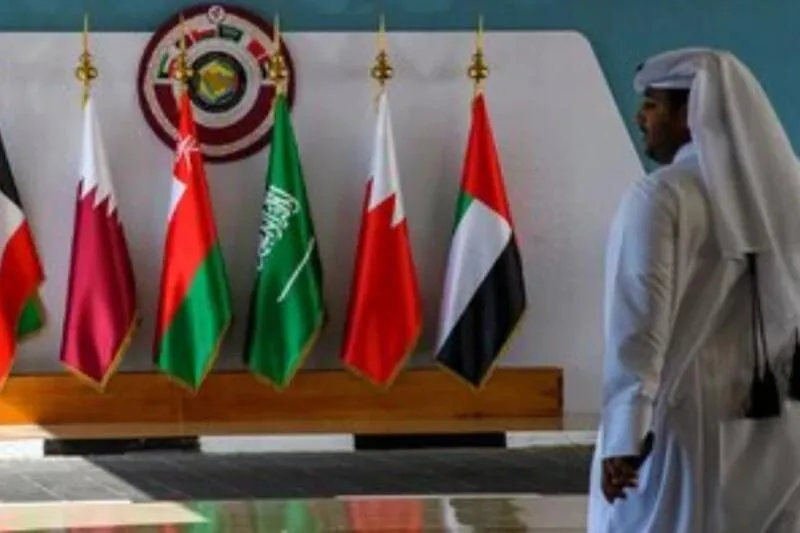
Abbas Araghchi, Iran's Foreign Minister, was scheduled to meet with his counterparts from Gulf Arab countries in Salalah, Oman, on Monday, September 14, 2026. This meeting, designed to discuss navigation arrangements in the Strait of Hormuz, suddenly faced serious challenges with Bahrain's announcement of non-participation and then Saudi Arabia's reluctance to attend the session.
Reasons for the Meeting's Cancellation
Badr al-Busaidi, Oman’s Foreign Minister, announced less than 24 hours before the meeting that it had been postponed for the "sake of consensus," without setting a new date. This decision clearly reflects the lack of agreement among Gulf Arab countries and Iran on key regional issues. Observers believe that the current conditions indicate escalating tensions and a lack of readiness to resolve crises in the region.
Read more: Donald Trump spoke about the situation in Iran and military decisions
Analysts pointed out that holding this meeting could have helped reopen the Strait of Hormuz to navigation and created an opportunity to rebuild relations between Iran and the Gulf Arab countries. However, security and political concerns, particularly regarding Iran's influence over the Strait of Hormuz, prevented it from taking place.
Regional Impacts of the Meeting's Cancellation
Previous agreements between Iran and Oman, based on a memorandum signed on June 17, 2026, allow Iran to take responsibility for managing and providing maritime services in the Strait of Hormuz. However, some Gulf Arab countries are concerned that this agreement could lead to the recognition of Iran's permanent influence over the Strait of Hormuz. These concerns have intensified, especially given that Ansar Allah controls the western shores of Yemen and has gained dominance over the Bab al-Mandab Strait.
Additionally, the timing of this meeting coincided with security events in the region and damage to Saudi Arabia's oil pipeline, impacting the decisions made. Saudi Arabia sought to prevent granting permanent control to Iran, which led countries to focus on multiple regional issues instead of concentrating on the Strait of Hormuz crisis.
Furthermore, the United States was also deeply concerned about holding this meeting and was trying to prevent outcomes that would benefit Iran. This reflects further challenges in the path of regional diplomacy and the need for new collaborations between Gulf Arab countries and Iran.
Ultimately, the postponement of this meeting is seen as a missed opportunity, but holding a session in the future could serve as a step towards improving relations and reducing tensions in the region. Given the current circumstances, the need for active diplomacy and efforts to create consensus among the countries in the region is felt more than ever.
Read more: Brad Cooper: One billion barrels of oil have passed through the Strait of Hormuz · Friendship agreements between Oman and Angola at a formal lunch