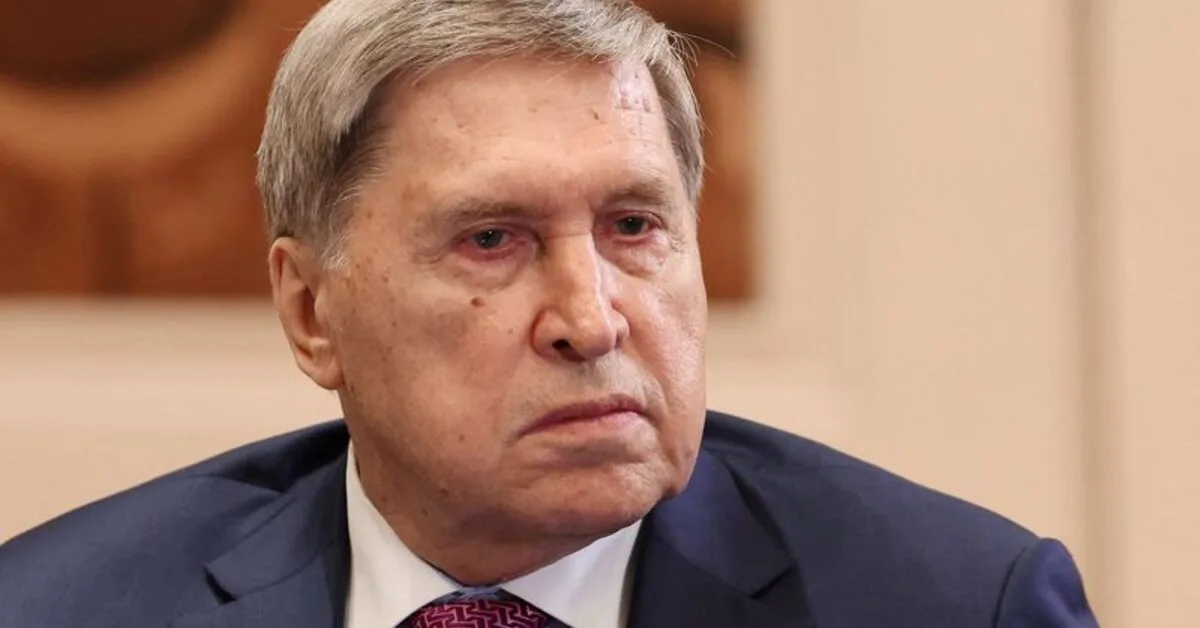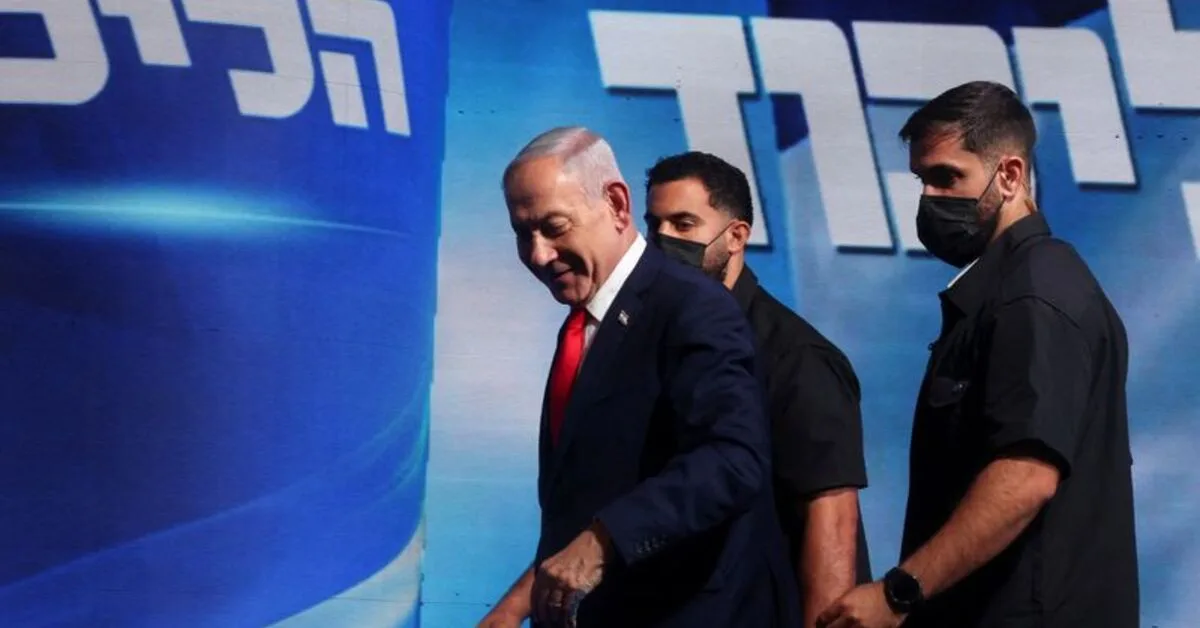
Benjamin Netanyahu, the Prime Minister of Israel, and Gadi Eisenkot, his political rival, claimed leadership of Israel after the elections on Tuesday. Netanyahu called for the formation of "a right-wing national government," while Eisenkot emphasized that the people voted negatively against Netanyahu and urged him to step back from politics. However, neither declared victory.
Election Results and Current Situation
While actual vote counts are being released, exit polls show the two political blocs in a tie at 51-51, while another channel reported Netanyahu's bloc with a lead of 52-49. Neither side has reached the 61 seats necessary for a majority in the 120-seat Knesset.
Read more: Israeli Elections; Hope and Concern Among the Parties
The current deadlock may work in Netanyahu's favor, allowing him to remain as interim Prime Minister during lengthy negotiations to form a coalition. Religious right-wing parties led by Itamar Ben-Gvir and Bezalel Smotrich are expected to secure 13 seats in Netanyahu's bloc, without any significant gains for them.
Eisenkot's Challenges and His Political Position
Eisenkot, the leader of the Yesh Atid party and former Chief of Staff of the Israel Defense Forces, has roughly rejected forming a government with Arab parties, complicating his path to power. He has urged Netanyahu to refrain from using Israel's security for political gains and stated that "Netanyahu is an interim Prime Minister, lacking the credibility and trust of the people."
Voter turnout has been reported at 77.7%, the highest in over two decades and about 7% higher than in 2022. Final election results are expected on Thursday or Friday, and Israel's fragmented political system presents small parties as potential kingmakers in coalition negotiations.
Yohanan Plessner, head of the Israel Democracy Institute, has deemed the polls a major setback for Netanyahu's coalition, but warned that Eisenkot has not emerged as a clear winner and changes may occur during the vote count.
If the poll predictions are correct, Netanyahu's right-wing nationalist coalition, which once held 68 seats, will significantly fall short of the 61 seats needed to govern, placing him in a difficult position.
Eisenkot, 66, who lost one of his sons and two nephews in the Gaza war, has emerged as Netanyahu's strongest rival while emphasizing security issues and presenting himself as a centrist figure.
Read more: Mahmoud Khalil: The Palestinian Movement is Changing America's Policies · Israel's Attack on Gaza Islamic University Leaves Three Dead