The Houthis launched a deadly missile attack on the presidential palace in Yemen's temporary capital, Aden, on Thursday. The attack damaged command centers located within the Al-Maashiq Palace complex, which is under the control of Yemen's government forces and the Saudi-led military coalition. A Yemeni minister, who requested anonymity, confirmed the news.
Escalation of Attacks and Reactions
Saudi Arabia and the Yemeni government, which is supported by the country, have recently been the target of ongoing Houthi attacks. These developments have drawn attention to a broader war that has intensified since the U.S. and Israel's attacks on Iran in February. Iranian-backed Houthis have seized large areas of Yemen's Red Sea coast in recent weeks, and Yemen's government's counteroffensive efforts, supported by Saudi airstrikes, have so far been unsuccessful.
Read more: Houthi Attacks on the Presidential Palace in Aden and the Saudi Coalition's Response
Yemen's Health Minister, Qassem Bouhaiba, announced that the attack resulted in the deaths of five individuals and injuries to 16 others who were protecting the site and civilian employees. Eyewitnesses in Aden reported hearing explosions and seeing smoke during the attack.
Reactions from Yemeni Officials
Shaya Al-Zandani, Yemen's Prime Minister, described the attack as a "cowardly act" and characterized it as a continuation of the Houthis' criminal pattern of targeting civilian locations. A government minister, who requested anonymity, stated that Al-Zandani was present at the site during the attack but was unharmed. The minister added that the Houthis attacked a command center of Yemen's government forces with three missiles and another center for Saudi coalition forces in the complex with two additional missiles.
Houthi-affiliated media reported that they targeted a "military operations headquarters led by Saudi officers" at the Al-Maashiq Palace, as well as their weapon depots. The Yemeni civil war, which began in 2015 with Saudi leadership supporting the Yemeni government, has reignited following the end of a years-long ceasefire.
Regional and International Impacts
On Thursday, Saudi Arabia accused Iran of encouraging this escalation of tensions, stating that the country continues to arm and train the Houthis. Dr. Riyad Karmali, Saudi Arabia's Deputy Minister of Public Diplomacy, announced that Riyadh is still in contact with Iran, but Tehran does not seem ready to make concessions. He added: "We believe that the Houthis' escalation of tensions at this stage of the conflict is being encouraged by Iran."
The Saudi-led coalition announced that Houthi drones fired toward southern Saudi Arabia and the city of Khamis Mushait have been intercepted. Additionally, Yemen's government forces reported that the Houthis have fired "several ballistic missiles" toward the central city of Marib, which is in an oil-rich area.
In 2023, regional rivals Iran and Saudi Arabia signed an agreement aimed at improving relations, but the latest violence may threaten this agreement. A Saudi Foreign Ministry official also pointed to the Houthis' unwillingness to meet while hostilities between the two sides have escalated, saying: "At the beginning of this escalation, we asked them to meet in Muscat, Oman, but they refused."
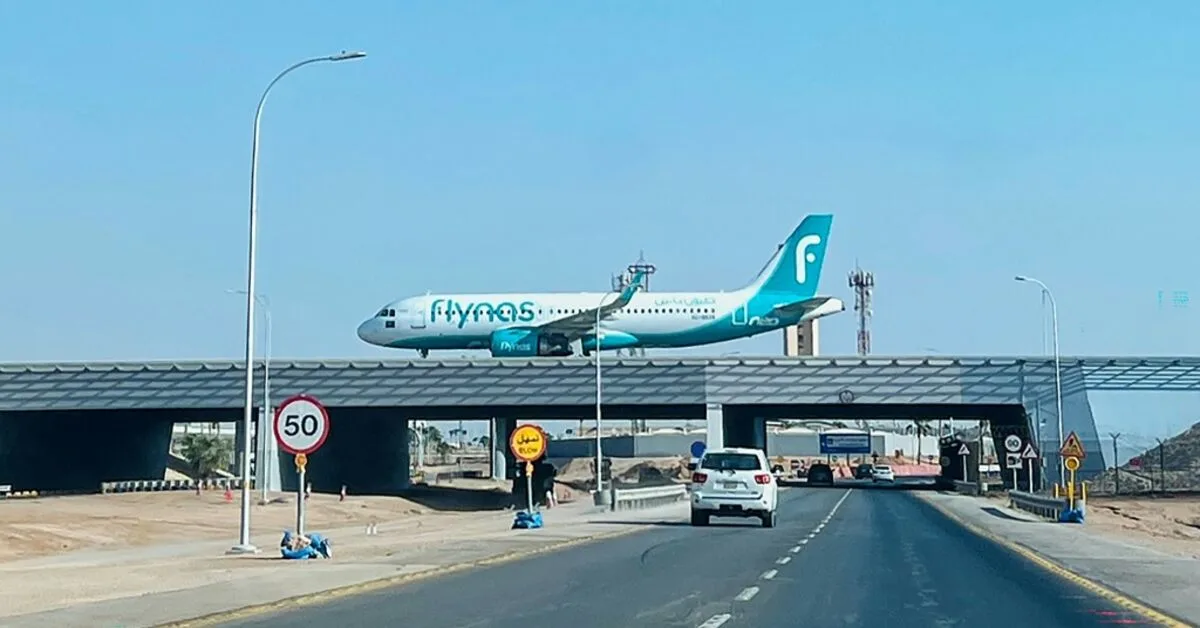
Last Saturday, Saudi Arabia experienced its deadliest attack in over a decade, where an attack on Riyadh's international airport left 13 dead and around 300 injured. The anti-Houthi coalition stated that the group has attacked Riyadh airport 20 times this month.
Read more: South Korea Begins Review of Military Operations Expansion in the Middle East · Iran and Oman Foreign Ministers Discuss Regional Developments and Yemen