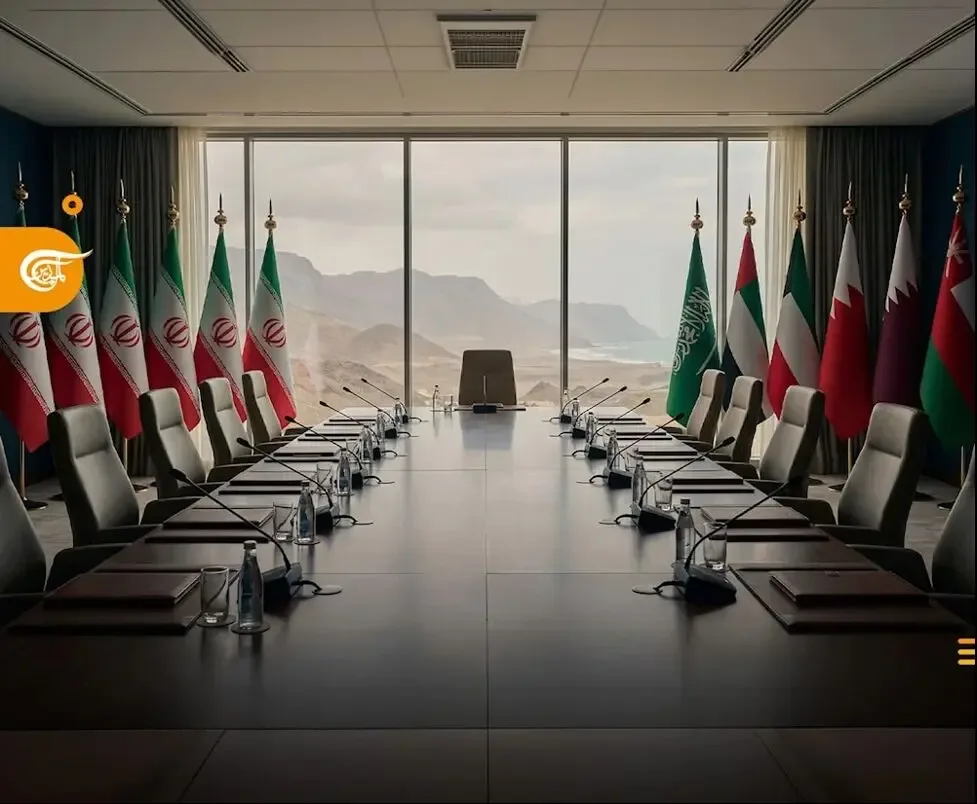
The Salalah meeting, which was to include Abbas Araghchi, Iran's Deputy Foreign Minister, and the foreign ministers of Arab countries, has been postponed due to political and security obstacles. This meeting, which was scheduled for Monday, September 14, 2026 (23 Shahrivar 1405), was primarily focused on maritime arrangements in the Strait of Hormuz. Despite the invitation extended to the Iraqi Foreign Minister, Tehran's relations with some Arab countries are currently highly strained.
Reason for the Delay of the Salalah Meeting
Less than 48 hours after the announcement of the meeting, Bahrain declared that it did not wish to participate in these discussions. This action sparked a wave of speculation regarding Saudi Arabia's reluctance to continue these negotiations. Ultimately, Oman's Foreign Minister, Badr al-Busaidi, announced the postponement of the Salalah meeting with the aim of "preserving agreement and consensus."
Read more: Incident of Rockfall on the Road of Sultan Turki bin Said in Iberia
Analysts believe that the existing obstacles to a sustainable reopening of the Strait of Hormuz without achieving a bilateral agreement between Tehran and Muscat and coordination with Washington and Arab countries indicate a lack of necessary foundations for reducing tensions in the region. These events quickly signify a new phase of intensified friction in the Middle East.
Key Factors Behind the Meeting's Failure
Investigations reveal that three key factors prevented the Salalah meeting from taking place. First, the content of the agreement between Tehran and Muscat related to the design of temporary arrangements for security and management of shipping in the Strait of Hormuz. Concerns from some Arab countries that this agreement could lead to the permanent recognition of Tehran's role in this strategic passage was one of the main obstacles.
The second factor was the inadequacy in addressing the internal opinions of the Gulf Cooperation Council in establishing favorable relations with Tehran. This situation led some countries to believe that achieving a common roadmap with Tehran was not feasible. The third factor was security incidents coinciding with the date of the meeting, which included the control of Ansar Allah forces over parts of Yemen's western coast and security threats against oil pipelines in Saudi Arabia.
Given these circumstances, any negotiations are expected to be delayed until after the electoral campaigns in the fall. Especially since Washington also showed reluctance to form this meeting due to concerns about its outcomes.
Necessity of Joint Negotiations
Now more than ever, the necessity for joint negotiations at the level of foreign ministers of Iran, Iraq, and Arab countries is felt. This meeting is not limited to maritime issues but could serve as a starting point for shaping balanced and realistic relations.
The relations between Iran and its Arab neighbors have undergone profound changes, as indicated by past developments. In this context, the challenges and security threats on both sides of the Persian Gulf are significantly interdependent. Focusing on priorities and relying on diplomacy is considered the only practical and feasible solution, and the revival of the Salalah meeting idea could remain one of the most important items on the agenda.
Read more: Trump's Meeting with Arab Leaders Regarding Iran · Donald Trump Discussed the Situation in Iran and Military Decisions