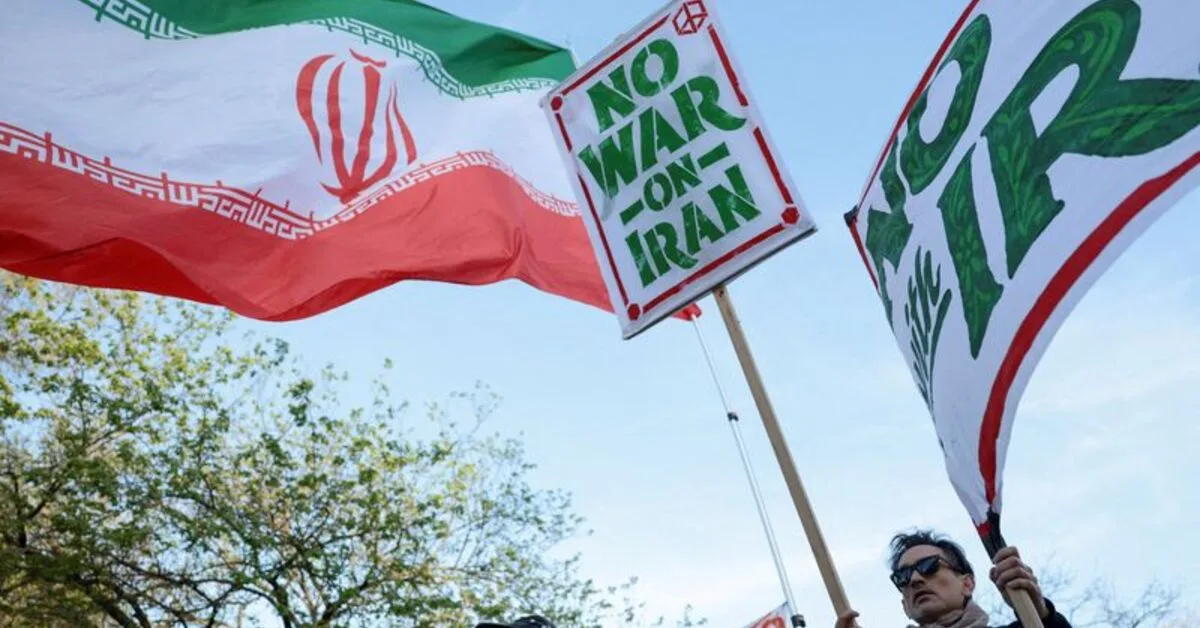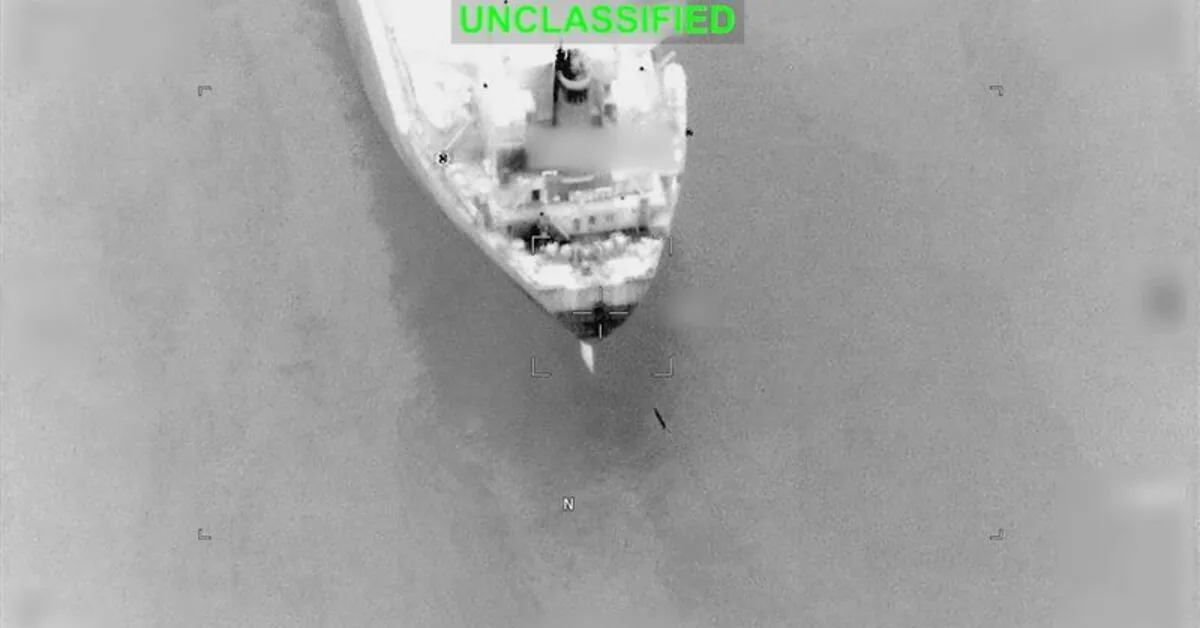
Diplomatic efforts among intermediary countries to end the existing tensions between the United States and Iran have intensified. This comes as the United States continues to carry out limited military strikes against Iranian targets.
Limited U.S. Strikes on Iran
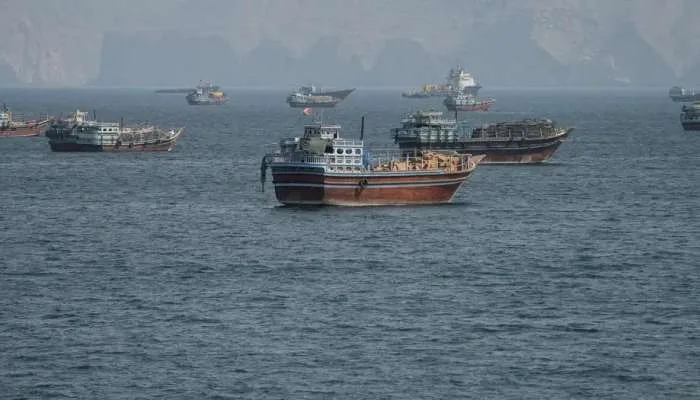
The United States government, led by President Donald Trump, has announced that U.S. military forces have recently conducted limited strikes on Iran's air defense systems. Iranian state media have also reported hearing two explosions in the Souza area on Qeshm Island. The Tasnim news agency has reported that initial information indicates two missiles struck this island, although official details regarding the extent of potential damages are not yet available.
Read more: Iran and the U.S. Continue Talks to End the War
Concerns Over Larger Military Operations
These developments have raised concerns about the possibility of a larger military operation by the United States against Iran. Iran has repeatedly warned that it will respond in kind if the attacks continue. Since September, Iran has proposed a seven-day plan to lift the blockade on its ports and free its frozen assets, which has not yet been accepted by Washington.
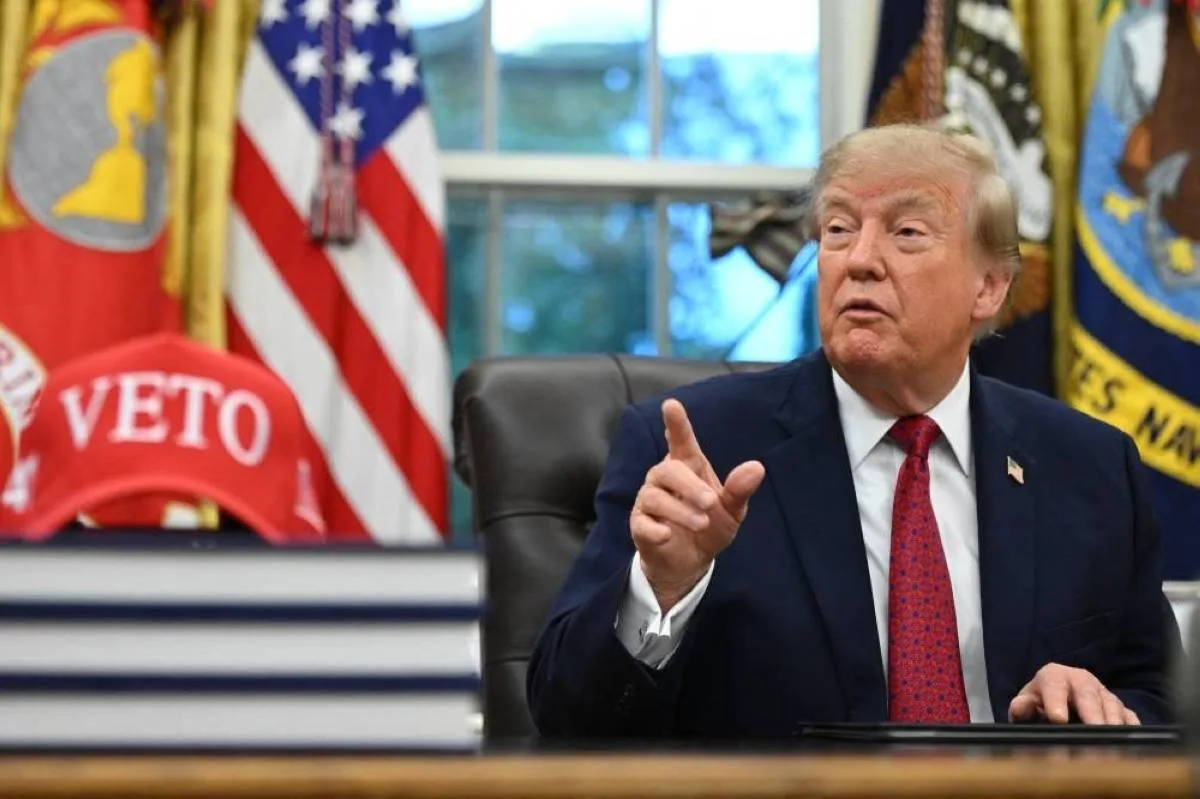
The U.S. government claims to have made significant progress in addressing the threats from Iran and that oil production in the country is higher than before the tensions began. Trump has stated, "We have made a lot of progress with Iran. We are now extracting more oil than before the war. This is not a war. It cannot be a war when no one has been harmed or killed for five months."
These claims come amid ambiguities regarding the nature of U.S. military operations against Iran. Trump has also emphasized that regional stability is entirely dependent on his administration's past interventions to prevent Iran's nuclear development.
In a statement published through his social media platform, Trump stressed that his personal intervention against Iran's nuclear ambitions is widely recognized but has been deliberately ignored. He also stated, "If I hadn't stopped Iran from obtaining nuclear weapons, Israel and indeed the entire Middle East would not exist today."
While Trump describes military operations against Iran's nuclear infrastructure as a major victory, a complete assessment of the damages inflicted on Tehran's nuclear program remains unclear. A report from the Congressional Research Service published in October indicates that the exact impact of the operations on domestic weapons production capacity is still uncertain. Meanwhile, Iranian officials have consistently denied allegations regarding the development of nuclear weapons, emphasizing that their nuclear program is solely for civilian purposes.
Read more: Iran Awaits U.S. Response on the Hormuz Strait Plan Amid Qatari Mediation · U.S. Treasury Imposes Sanctions on Canadian Financial Services Companies for Ties to Iran