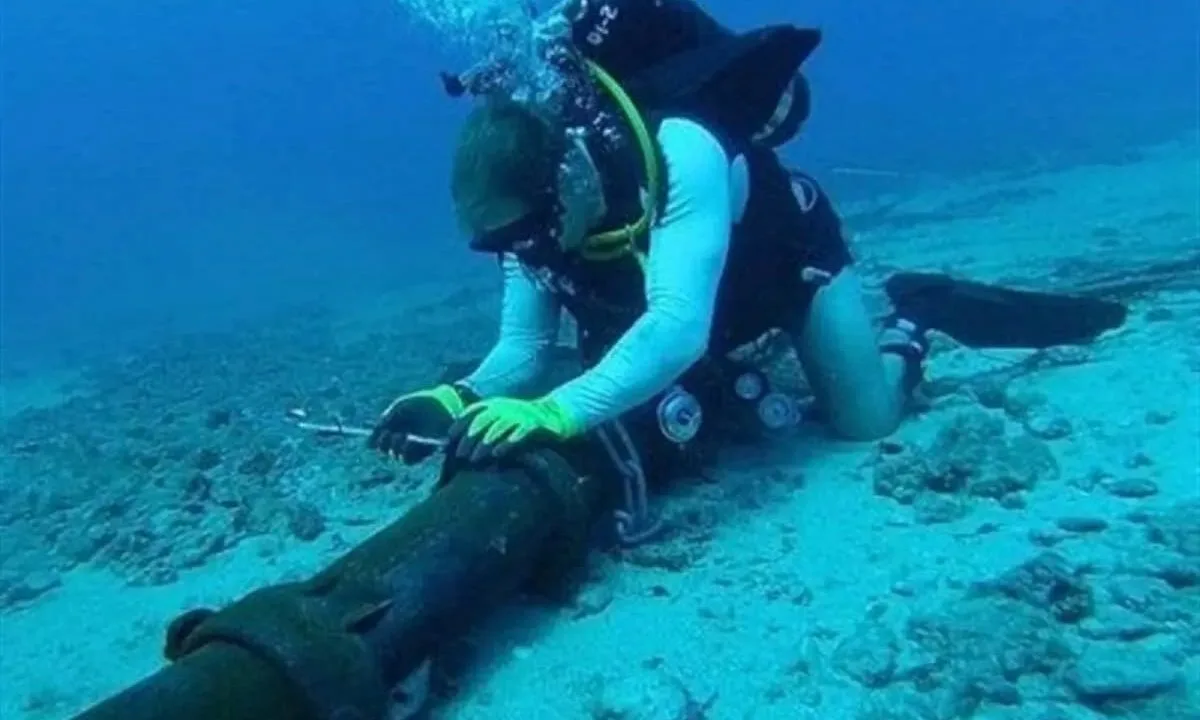
The widespread cutting of submarine fiber optic cables in the Strait of Hormuz could seriously disrupt internet communications in Bahrain and Qatar. These two countries rely on these cables for a significant portion of their international internet connectivity. Therefore, damage to these cables could have extensive repercussions for various economic and social services in these countries.
The Importance of the Strait of Hormuz and Submarine Cables
The Strait of Hormuz is not only recognized as a strategic route for oil transportation but is also considered one of the important communication pathways in the Persian Gulf region. Submarine fiber optic cables establish the connection of the Gulf countries with the global internet network. According to data, approximately 99% of Qatar's international internet connectivity and 95% of Bahrain's connectivity depend on these cables. While there are land routes and traffic transfer from alternative pathways, the capacity of these routes may not fully compensate for the disruption.
Read more: Analysis of the Recent Incident in the Persian Gulf and Its Impact on the Sultanate of Oman
New Projects and Upcoming Challenges
Bahrain is participating in projects like the SEA-ME-WE 6 cable and the regional "Gulf" cable to diversify its communication routes. Meanwhile, Qatar is pursuing the Fibre in the Gulf submarine cable project, which is expected to be operational by late 2027. However, part of the communication infrastructure in these countries still relies on existing submarine cables.
Additionally, Starlink satellite internet is being considered as an option to compensate for disruptions in land networks. However, this technology, despite its application in emergencies, does not have sufficient capacity to fully replace the fiber optic cable network. The difference in data transfer capacity between satellite networks and submarine cables limits the use of Starlink to compensate for all traffic from banks, data centers, and large businesses.
Ultimately, extensive damage to submarine cables could severely disrupt internet access and economic activities in Bahrain and Qatar. The extent of the disruption caused by this situation will depend on the magnitude of the damage, the capacity of alternative routes, and the duration of cable repairs.
Read more: Consultation of Seyed Abbas Araghchi with Seyed Badr Al-Busaidi Regarding Developments in Yemen · Felix Sanchez, Former Coach of Qatar, Became the Coach of Bahrain