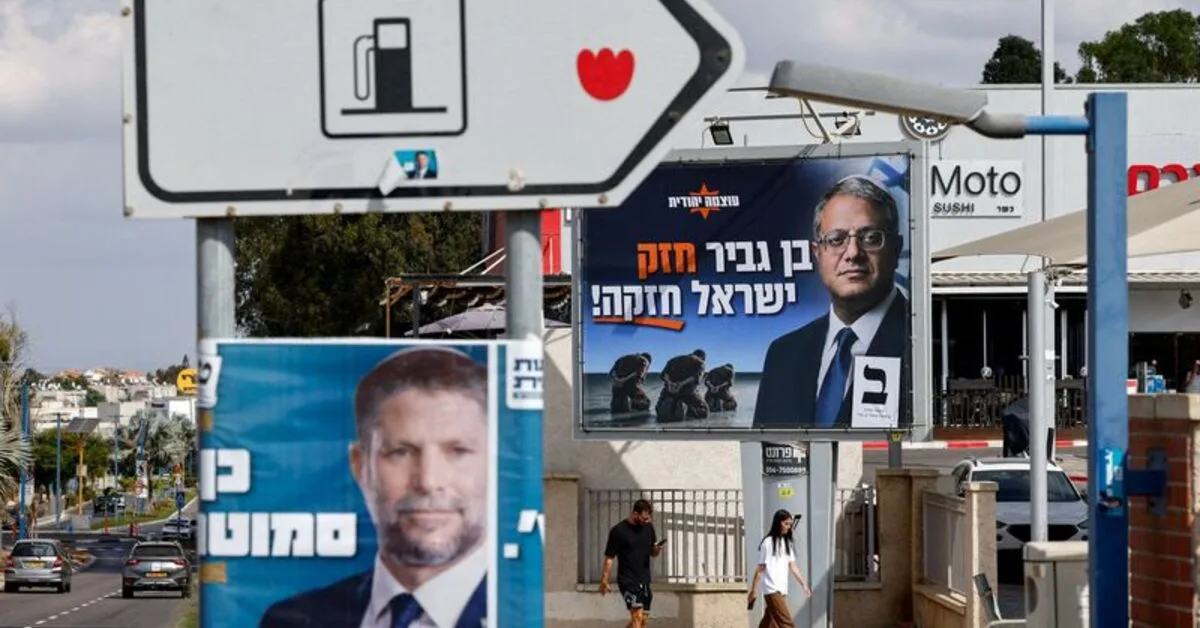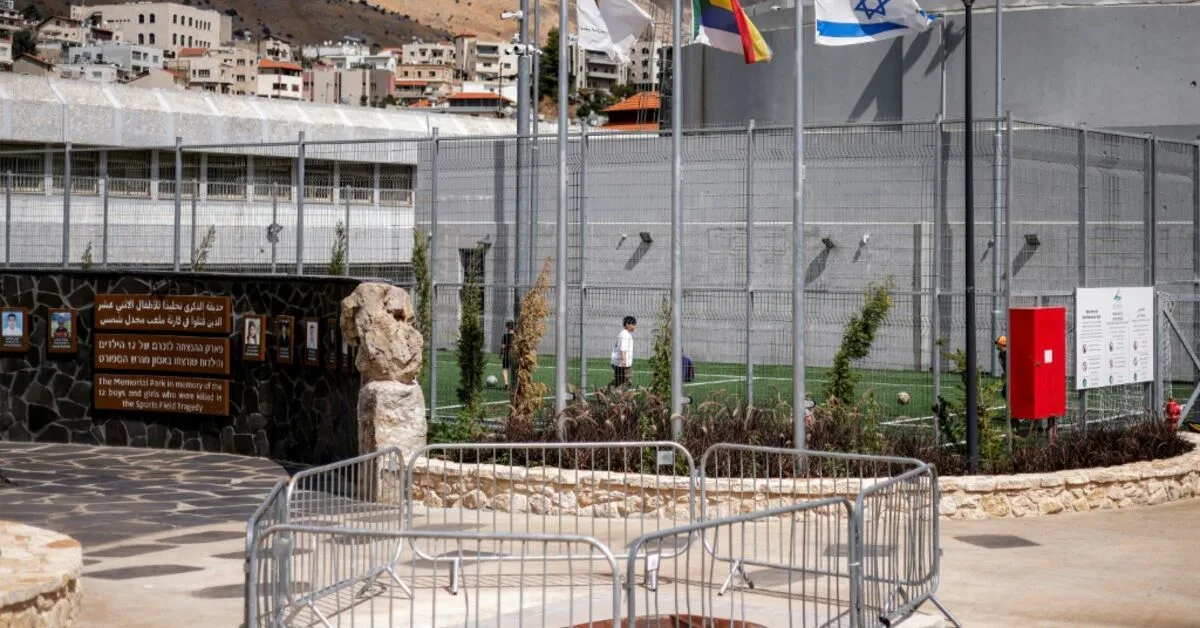
The Druze of the Golan Heights, with a population of 26,000, have historically resisted overt displays of loyalty to Israel. However, as the national elections in Israel approach next week, Fadi Damaqsi from the town of Ein Qinya in the Golan Heights will proudly cast his vote. He said: "Voting is essential for all Israeli citizens; it is a right, but it is also considered an honor."
History of Druze Relations with Israel
The Golan Heights, which was captured by Israel in 1967 and annexed in 1981, has historically witnessed dissatisfaction among the Druze regarding Israeli actions. Reports indicated that those who accepted Israeli citizenship faced social ostracism in the region. However, following Israeli military actions in Syria in 2025, attitudes began to shift. Benjamin Netanyahu, the Prime Minister of Israel, justified the attacks as a measure to protect the Druze of Syria.
Read more: Development of Defense and Energy Cooperation between Canada and Turkey during the Karni Visit
Currently, about 45% of the Druze in the Golan Heights hold Israeli citizenship, whereas this figure was only 2% 40 years ago. Statistics from the Ministry of Interior show that in the town of Majdal Shams, citizenship applications reached 3,750 in 2025, a significant increase from 570 applications the previous year.
Impact of Military Interventions on Druze Attitudes
Some Druze attribute these changes to Israel's intervention in the Syrian province of Suwayda. In this province, sectarian conflicts and bloody violence occurred. Israel intervened militarily to prevent a potential massacre of the Druze. This intervention received mixed reactions from analysts, with some viewing it as a strategic effort to weaken Syrian military infrastructure.
Wahil Maghrabi, the mayor of Ein Qinya, said: "Israel acted when the whole world was watching." He added that these attacks have led to "major changes in loyalty and sense of belonging" among the Druze of the Golan Heights. Maghrabi will be the first candidate from the Golan Heights to participate in the Israeli legislative elections.
In early October, he opened a new school in Ein Qinya named after Colonel Jamal Abbas, a Druze soldier who died in Gaza in 2024. This school represents a significant change in attitudes towards Israel.
Despite these changes, some young people still express doubts about their loyalties. In a barbershop, a group of youths discussed their loyalties, and one of them expressed that he still distances himself from Israel. However, it seems that these views are declining, and polling stations have been set up in the heart of Golan cities, whereas previously, Druze had to travel to Jewish areas to vote.
Analysts believe that these changes are also generationally observable, with 91% of Golan Heights residents born after its capture by Israel no longer expecting a return of the Heights to Syria.
Read more: Examining the Role and Responsibilities of the Relief and Shelter Sector in Bashar, Oman · Israel and Qatar: Cooperation in Providing Humanitarian Aid to Gaza