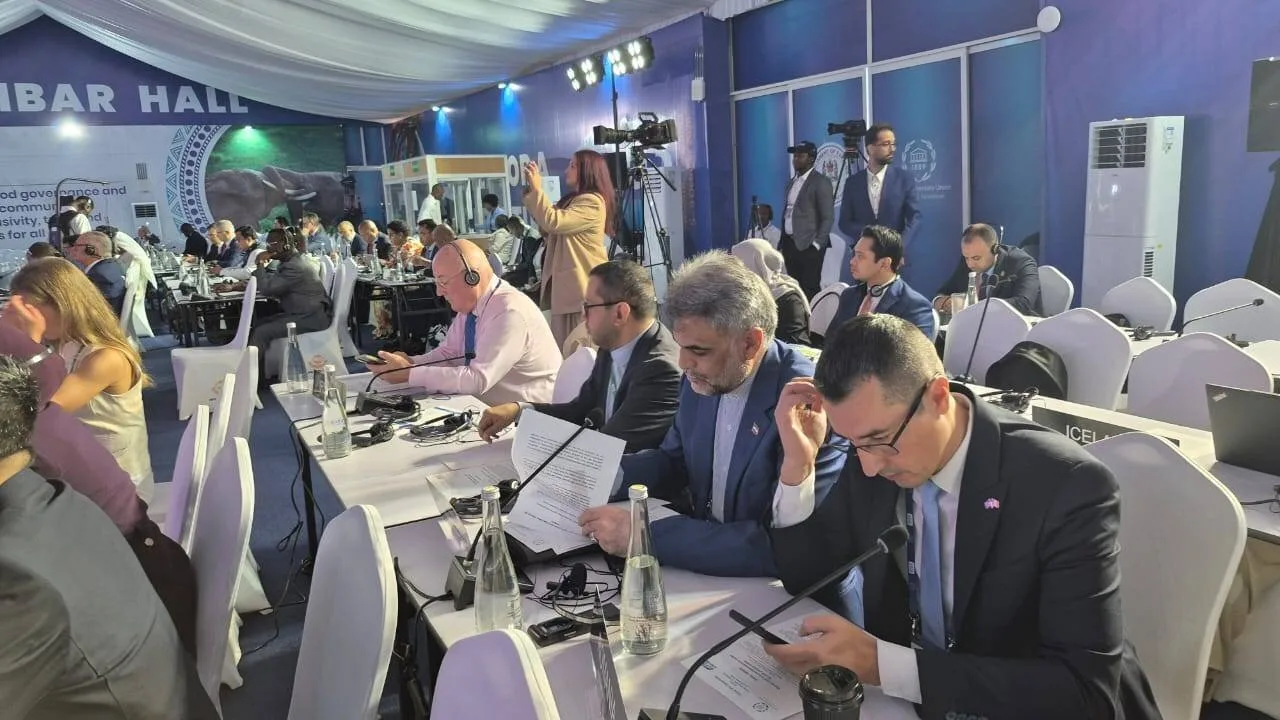
Fathollah Tosuli, a member of the Iranian parliamentary delegation, emphasized the need to strengthen cooperation among coastal countries at the meeting of the Peace and International Security Committee of the 153rd Assembly of the Inter-Parliamentary Union (IPU) held in Arusha, Tanzania. He said: "Sustainable maritime security is achieved when it is based on mutual trust, respect for the sovereignty of states, and attention to the interests and security of neighboring countries."
Need for Regional Cooperation
Tosuli, appreciating the hosting by the United Republic of Tanzania and the Inter-Parliamentary Union for providing an opportunity for dialogue among representatives of nations, referred to the positive impact of seas on economic development, cultural exchange, and the flourishing of civilizations. He added: "Today, the security and stability of international waterways play a fundamental role in global trade and energy security, but maritime security goes beyond military presence in the seas."
Read more: Tehran and Energy Threats in the Persian Gulf
He also emphasized that an increased military presence and arms competition in sensitive maritime areas do not necessarily lead to greater security. According to Tosuli, the presence of powers outside the region can lead to instability and exacerbate geopolitical tensions.
The Role of the Strait of Hormuz in Maritime Security
Tosuli, referring to the situation in the Persian Gulf and the presence of foreign powers in the region, stated: "This presence not only does not contribute to the security and stability of the countries in the region, but it also increases tension and insecurity." He emphasized the importance of the Strait of Hormuz and said: "The Strait of Hormuz is an inseparable part of the geography of the region and the national and civilizational identity of Iran, and its future must be determined with consideration of the rights and responsibilities of coastal countries."
This parliamentary representative emphasized that the legitimate interests of the international community in enjoying safe shipping and sovereign rights do not conflict with each other, and the Islamic Republic of Iran does not see freedom of navigation and sovereignty as two conflicting principles.
Tosuli also stressed the necessity of dialogue, confidence-building, and indigenous security mechanisms to ensure sustainable security in the region. He noted: "Maritime security is not limited to the protection of ships, but must also include the protection of ports and critical infrastructure."
This member of the Iranian parliamentary delegation referred to the impact of military crises on maritime security and said: "The Strait of Hormuz was completely open and free passage was flowing before the military attacks on the Islamic Republic of Iran, but after these attacks, the situation of passage changed."
Tosuli, emphasizing the shared responsibility of governments in ensuring maritime security, added: "No country should turn its territory into a factor for creating insecurity. Good neighborliness and cooperation among coastal countries are essential elements for creating a secure environment in maritime areas."
He concluded by stating: "The Islamic Republic of Iran is ready to cooperate with all responsible and relevant countries to ensure shipping security and create a safe and stable environment in the Persian Gulf, with respect for the rights and interests of coastal countries."
Read more: The Trial of Over 60 Shia Scholars in Bahrain Begins · Continued LNG Exports from Qatar through the Strait of Hormuz Despite Security Concerns