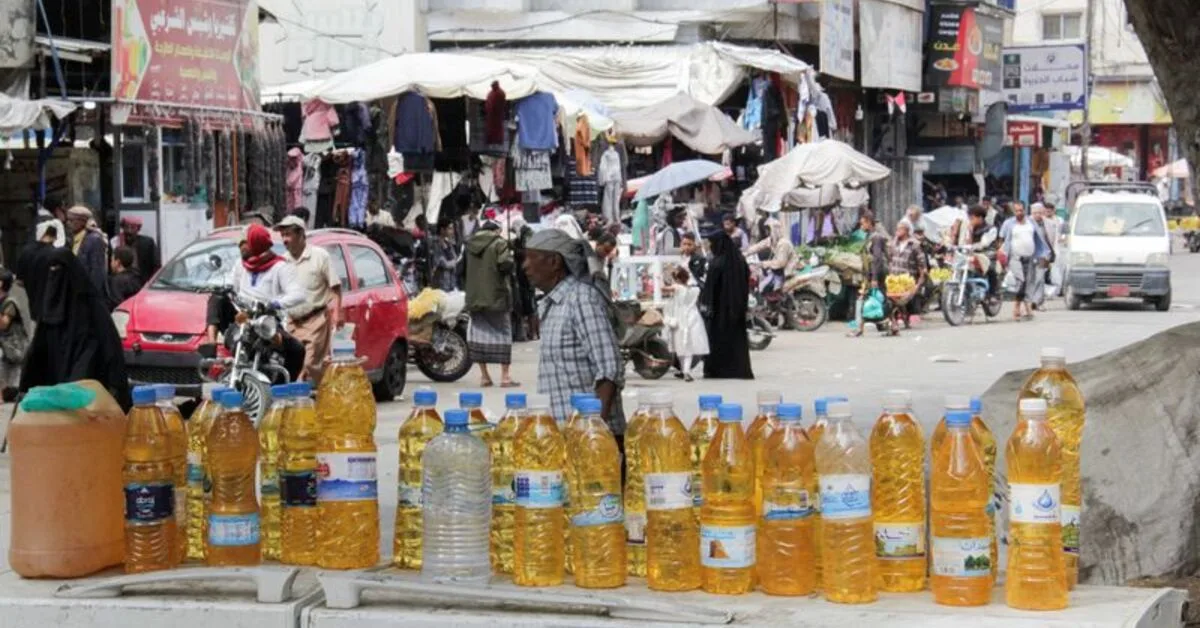
The fuel shortage in the besieged city of Taiz, Yemen, has led to a reduction in the number of usable incubators in one hospital from 40 to 10, putting the lives of newborns at risk. This shortage, due to weeks of conflict that have cut off vital supplies, has fueled the expanding humanitarian crisis in the area.
Consequences of Fuel Shortage for Hospitals
Neda Ahmad, a nurse in the neonatal unit at the Yemeni-Swedish Hospital for Maternity and Children, said: "There is no oxygen or fuel to operate the incubators to keep the newborns warm." Nawal Naji, the neonatal unit supervisor, warned that if fuel supply does not improve, the center may be forced to cease operations. She described such a situation as a disaster for newborns, leading to death and disability.
Read more: Launch of Free Mammography Screening Campaign in Oman by Asha Enterprise
The city of Taiz has been largely isolated since October 3, with conflicts preventing humanitarian aid from entering and civilians from leaving. This situation has arisen following intensified clashes between the Saudi-backed government and the Iran-aligned Houthi movement. Key supply routes, including the Taiz-Adan corridor, have been blocked by Houthi forces, exacerbating shortages of water, food, and fuel. The city is home to nearly half of the 250,000 displaced individuals who have been rendered homeless due to recent conflicts.
Dire Health and Medical Situation in Taiz
According to World Health Organization spokesperson Christian Lindmeier, 42 health centers in the city of Taiz are suffering from severe shortages of fuel, oxygen, medicine, and medical supplies. The price of fuel has risen to 2,000 Yemeni rials per liter. Fatima Jafar Shoutah, Oxfam Yemen's Director of Policy, Communications, and Media, referred to the situation of a dialysis patient who has been forced to spend two nights in a treatment center due to rising costs.
She also emphasized that "the fuel shortage within the city has devastating impacts on people's lives." The pressure from the fuel shortage is not limited to Taiz. The humanitarian organization Doctors Without Borders announced that the fuel shortage has caused power outages in hospitals and primary health centers in the southern provinces of Aden and Lahij, affecting operating rooms and intensive care units.
Global organizations and humanitarian groups have also warned that hunger and malnutrition are worsening. The World Food Programme has stated that over 800,000 people in Taiz and surrounding areas have been deprived of food assistance. Ricardo Pires, a UNICEF spokesperson, said that of the 168,000 children screened in Taiz, 52,000 are acutely malnourished.
Despite UNICEF providing nearly 8,000 life-saving therapeutic food boxes, the agency warned that increasing insecurity and movement restrictions could disrupt future deliveries and prevent families from accessing treatment centers. Doctors Without Borders also reported that rising homelessness is exacerbating child malnutrition in southern Yemen, where families are fleeing conflicts in the north and western coast.
Between September 15 and October 22, Doctors Without Borders screened 299 children under five in their mobile clinics in Aden and Lahij. 44 children, equivalent to 14.7%, were suffering from moderate acute malnutrition, and 28 children, equivalent to 9.4%, were severely malnourished and in need of hospital care.
Sara Ghneim, the director of mobile health activities for Doctors Without Borders, said: "Wherever we go, we see at least one or two children daily who are severely acutely malnourished."
Read more: Launch of Tricuspid Valve Replacement Program at Aden Kuwait Hospital · Houthis in Yemen Deny Claims of Attack on Medina in Saudi Arabia