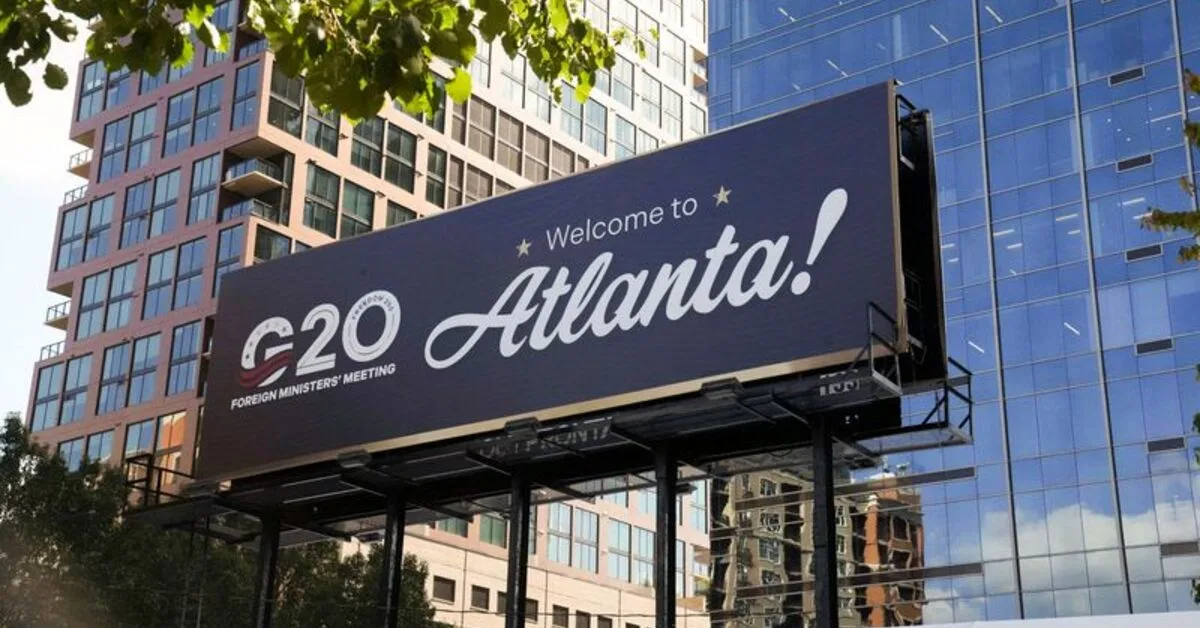
The meeting of foreign ministers from 20 of the world's largest economies in Atlanta, from October 30 to 31, faces deep challenges arising from the wars in Ukraine and the Middle East, which may result in a lack of unified outcomes from this summit.
Focus on Trade Imbalances
The United States, which holds the rotating presidency of the G20 this year, has sought to draw its allies' attention to trade imbalances while also forming a coalition to counter China's control over critical minerals. However, the wars and their economic impacts remain the primary concern for many G20 members.
Read more: King Charles in Guyana Amid Calls for Apology for Slavery
Tensions and Exclusion of South Africa
The U.S. has not invited the foreign minister of South Africa, while Sergey Lavrov, the foreign minister of Russia, is present at the meeting, adding to the tensions. Even the traditional family photo of the G20 has caused problems, with some European officials suggesting that two separate photos be taken—one with Lavrov and another without him.
Given the strategic rivalry between the United States and China, G20 members including Russia, China, and middle powers like Brazil and India are trying to manage this competition. Heidi Crebo-Rediker, a former U.S. State Department economist, pointed out that this time we are facing more divisions than in the past.
Emphasis on Supply Chain and Energy Challenges
A U.S. State Department official stated that this meeting will focus on energy and supply chain challenges, which are considered critical for the development of artificial intelligence. The official also mentioned that the four G20 ministerial meetings held this year have reached some agreements, but further progress is needed before the summit in Miami from December 14 to 16.
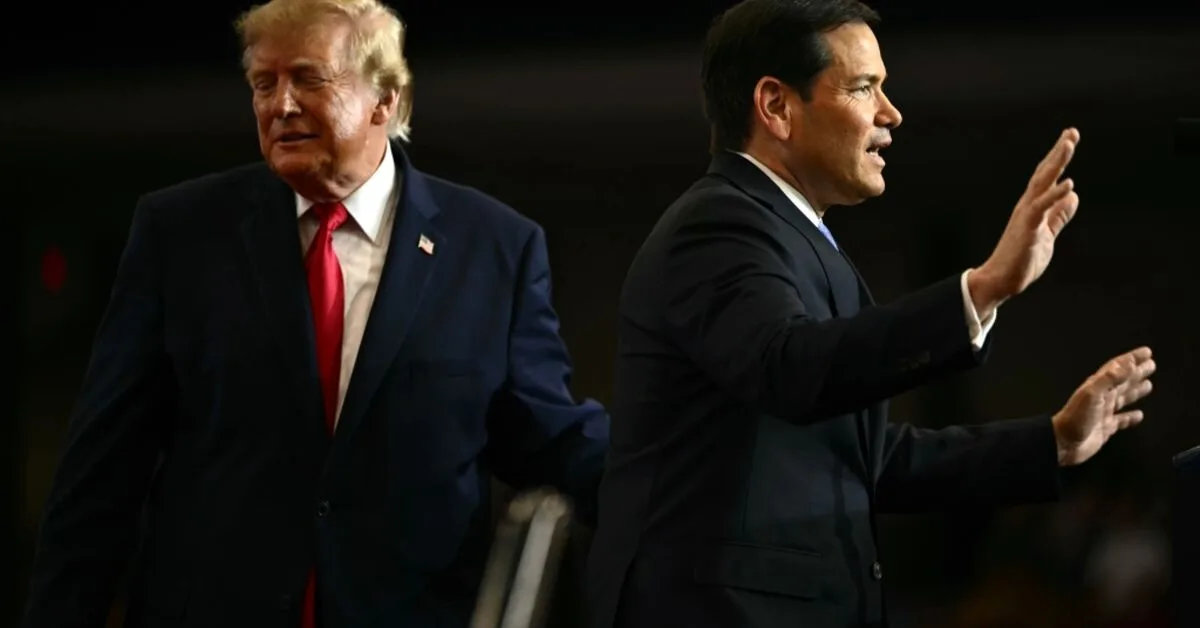
Marco Rubio, the U.S. Secretary of State, who is hosting this gathering, introduced the Pax Silica initiative as an effort to unite G20 countries concerned about China's dominance over rare elements and other critical minerals.
However, experts say that any movement in this area is likely to occur after this meeting. Statements made collectively and informally may provide a way forward. Elin Dezensky, head of the Economic and Financial Power Center at the Foundation for Defense of Democracies, emphasized that this meeting is taking place in an environment of deeper disagreements regarding the global economic order.
Read more: Senior Pentagon Strategist Fired for Leaking Information in War with Iran · China Sends a Representative to the Middle East