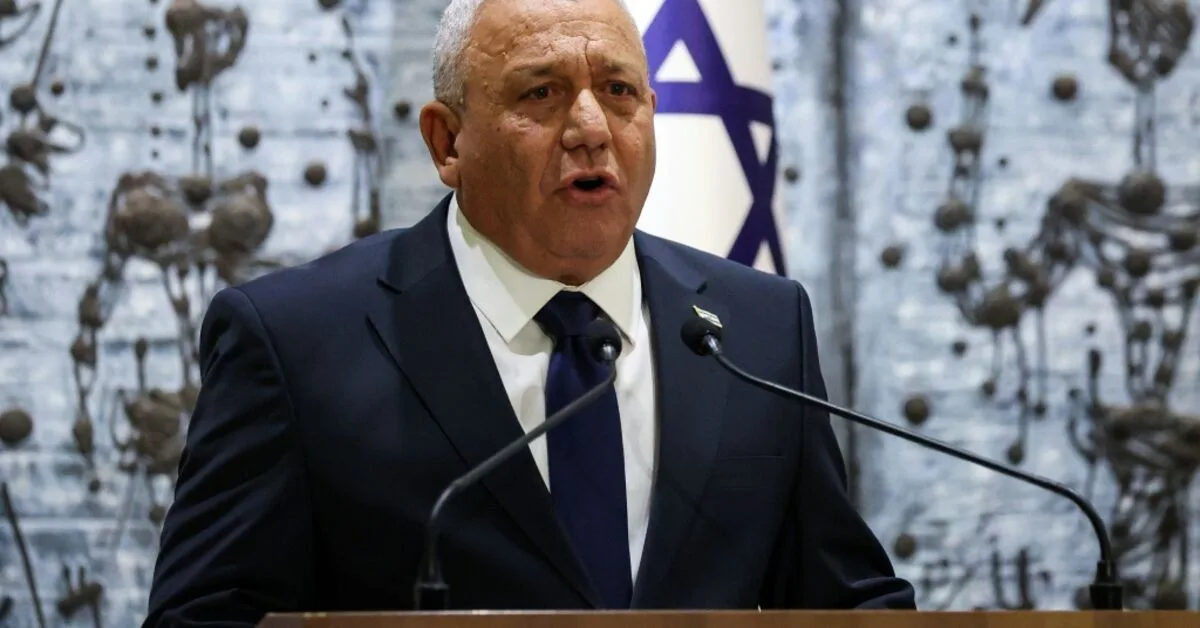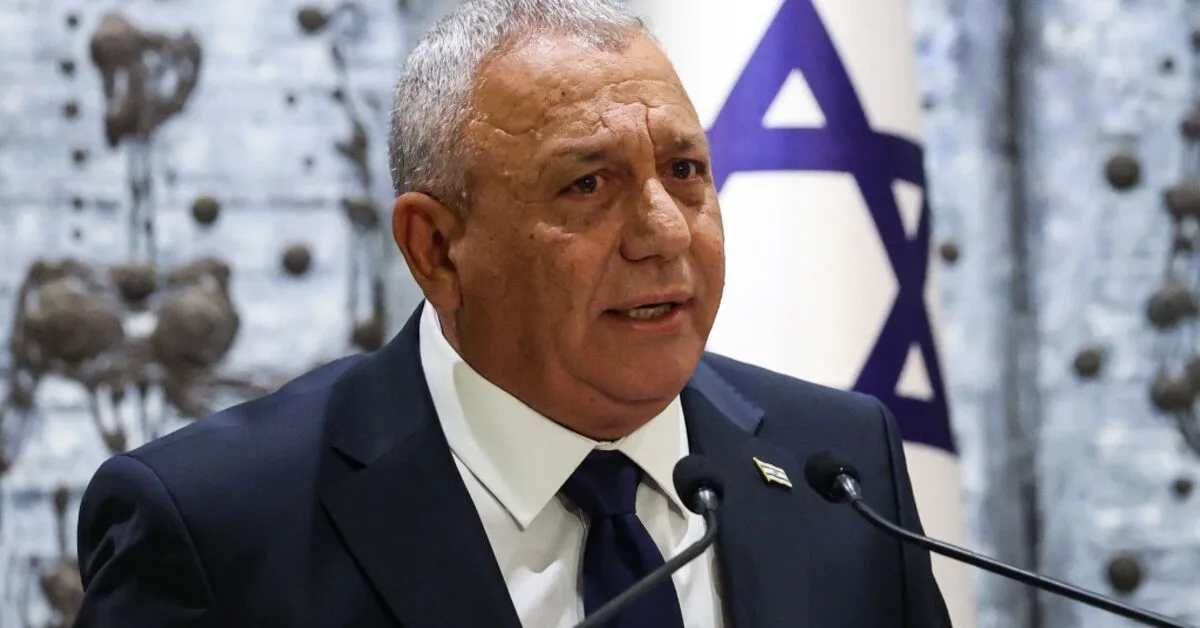
Gadi Eisenkot, the former Chief of Staff of the Israel Defense Forces, is in a sensitive position with only a few weeks to form a new government, while he has not managed to gain a decisive majority in the new parliament. Eisenkot has been tasked by Isaac Herzog, the President of Israel, to seek the necessary votes to form a government, with a time limit of 28 days set for this task. If necessary, Herzog can extend this period by another 14 days.
National Emergency Government Plan and Available Options
Eisenkot is calling for the formation of a "national emergency government" in an effort to oust Benjamin Netanyahu, whom he views as a threat to democracy. One of the available options for Eisenkot is to garner support from Israeli Arabs, who had high participation in the elections on October 27 due to dissatisfaction with the racist policies and marginalization of Netanyahu's right-wing government. The Arab majority parties, having secured 19 seats, can assist Eisenkot in achieving the majority of 61 votes, while the main opposition bloc has 48 seats and Netanyahu's bloc holds 53 seats.
Read more: Massacre in Krakow: Armed Man Shoots Six People
Challenges Facing a Minority Government
However, any minority government may face serious challenges, as Israeli Arabs, descendants of Palestinians who remained after the establishment of Israel in 1948, could bring down Eisenkot's government due to political disagreements. Netanyahu has consistently attacked the possibility that an opposition government supported by Israeli Arabs poses a threat to Israel's Jewish identity, accusing them of electoral fraud. These accusations have caused significant discontent among other Israelis, especially at a time when reservists have repeatedly engaged in military missions in Gaza, Lebanon, and Iran.
However, Avigdor Lieberman, who has recently criticized the Jewish identity of his supporters, has opened the door to cooperation with the Haredi community as a way to oust Netanyahu. The two Haredi parties, Shas and United Torah Judaism, which have supported Netanyahu, could use their 13 seats to assist Eisenkot, provided they are promised that a law guaranteeing exemption from military service will be passed.
Yair Golan, the leftmost leader of the opposition bloc, jokingly remarked that if Lieberman is unwilling to cooperate with Israeli Arabs or reverse Netanyahu's controversial judicial reforms, he should form his government with Netanyahu.
The Political Future of Eisenkot and Netanyahu
Both Eisenkot and Netanyahu have referred to the proposal for a national unity government, but each emphasizes that they should be at the helm. Eisenkot has publicly stated that Netanyahu is dangerous and incapable of leading Israel, citing his failure to prevent the Hamas attack on October 7, 2023, deep social divisions, and corruption allegations that could land Netanyahu in prison.
Netanyahu has also shown no interest in serving under Eisenkot, and if he does not continue his presidency, he will lose his immunity. However, if Eisenkot cannot find another option, forming a national unity government could be a way to avoid new elections, which some observers believe would not yield a better result for the opposition. Herzog has also indicated that he welcomes the formation of a unity government to reduce the political polarization in the country. Israel held five elections between 2019 and 2022 due to repeated deadlocks until Netanyahu formed a government with the right-wingers.
In 2020, Netanyahu formed a national unity government with Benny Gantz, another former military chief, but this agreement quickly collapsed, leading the country to new elections, and Gantz has since become a marginal political figure.
Read more: New Zealand Faces Upcoming Elections Without a Clear Winner · President of Israel Appoints Gadi Eisenkot to Form a Government