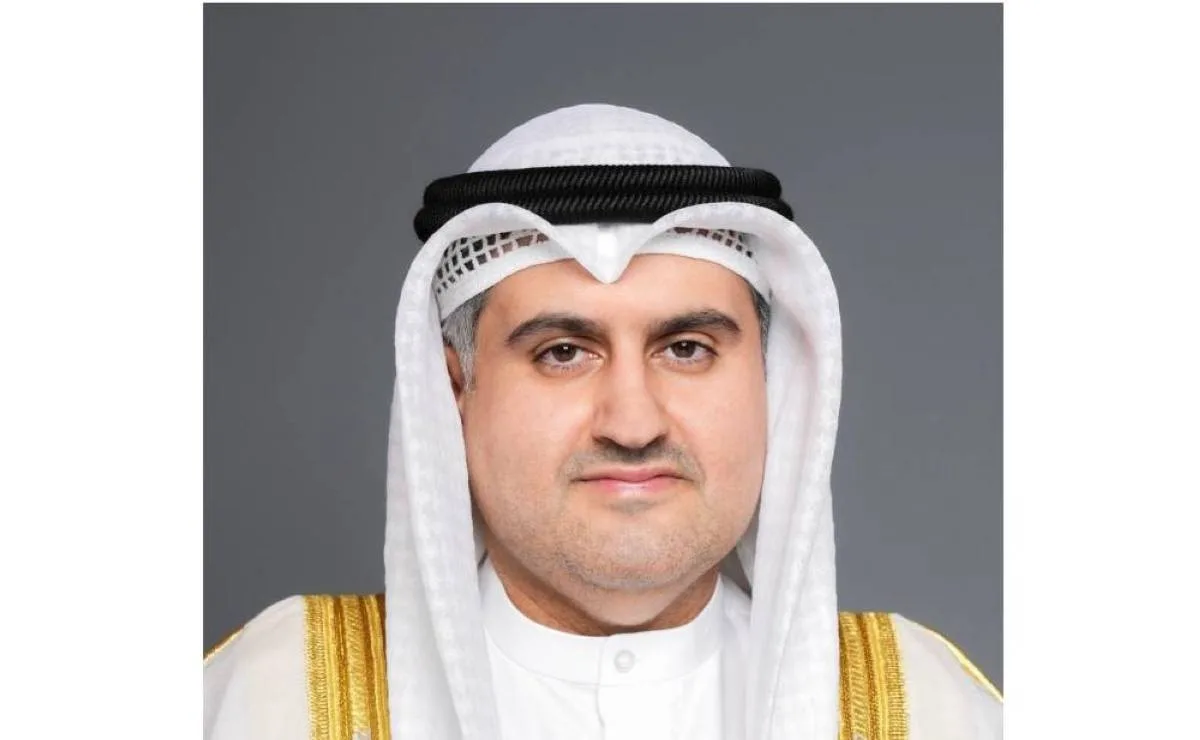
Hind Abdulrahman Al-Muftah, Qatar's Permanent Representative to the United Nations Office in Geneva, announced that Qatar's mediation efforts go beyond ceasefires to achieve sustainable solutions.
The Importance of Ongoing Diplomacy
Al-Muftah emphasized that after achieving ceasefires and political agreements, there is a need to continue diplomatic interactions. He warned that the long-term success of these agreements depends on their implementation, rebuilding trust, and addressing the consequences of war.
Read more: Antony Blinken: Gulf Countries Seeking Agreement with Iran
In an interview, he noted that Qatar's mediation efforts are based on bringing opposing parties closer and creating conducive conditions for dialogue, while the decision-making regarding the final outcome is left to the parties themselves.
Post-Agreement Challenges
Al-Muftah stated that achieving a ceasefire or political agreement is only one stage of the process. He added, "Reaching a ceasefire or political agreement is a fundamental step and at the same time the beginning of a new phase that requires ongoing efforts to support its implementation and sustainability."
Among the main challenges after the agreement are ensuring the parties adhere to their commitments, rebuilding trust, and addressing the humanitarian, economic, and social consequences of the war.
Al-Muftah emphasized that the durability of any agreement depends on the parties' willingness to implement it, as well as regional and international support to strengthen progress and address the root causes of the conflict.
He also referred to the close connection between Qatar's diplomatic and humanitarian work, stating that contemporary crises have shown that political and humanitarian pathways are closely linked. Mediation can create conditions for humanitarian aid to reach civilians and improve their protection.
Al-Muftah also called for stronger coordination among countries and other actors in the field of mediation, as well as with the United Nations and its humanitarian and developmental agencies. He added that Qatar and the United Nations can combine Qatar's mediation and dialogue experience with the humanitarian and developmental capabilities of the UN system and its partners based on their existing cooperation.
Al-Muftah referenced Qatar's long-standing cooperation with the United Nations High Commissioner for Refugees (UNHCR) and announced that Qatar has so far contributed over $440 million, equivalent to more than 1.6 billion Qatari riyals, to UNHCR programs.
Read more: Postponement of the Salalah Meeting; Challenges in Iran-Arab Relations · Jassim Mohammed Al-Badawi Commented on the Strait of Hormuz