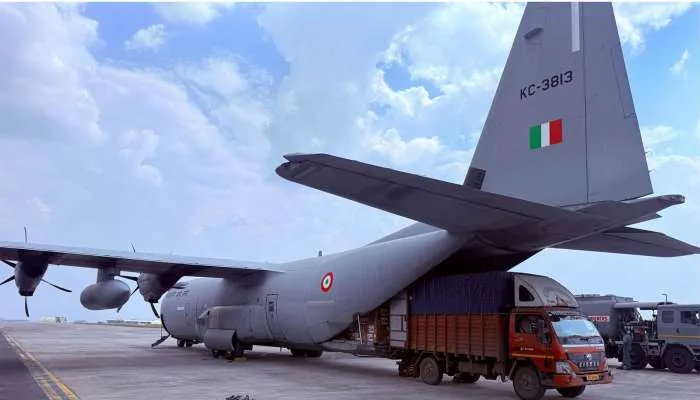
India has sent 3 tons of anti-TB medicine to Colombo to help support Sri Lanka's public health system. This shipment is part of India's commitment to enhancing public health in its neighborhood and improving the health conditions of the people of Sri Lanka.
India's Commitment to Supporting Sri Lanka's Public Health
S. Jaishankar, India's Minister of External Affairs, stated in a statement that the country is committed to supporting Sri Lanka's public health system. He remarked, "India will continue to support Sri Lanka's public health system. Today, 3 tons of anti-TB medicine were sent to Colombo."
This action comes as member countries of the Southeast Asia region of the World Health Organization (WHO) are paying more attention to their commitments to combat tuberculosis. At the 79th session of the WHO Regional Committee, these member countries emphasized the importance of early detection, increased access to prevention and treatment, and financial support for families.
Read more: Oman Hosts Training Workshop for Regional and International Emergency Medical Teams
Challenges in the Fight Against Tuberculosis
According to Dr. Nils Boe, head of the WHO office in the Southeast Asia region, "Tuberculosis is treatable and preventable, but it still claims the lives of hundreds of thousands each year in this region and drives families into poverty." He emphasized the need for access to the necessary tools to change this trend, stating, "We must ensure that these tools are provided to all those who need them in a timely and equitable manner."
According to regional estimates, this region will account for about 34% of new tuberculosis cases globally in 2024. With an estimated 3.68 million cases and about 433,000 deaths, this situation represents serious challenges in combating this disease. In this regard, countries in the region have agreed to strengthen early and comprehensive detection methods through routine services and systematic screening.
Additionally, countries have committed to using rapid diagnostics recommended by the WHO, including molecular diagnostics and digital technologies when necessary. The goals of improving access to quality treatment for drug-resistant tuberculosis and addressing social and financial barriers in this area have also been emphasized.
Preventive efforts will include expanding access to preventive tuberculosis treatments for at-risk populations and strengthening infection control and prevention. Furthermore, issues related to nutrition, diabetes, and tobacco use must also be considered.
According to regional modeling, a combination of improved treatments, public-private interactions, rapid diagnostics, and targeted prevention could significantly reduce the incidence and mortality from tuberculosis. Overall, with the introduction of the tuberculosis vaccine in 2028 alongside these interventions, approximately 1.45 million new tuberculosis cases and 300,000 deaths could be prevented by 2030.
Since 2015, this region has made progress, achieving treatment coverage exceeding 85% and one of the highest treatment success rates among WHO regions. However, these achievements are not sufficient to meet the targets of the End TB Strategy, which includes an 80% reduction in tuberculosis incidence and a 90% reduction in deaths by 2030 compared to 2015.
Read more: Health Planning Conference Held in Salalah, Oman · India's Serum Vaccine Receives Pre-Approval from the World Health Organization