Iran is in a situation where Gulf Arab countries have managed to return to pre-war levels by increasing their oil exports through alternative routes. Meanwhile, the U.S. naval blockade has severely restricted Iran's oil exports.
Changes in Oil Exports and Their Impacts
According to available reports, from September 1 to 28, 2023, at least 16.5 million barrels of crude oil and condensates have been exported from the region daily, a figure that matches the average pre-war exports, excluding Iranian oil. About 9.9 million barrels, equivalent to 60 percent of this volume, have passed through the Strait of Hormuz. However, around 40 percent of the total oil exported from the region in September has been transported via land pipelines to ports in the Red Sea or the Gulf of Oman.
Read more: Population of Muscat and Musandam in the Sultanate of Oman
Kepler Institute has estimated that Iranian oil transit through the Strait of Hormuz remained close to zero in September. Iran, which used to export about 1.7 million barrels of oil daily before the war, is now facing severe export restrictions, and this situation has helped increase exports from neighboring countries.
The Role of the United States and Changes in Ship Traffic
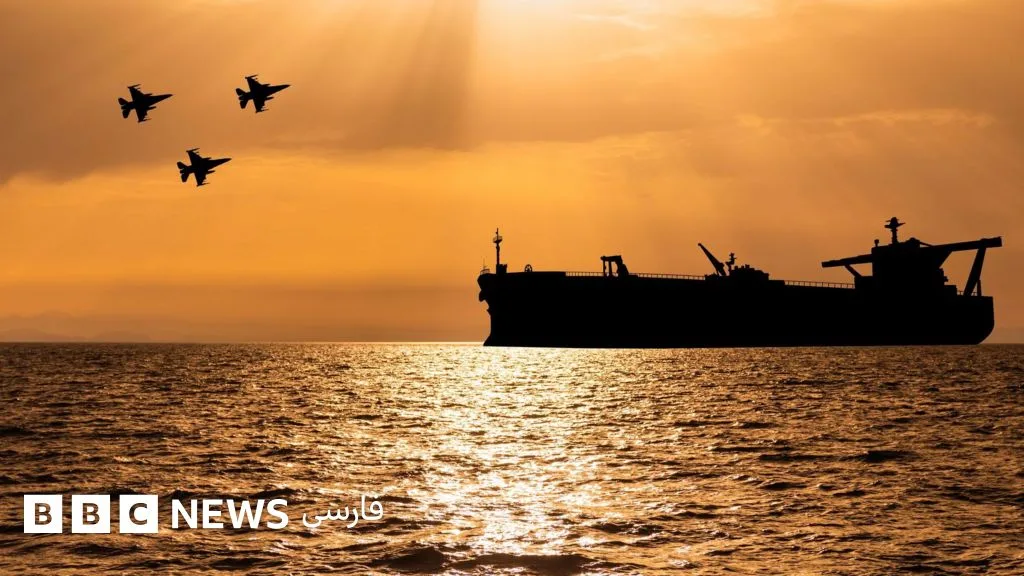
Observers believe that the role of the U.S. air and naval forces is one of the main reasons for the increased traffic in the Strait of Hormuz. Martin Kelly, a senior intelligence analyst at the security firm IHS Risk Group, emphasizes that U.S. support mainly comes in the form of "air support for ships," which includes issuing warnings and intercepting threats.
However, ships passing through the routes suggested by the U.S. still face risks. Reports indicate that several tankers were targeted in attacks on September 21 and 23. These incidents demonstrate that despite the increased traffic, ships remain at risk.
For this reason, Iran is seeking to create insecurity in the Strait of Hormuz as a bargaining tool against the United States. Hamidreza Azizi, a senior analyst on Iran at the International Crisis Group, has pointed to Iran's "smart control" over ship traffic and believes that by creating insecurity, Iran aims to influence energy prices.
In these circumstances, transferring shipments to second ships and securing tankers has added costs to regional trade, part of which is borne by governments and exporting companies. Meanwhile, the increase in Iraqi oil exports with heavy discounts also indicates that maintaining export volumes does not necessarily mean maintaining revenue.
Ultimately, the current state of oil exports and the role of neighboring countries in this regard pose a serious challenge for Iran. With the continuation of these pressures, it remains unclear whether Iran will be able to regain its bargaining power in the Strait of Hormuz.
Read more: Israel's investigations into the attack on the Fly Dubai flight continue · Iran ready to respond more strongly to potential U.S. attacks