Iran must create a significant reduction in its uranium enrichment capacity to respond to the demands of the United States. This issue was raised by Greg Stanton, the Vice President of the United States, during an interview in Vienna.
The Status of Iran's Uranium Enrichment Before the Attacks
Before the airstrikes by Israel and the United States on its nuclear facilities on June 13 of last year, Iran was enriching uranium to 60% purity, which was only a short step away from weapon-grade enrichment at 90%. The International Atomic Energy Agency (IAEA), as the nuclear oversight body, had stated that there was no credible evidence of a coherent weapons program in Iran. At that time, Iran possessed 440.9 kilograms of uranium enriched to 60%, which would have been sufficient to produce 10 nuclear weapons if further enriched.
Read more: Message from Masoud Pezeshkian, President of Iran, on the occasion of World Maritime Day
Consequences of the Attacks and Current Status
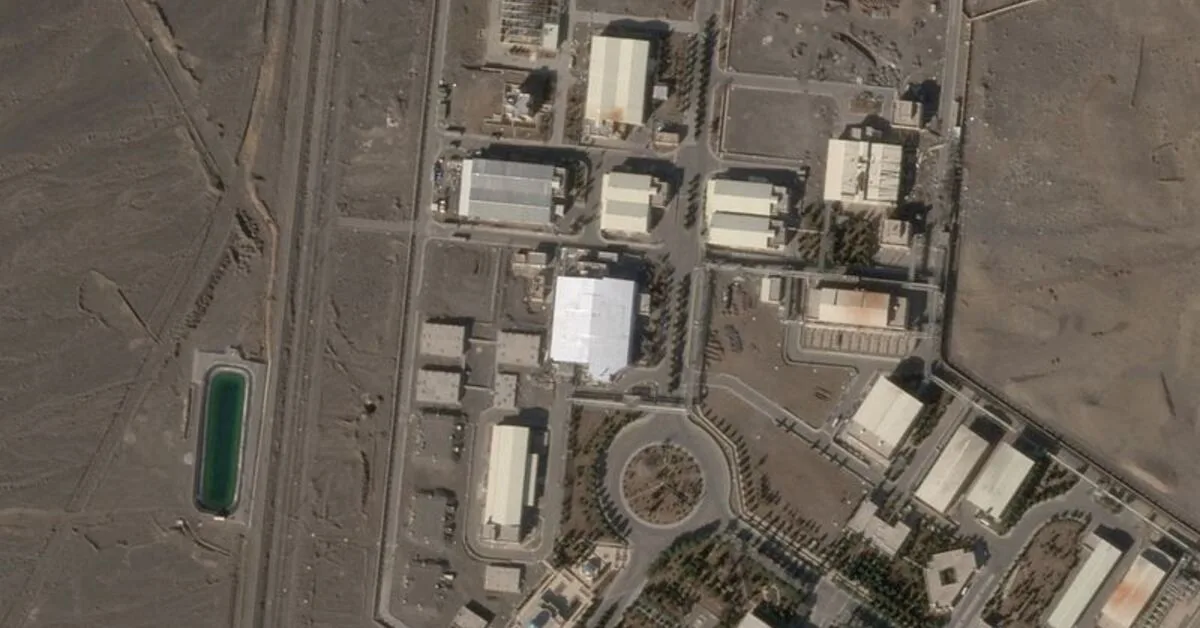
The airstrikes on Iran's nuclear facilities severely damaged or destroyed three enrichment centers. In particular, the enrichment facilities in Natanz and Fordow were heavily damaged, and due to Iran's refusal to allow IAEA inspectors to visit these sites, accurate information about their current status is not available. However, prior to the attacks, Iran had announced that it had launched new facilities in Isfahan, which, according to diplomats, are located in a tunnel network that appears to have remained safe from U.S. bombings.
Despite some damage from the attacks, according to Rafael Grossi, the Director General of the IAEA, it is estimated that over 200 kilograms of Iran's enriched uranium still remains in the tunnel complex in Isfahan.
Israel, recognized as Iran's main enemy, currently has no claims regarding uranium enrichment by Iran. However, if part of Iran's 60% stock remains, the country could easily resume the enrichment process using existing machinery.
The 2015 agreement between Iran and the major global powers had established greater oversight over Iran's nuclear activities, but the United States' withdrawal from this agreement in 2018 led to its collapse, and the International Atomic Energy Agency lost control over the enrichment machinery. Currently, the number and status of these machines are unknown, and any reduction in Iran's enrichment capacity should be compared to its previous capabilities.
Read more: Iran pointed to the closure of illegal routes in the Strait of Hormuz · Max Boot's analysis on the status of Iran and U.S. oil exports