Iran has proposed a plan to reopen the Strait of Hormuz, one of the most important energy transit points in the world, which has faced severe criticism from U.S. officials. Iranian Foreign Minister Abbas Araghchi announced this plan at a meeting at the United Nations and called on the United States to respond to some of Iran's demands.
Details of Iran's Peace Plan
The Iranian plan includes the release of the country's frozen assets, the lifting of sanctions on Iranian oil exports, and the end of the U.S. naval blockade. Abbas Araghchi emphasized that Iran is ready to open the Strait of Hormuz provided that the United States responds to these demands. He stated, "These are our rights that must be recognized." Araghchi also referred to past behaviors of the United States and expressed that due to these behaviors, there is no reason to return to negotiations with this government.
Read more: Oman: Launch of National Campaign Against Human Trafficking 'Aman 2'
U.S. Reaction
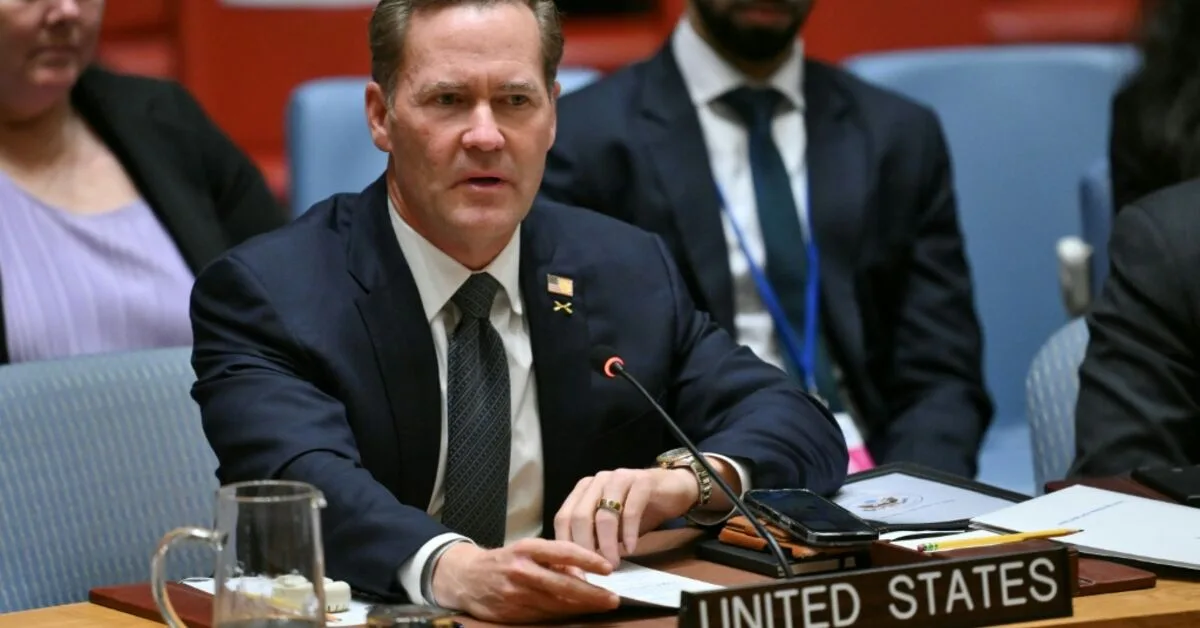
In response to this plan, Mike Walz, the U.S. Ambassador to the United Nations, criticized it, describing it as "hypocritical" and stating, "This move is an attempt to present something they knew was unacceptable." He stated that the request for the release of the blockade and assets was only made to initiate talks. Additionally, U.S. President Donald Trump rejected this plan, saying that Iranian officials are seeking this agreement because they are "losing badly."
Washington believes that Iran is trying to deceive the international community with this plan and is attempting to reduce the economic pressures imposed by sanctions. Trump clarified in his statements that he and his administration are firmly seeking to apply pressure on Iran to return to its previous behaviors.
Future Outlook
Abbas Araghchi expressed disappointment with the current situation, indicating a reluctance to return to diplomacy with the United States, stating, "We truly have no reason to return to diplomacy and engagement with this government." He also mentioned hope for diplomacy, saying, "There is always hope for diplomacy, but the realities show that we have no reason to return to this process."
The current situation between Iran and the United States, especially regarding the Strait of Hormuz, seems to have reached a critical point, making the pursuit of diplomacy in the near future difficult. Given these circumstances, ongoing tensions in this region, which is one of the world's energy hubs, could have serious consequences for global markets and international security.
Read more: Protests in Bahrain Condemning the Arrest of Shia Scholars · Oman Emphasizes Continued Efforts to Maintain Maritime Security in the Strait of Hormuz