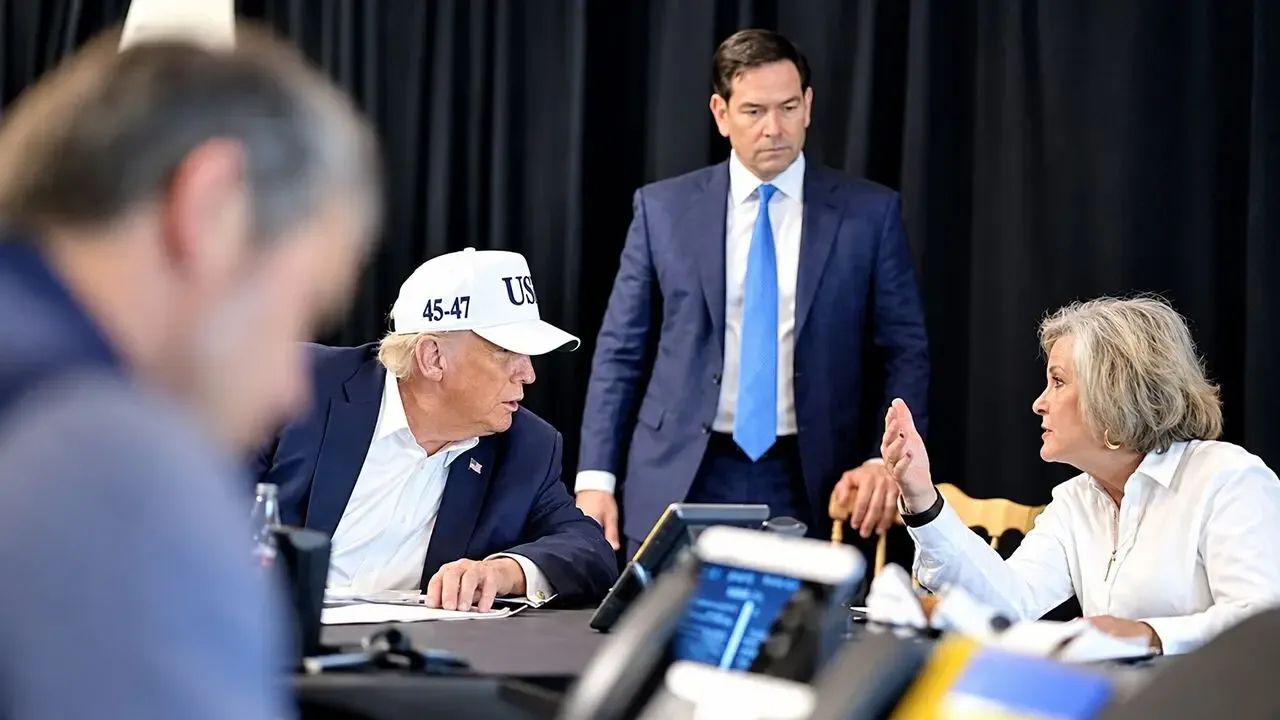
Trump is examining military options against Iran as the war has continued for seven months and he is approaching a critical and decisive point. The President of the United States stated that he is considering resuming extensive attacks on Iran, attacks that he claims could be designed to end the war. These statements come as Trump claims that Tehran still seeks an agreement and both sides are in direct contact.
Diplomatic Meetings and Security Concerns
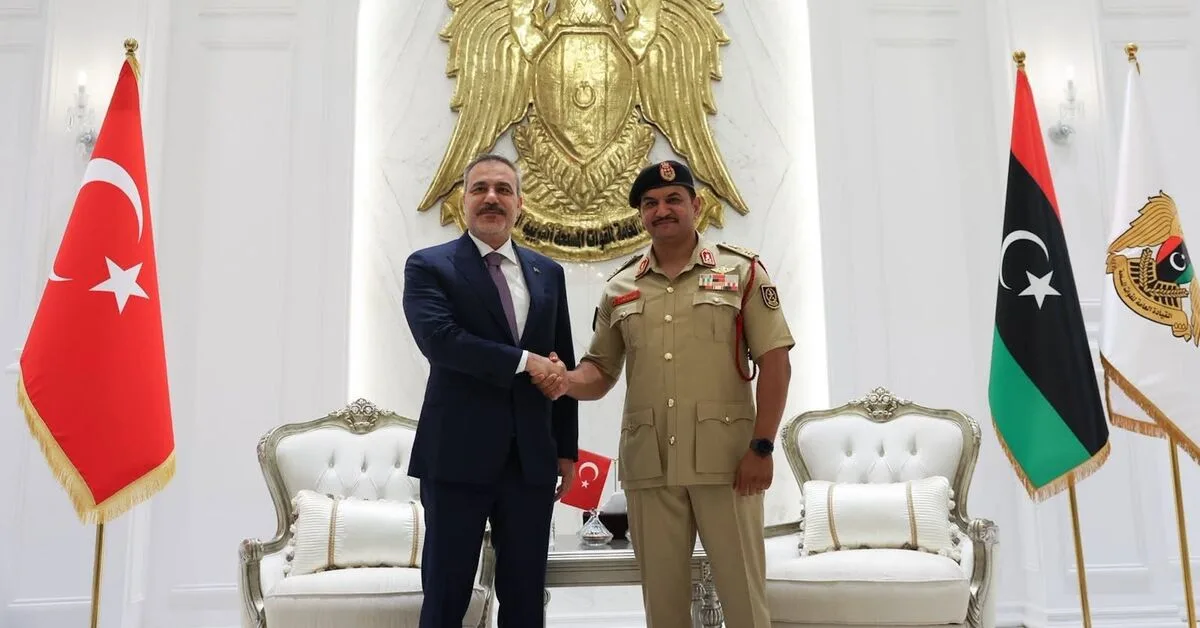
Trump's new threats come as he is set to meet with the leaders of six neighboring countries of Iran on the sidelines of the United Nations General Assembly. These countries are particularly concerned about their security against Iran and the impacts of the war on their oil and gas infrastructure. Trump had previously stepped back from military escalation due to concerns raised by Saudi Arabia and Qatar regarding Iran's reaction and the targeting of regional energy facilities.
Read more: Salalah Meeting; A Necessary Step for Regional Security
Some analysts believe that Trump's new statements could be part of a maximum pressure strategy to gain leverage in negotiations with Iran. Nourddin Al-Daghir, a journalist from Al Jazeera, also believes that this positioning could be framed as groundwork for negotiations with Iran, especially after Abbas Araghchi's visit to Beijing and the recent contacts between the foreign ministers of China and the United States.
Consequences of War and Domestic Challenges
However, the current reality shows that the war is no longer the short conflict that Trump initially promised. Many analysts believe that the U.S. and Israel's campaign against Iran has reached a stage where the cost during periods of intense battle is estimated at around one billion dollars per day. Additionally, the objectives of the war have changed over time, and despite military superiority, the U.S. has still not been able to achieve its initial goals.
Reports indicate that Trump is seeking an option to exit this situation. In this context, the political costs of the war within the United States have also increased, and with the midterm elections approaching, the war against Iran has become one of the sensitive issues in domestic politics. The continuation of the war, especially with rising gasoline prices and declining popularity for Trump, places more pressure on his administration as elections draw near.
In this situation, meeting with the leaders of the Gulf Cooperation Council becomes very important. If Trump can manage the concerns of Arab allies regarding Iran's reaction and the state of the energy market, it may create more space for pressure on Tehran. However, if the regional countries' opposition to escalating the war is serious, these countries could become a factor in restraining military options.
Ultimately, Trump's new threats should not be seen as a definitive sign of the beginning of a broader war. Past experiences have shown that in his strategy, military threats, negotiation, and temporary withdrawal can be used simultaneously. The question now is whether the threat of war can still provide him with diplomatic leverage or whether Washington will be forced to bear the military costs that it initially promised would be short.
Read more: Chatham House: The War in Iran Affects the Security Order in the Persian Gulf · Development of the Semiconductor Industry in India in Collaboration with Nexperia and Tata