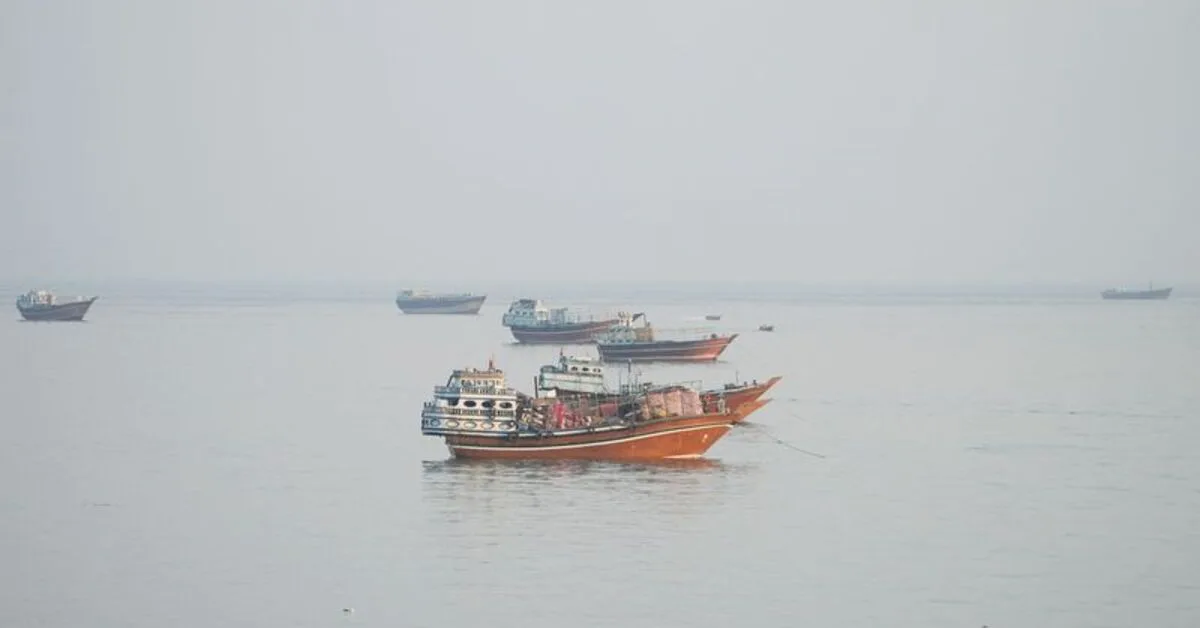
The Hormuz Strait Organization of Iran, an entity established to manage transit requests in the Strait of Hormuz, announced on Tuesday that all ships belonging to the South Korean Sinokor Shipping Company will face legal actions starting from November 1. This action is part of Iran's efforts to exert more control over this strategic waterway and counter violations of maritime laws.
Recent Developments in the Strait of Hormuz
Following airstrikes by the United States and Israel on its territory on February 28, Iran has significantly increased its control over the Strait of Hormuz. This strait is recognized as one of the most important trade routes and oil transit paths in the world, and Iran is attempting to gain leverage over Washington by imposing restrictions on the passage of ships, as well as disrupting the flow of oil exports from Gulf Arab producers to Asian markets.
Read more: Ali Akbar Velayati: The Hijab Challenge in Azerbaijan and Relations with Israel
Violations of Maritime Laws and Iran's Accountability
The Hormuz Strait Organization stated in a statement that Sinokor ships have had the highest number of transit violations in the past three months, and appropriate actions have been taken against at least seven of these ships. This comes as Sinokor ships were previously added to a list of 45 oil tankers that Iran claimed had violated the transit laws of the Strait of Hormuz.
In response to Iranian actions, the United States has also established a maritime blockade against ships associated with the Islamic Republic of Iran in this strait. This blockade has significantly reduced Iran's exports, and Gulf producers have resorted to informal methods known as "dark passage" to protect their oil exports. This method involves turning off tracking systems on tankers to avoid detection.
Economic and Diplomatic Consequences
Iran's actions in the Strait of Hormuz not only impact maritime security but could also have significant economic repercussions. The Strait of Hormuz, located between Iran and Oman, carries about 20 percent of the world's oil, and any disruption in this route could lead to rising global oil prices and instability in energy markets. This situation could also escalate diplomatic tensions between Iran and other countries, especially the United States and its allies.
In light of these developments, Sinokor ships and other shipping companies may seek ways to mitigate the risks associated with passing through this waterway. At the same time, this situation reflects the rising tensions in the Gulf region and its impact on global security and stability.
Read more: The U.S. Government Comments on New Military Operations Against Iran · High-Level Diplomacy from Saudi Arabia, Pakistan, and Turkey to Iran