As Iran's western neighbor, Iraq has decided to halt flights by Iranian airlines following recent developments. This action comes after warnings from the U.S. Treasury Secretary regarding the impacts of sanctions against Iran and the necessity for neighboring countries to enforce them.
Halting Flights and Its Consequences
Scott Basset, the U.S. Treasury Secretary, announced on Monday that due to "economic expulsion operations," Iranian airlines will no longer be able to operate anywhere from September 23. He emphasized that these sanctions will have serious consequences for companies that provide services to these aircraft. According to Basset, non-compliance with these sanctions could lead to removal from the dollar system.
Read more: Iran threatens to escalate the war with new weapons in case of U.S. attacks
Following these statements, sources in the Iraqi government announced that Baghdad will decide to ban the activities of Iranian airlines starting from early Tuesday. An Iraqi official stated: "Countries that do not implement this decision will be subject to sanctions." However, Majid Akhavan, the spokesperson for Iran's Civil Aviation Organization, emphasized that there has been no official announcement from the Iraqi government in this regard.
Disarming Militias and Iraq's Challenges
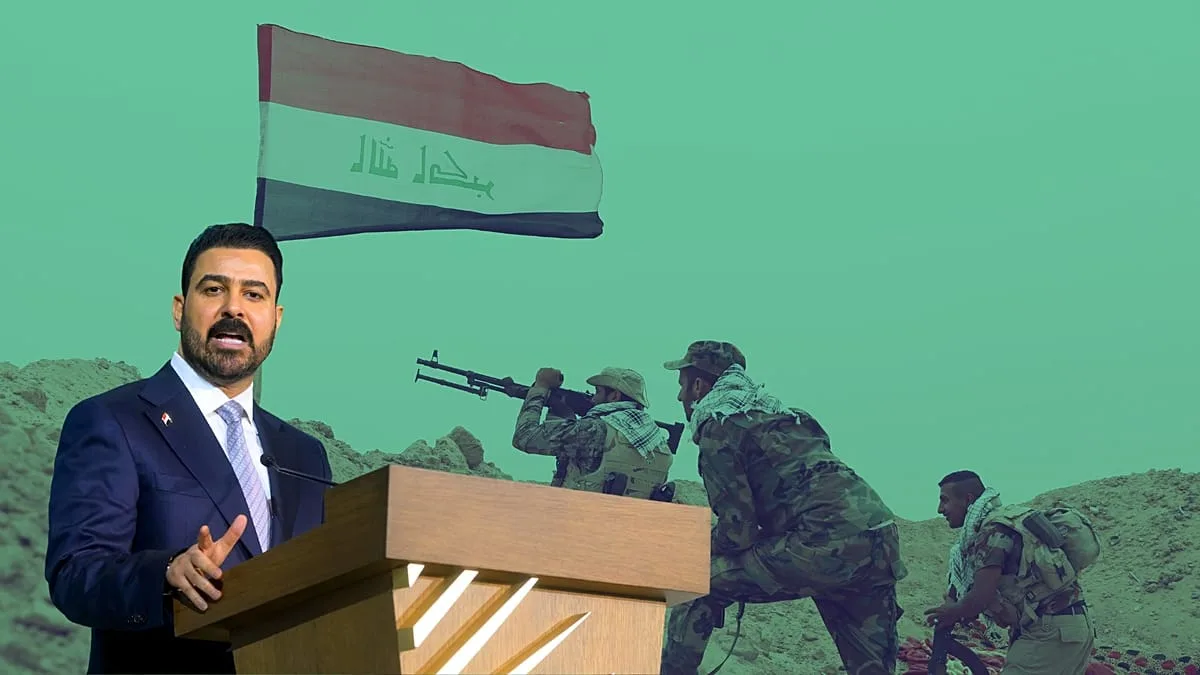
Ali Al-Zaydi, Iraq's new Prime Minister, has presented a plan to disarm Iran-backed militias by June 2027 in an interview with The New York Times. In this plan, he initially set a 90-day period for halting attacks by these groups and then called for the surrender of their weapons. Al-Zaydi described this issue as a "necessity" and "prestigious," acknowledging that others have addressed it but have failed to implement it.
The challenges of disarming militias in Iraq, especially in the context of war and political unrest, are significant. Some regional diplomats and Iraqi security officials consider this timeline impossible and believe that the lack of a peace agreement between the U.S. and Iran could lead to the failure of this plan.
Iraq is currently under economic pressures due to war and sanctions, and according to Al-Zaydi, 60 percent of the country's export revenue has been lost due to the war. While it used to export over 3.3 million barrels of oil daily before the war, this figure has drastically decreased.
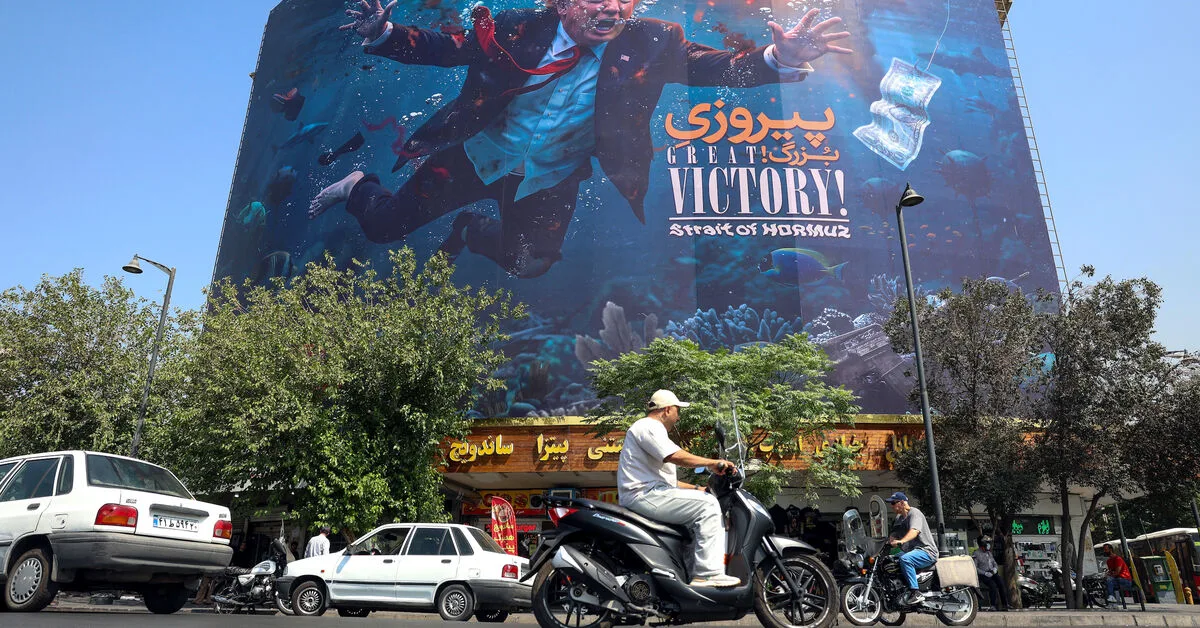
The Prime Minister of Iraq is also considering creating infrastructure to bypass the Strait of Hormuz and increase oil exports to Europe. Emphasizing the need to establish economic ties between Iraq and other countries, he aims to turn the country into a commercial hub.
Read more: The United States government hopes for an end to the war with Iran · Trump and military options in facing Iran