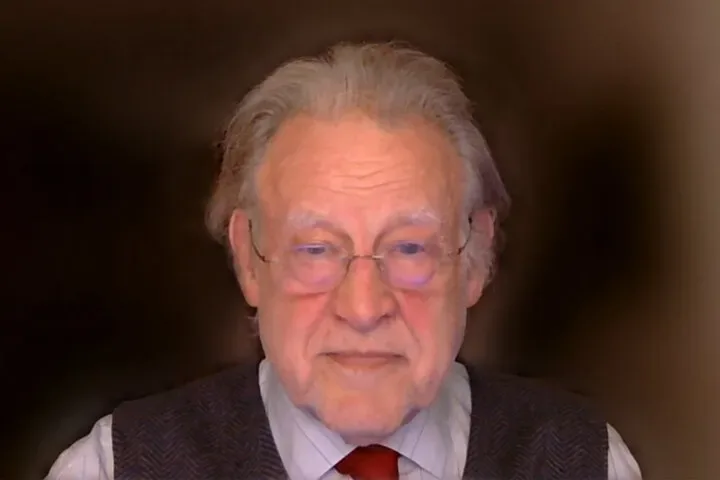
John Helmer, a senior geopolitical analyst and veteran journalist based in Moscow, has discussed the current state of the balance of power in the Middle East and its impact on Iran and the United States. Helmer emphasizes that Iran has been able to raise the cost of similar military actions against itself for the U.S. by increasing its deterrent power.
Shifting Balance of Power and Its Implications
In this conversation, Helmer refers to the relationship between war and politics, stating: "War is the continuation of politics by other means." According to him, to assess the position of any country in the Middle East, one must first consider the outcomes of war and then the politics. He points out that the United States, as a new empire in the Middle East, is facing serious challenges.
Read more: Signing of Cooperation Agreement Between the Royal Oman Force and Dhofar University
Helmer explains that by maintaining its survival against two attempts to destroy its political system, Iran has been able to enhance its deterrent power. He points to two fundamental challenges: the January internal uprising and military attacks on senior Iranian officials. According to him, this situation reflects Iran's ability to maintain its security and military power.
Countering U.S. Pressures
Furthermore, Helmer highlights Iran's achievements in facing U.S. economic and military pressures, stating: "Iran has not accepted any demands from the U.S. and has maintained its resistance against a power that is aggressively seeking to weaken Iran's economy." He also notes that while the U.S. has achieved its goals in many cases, these achievements do not signify Iran's defeat.
The senior geopolitical analyst emphasizes the importance of two factors in Iran's political structure: first, the deep and layered leadership structure that has helped Iran remain safe from targeted assassinations, and second, public support and grassroots mobilization that act as effective factors in countering external pressures.
Helmer also refers to the situation of the Gulf Cooperation Council countries and their vulnerability to Iranian threats, stating: "This situation warns the U.S. and Arab countries that they are heavily dependent on U.S. military support."
The Role of Oil Prices and the Strait of Hormuz
Finally, the issue of oil prices and control of the Strait of Hormuz is introduced as a significant factor in the balance of power. Helmer believes that Iran can influence oil prices by controlling the Strait of Hormuz, which could increase political pressures on American leaders. He also mentions U.S. efforts to exploit fluctuations in oil prices and concludes that this situation could be beneficial for both sides.
Overall, Helmer emphasizes that the current situation does not signify the end of the war, and both sides are still assessing and planning for the next stages.
Read more: Trump and Military Options in Facing Iran · Pakistan Continues Efforts for Agreement Between the U.S. and Iran