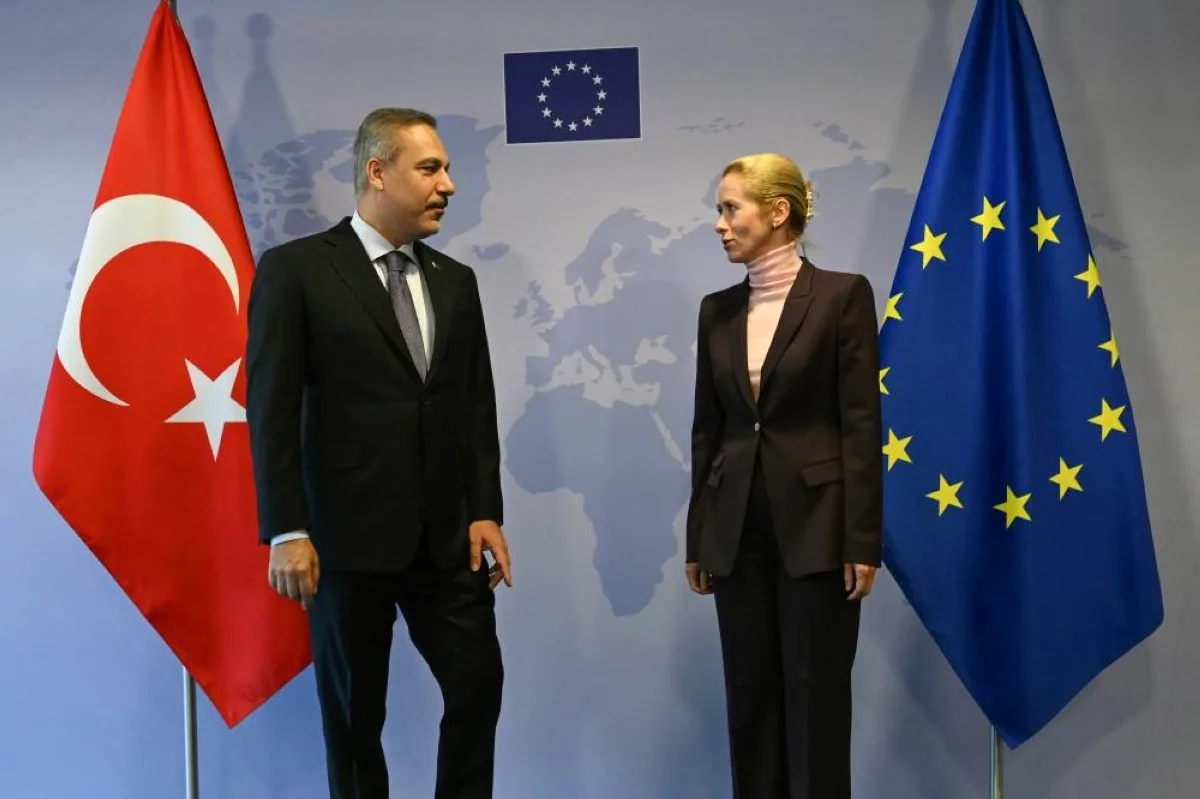
Foreign ministers from seven European and Middle Eastern countries held a meeting in Istanbul on Friday, addressing topics including the Strait of Hormuz and ongoing crises in the Middle East. The E3 ministers from the UK, France, and Germany met with their counterparts from the R4 group, consisting of Turkey, Saudi Arabia, Pakistan, and Egypt, to discuss the situation of Palestinians, developments in Yemen, and the Strait of Hormuz, as well as ways to end the war between Russia and Ukraine.
Focus on the Strait of Hormuz and Maritime Security
The UK Foreign Office, led by Ed Miliband, announced that the main focus of the discussions would be on the Strait of Hormuz and the situation in Saudi Arabia. According to this office, despite positive advancements from the United States and regional partners, passage through the Strait of Hormuz remains threatened, and maritime traffic in this waterway has significantly decreased.
Miliband will emphasize in this meeting that a diplomatic solution must lead to the full restoration of maritime rights and freedoms, noting that Iran's powers in this regard have significantly increased. He will also point out the rising pressure from attacks on Saudi Arabia and the importance of protecting vital waterways such as Bab al-Mandab and the Suez Canal. The UK has recently deployed RAF Typhoon fighters to Saudi Arabia to defend against Houthi attacks.
Regional Security Issues and Calls to the International Community
Hakan Fidan, Turkey's Foreign Minister, is hosting this meeting and will emphasize the need for accountability among regional countries. He will also call for existing disputes not to feed into one another and expand tensions into new areas. Fidan will also urge the international community to increase pressure on Israel for its expansion of settlements and what he describes as "settler terrorism."
The Turkish Foreign Minister will stress Ankara's support for Saudi Arabia's security against Houthi attacks and highlight the necessity of permanent freedom of passage in the Strait of Hormuz and Bab al-Mandab. Additionally, unrest in the Black Sea will also be a key focus of this meeting, with references to Turkey's warnings and proposals to prevent the spread of the Russia-Ukraine war to this region and reduce civilian casualties.
Attacks on commercial ships, particularly using drones, have increased in recent months, and Turkish vessels are increasingly exposed to these attacks. Turkey sent a proposal to Russia and Ukraine last month to end these attacks, but incidents have escalated in recent weeks, especially near Romania and Bulgaria. NATO announced on Tuesday that it is deploying additional aircraft, drones, and radar systems to the Black Sea.
The E3 group was established over 20 years ago to coordinate diplomacy regarding Iran's nuclear program. The R4 group, formed this year, includes Egypt and signatories of the Mecca Defense Agreement, a mutual defense pact created by Turkey, Saudi Arabia, and Pakistan in August.
Read more: Emphasis on Media Credibility and Government Transparency in Kuwait's National Security · Hassan Qashqavi: Iran Will Target Countries of Origin of Aggression