Mohammad Abdulsalam, head of the Yemeni government negotiating team, reacted to statements regarding the Yemeni side's opposition to holding a meeting with the Saudi side in the Sultanate of Oman, detailing the communications and proposals exchanged between the two sides.
Details of Communications and Proposals
Abdulsalam stated: "We asked the Saudi side to end the blockade and address humanitarian issues according to the roadmap. We presented more than one proposal, but unfortunately, the Saudi side did not take a single step forward."
Read more: The Queen of Morocco Appointed a New Government with a Female Prime Minister
He emphasized that before the escalation of tensions and after the speech of the Ansar Allah leader on the anniversary of the Hijra, we were in direct and indirect contact with the Saudi side. Saudi officials believed that regional and international developments and Yemen's participation in Operation Storm of Al-Aqsa would make this country no longer need to adhere to its commitments towards Yemen.
Emphasis on the Consequences of Saudi Attacks
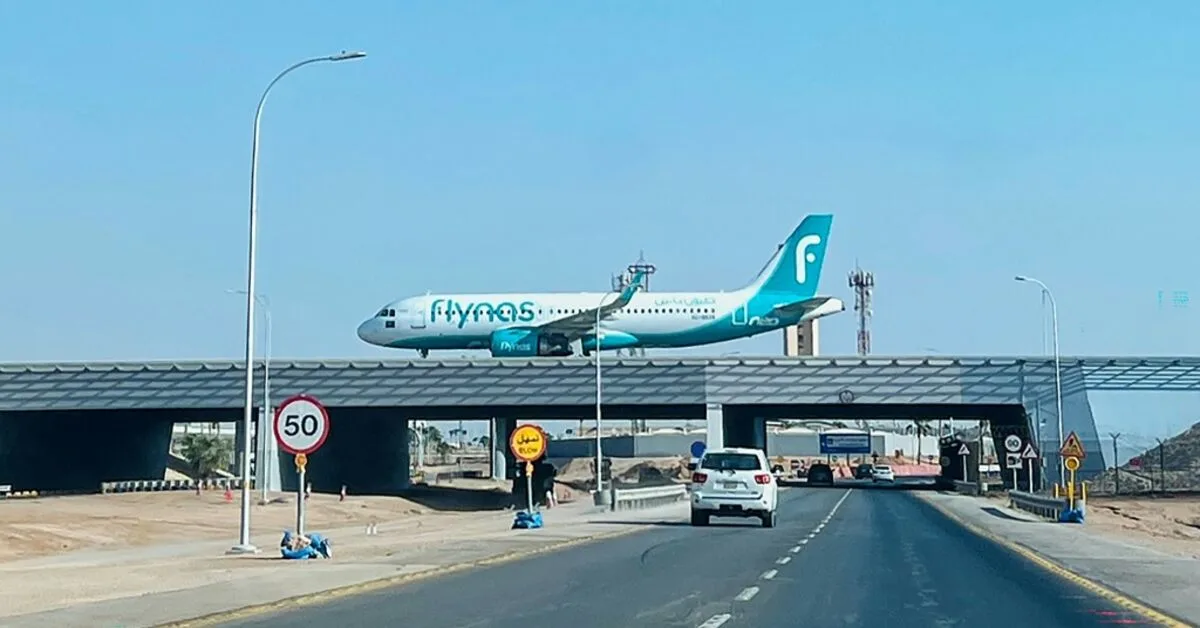
Abdulsalam also referred to Saudi Arabia's attack on Sana'a airport on July 13 and said: "Before the Saudi side carried out this attack, we warned about the dangers of this action and the necessity of allowing the return of the delegation, but Saudi Arabia insisted on its position."
He described this attack as a provocative act that ended the ceasefire and de-escalation situation. He added: "After a serious violation of the agreement, the insistence on continuing the restrictions and blockade of Yemen's airports and ports, and the rejection of any realistic and fair solution and disregard for proposals, the armed forces were compelled to fulfill their duty."
Abdulsalam continued that a few days after the first operation in response to the Saudi side, Omani officials contacted them and presented several proposals to reduce tensions, which Sana'a also agreed to. One of Oman's proposals was to establish a five-day ceasefire during which negotiations would take place in a calm atmosphere.
He stated: "Within three days, we provided our response to our brothers in Oman and agreed to Saudi Arabia's request to halt the escalation of tensions for five days, provided that the Saudi side accepts humanitarian demands."
Abdulsalam concluded by noting that the lack of positive signs from Saudi Arabia was accompanied by this country's field actions to increase forces, armament, and escalate tensions, and described the Saudi side's delay in responding as a method to buy time.
Read more: Marco Rubio Expressed Deep Concern Over Settler Attacks in the West Bank · The Importance of the Battle of Taiz in Yemen and Its Impacts on the Future of the Country