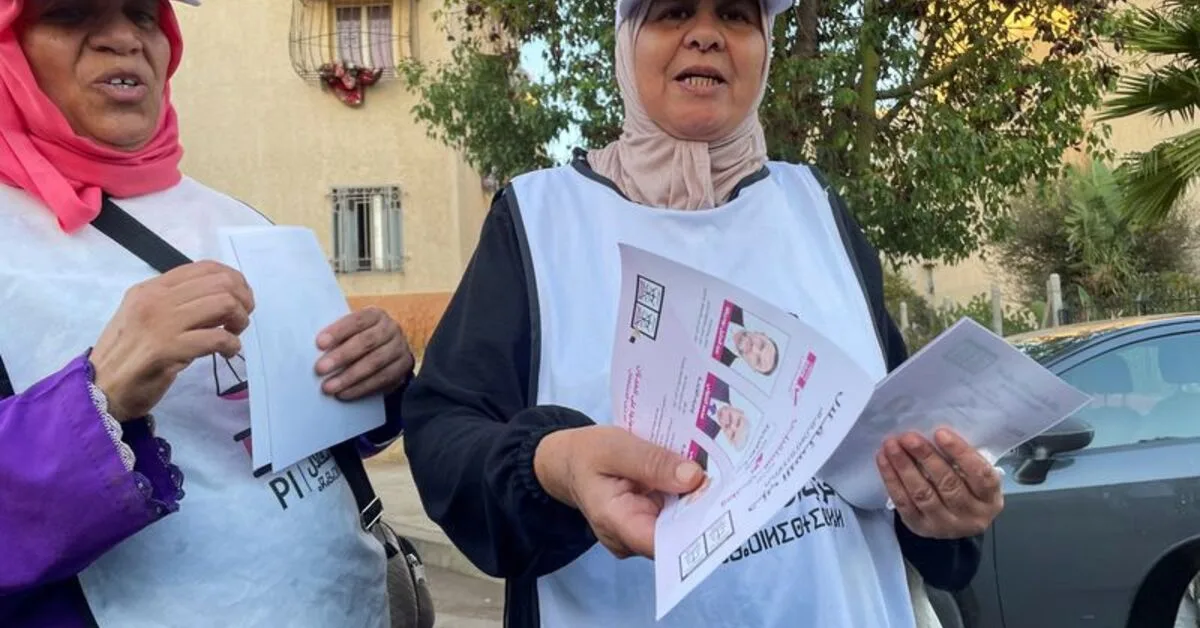
The people of Morocco will participate in an election on Wednesday, September 23, that will help shape a new government and oversee the final stages of planning for hosting the 2030 World Cup. This election also brings to the forefront efforts to direct economic revenues towards the country's disillusioned youth.
Limited Impact on the Balance of Power
The upcoming parliamentary elections will not fundamentally change the balance of power in Morocco, as the king still holds extensive powers in policymaking, defense, and foreign affairs. However, the future parliament will be tasked with implementing projects that increasingly address youth issues and social grievances.
Read more: Sheikh Tamim Calls for Diplomacy and Dialogue at the UN General Assembly
Challenges and Election Promises
The current government consists of three parties, two of which are close to the royal palace. This government succeeded in ousting a moderate Islamic party that had been in power for a decade following the Arab Spring protests. In this election, the two major current parliamentary parties, the National Rally of Independents (RNI) and the Authenticity and Modernity Party (PAM), have each promised to create about one million jobs in the upcoming five-year term and are committed to improving housing, wages, and hospitals.
Voter turnout in this election, especially among youth, will be closely monitored, as it is seen as a measure of citizen engagement and trust in electoral institutions. Of the 27 million voters in Morocco, only 15.8 million have registered on electoral rolls, indicating a decrease of about 12 percent compared to the 2021 elections.
Aziz Akhannouch, the current Prime Minister who has led the government since 2021, will not participate in this election after stepping down from the leadership of the RNI party. Morocco is investing in infrastructure, including stadiums and railways, in preparation for the World Cup, which it will co-host with Spain and Portugal. Planned expenses are estimated to be around 190 billion dirhams (approximately 20 billion dollars), equivalent to nearly 12 percent of the country's GDP in 2024.
Read more: Heavy Casualties in Yemen Following Clashes Between Houthis and Government Forces · US Sanctions Against Iranian Cryptocurrency Exchange Bitbank Due to Hormuz Payments