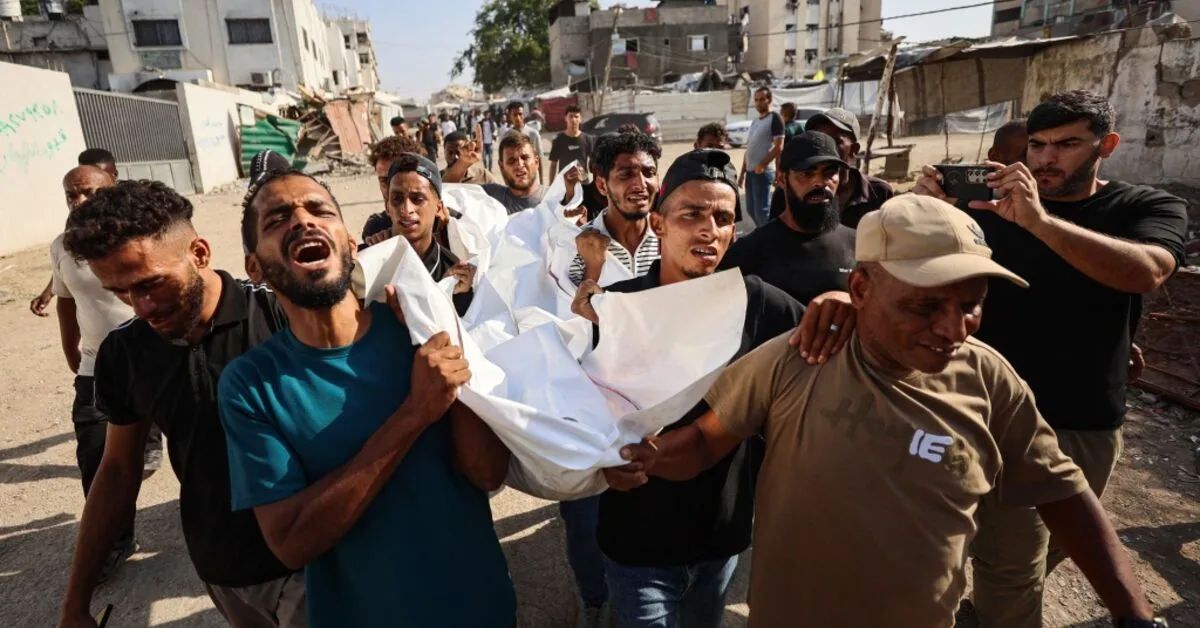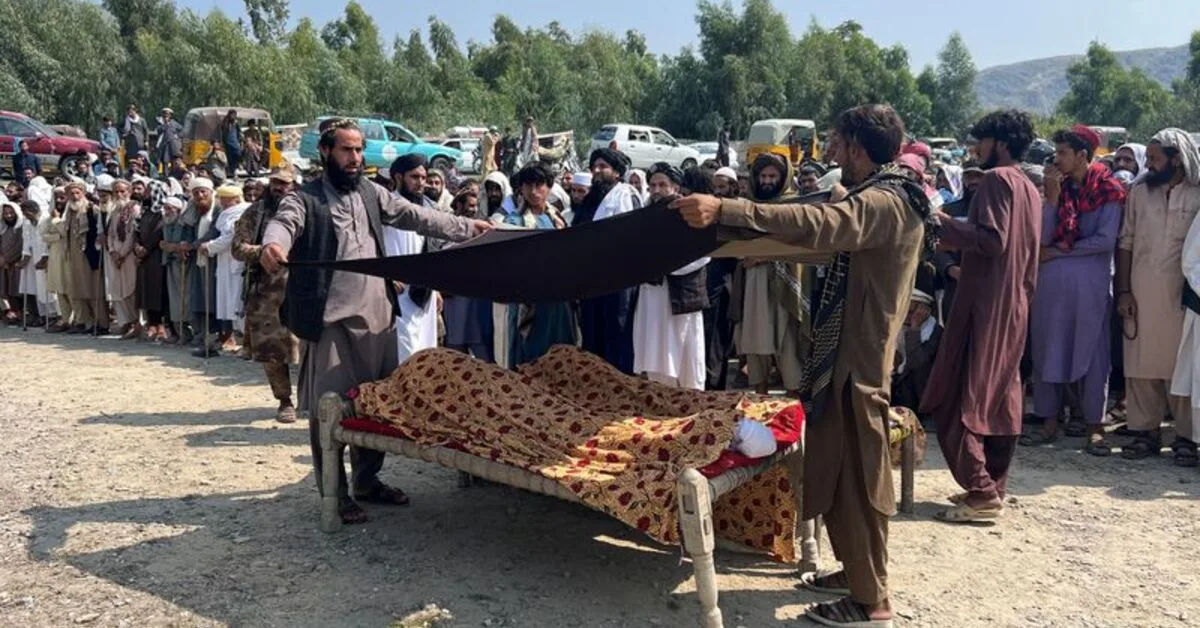
The government of Pakistan announced on September 21, 2023, that at least 28 militants were killed in airstrikes in the border region of Afghanistan and Pakistan. A Pakistani security official pointed out that these attacks were carried out in two Afghan provinces.
Taliban's claim about civilian casualties
Hours before this announcement, Taliban officials claimed that at least three civilians lost their lives in Pakistan's airstrikes. Zabihullah Mujahid, the spokesperson for the Taliban government, stated that the Afghan side "will respond appropriately to this aggression." A Pakistani official, who wished to remain anonymous, said that these attacks occurred in Paktika and Kunar provinces. While the Ministry of Information of Pakistan announced the number of casualties, the country's military did not quickly respond to this issue.
Read more: Pakistan conducted airstrikes in Afghanistan
Tensions in Afghanistan-Pakistan relations
Relations between these two countries, which were once allies, have come under pressure in recent years, with Islamabad repeatedly accusing Kabul of harboring militants who carry out cross-border attacks. Clashes have intensified since February, and in the first half of this year, hundreds have lost their lives as a result of airstrikes, drone attacks, and artillery fire. The Taliban of Afghanistan has repeatedly claimed that it does not harbor any anti-Pakistani militants and states that the problem of terrorism in Pakistan is related to its own territory.
The recent airstrikes came after an attack on a police station in Kohat, Pakistan, where at least 24 people were killed. Such previous attacks by militants usually lead to retaliatory responses from Pakistan. In a separate exchange of fire on Sunday, six Pakistani soldiers and eight militants were killed in the Hangu area, near the Afghan border.
According to reports, at least one house in Kunar province was targeted, resulting in the deaths of three family members and injuries to four others. Additionally, in Paktika, two locations were bombed, leading to the destruction of a shop and an empty house, but no casualties were reported.
Mullah Khan, a 55-year-old resident of the area, said: "Everyone was scared." He is deeply concerned about the security situation and the recurrence of such attacks.
Militants in Pakistan are divided into various groups, each with different support bases and ideologies, but all view the Pakistani government as their common enemy. The attack last week in Kohat was attributed to the militant group Islamic Shura Al-Mujahideen, led by warlord Hafiz Gul Bahadur. This group had previously targeted American and NATO forces in Afghanistan but relocated to Afghanistan following Pakistan's military operations in 2015.
The long-term consequences of these changes are still unfolding, and analysts say that Bahadur's group has become "a different umbrella for militant groups, with Al-Qaeda as its architect and Gul Bahadur as its face." While public attention in Pakistan has focused more on the Tehrik-i-Taliban Pakistan (TTP), Pakistan's retaliatory attacks have targeted both TTP and Bahadur's hideouts in Afghanistan since late last year.
In July, Afghanistan conducted drone attacks on Pakistan, which Islamabad claimed its forces were able to repel and destroy. The worst incident occurred in March, when over 400 people were killed in a Pakistani airstrike in Kabul, which the Taliban of Afghanistan claimed targeted a drug rehabilitation center. Islamabad denied this accusation, stating that it "carefully targeted military facilities and the support infrastructure of terrorists." Pakistan has a large air force with 422 fighter jets and over 260 helicopters, while Afghanistan has no fighter jets and only has at least six planes and 23 helicopters that were previously used in operations against Pakistan.
Read more: US security warning for citizens in 6 Middle Eastern countries · Energy crisis in Bangladesh and Pakistan amid escalating tensions in the Gulf