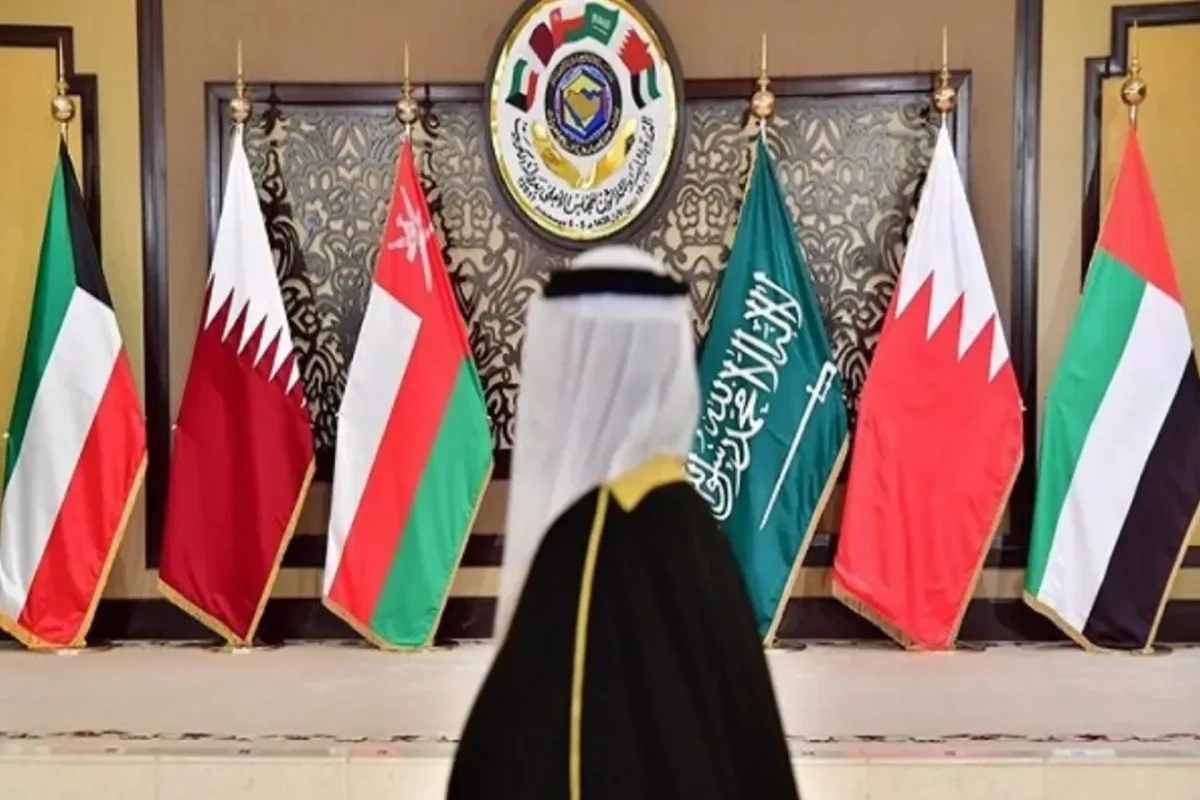
The Gulf Cooperation Council countries, including Bahrain, Kuwait, Oman, Qatar, Saudi Arabia, and the United Arab Emirates, are facing a serious challenge in terms of security. While these countries depend on U.S. support to defend against Iranian threats, this dependence has simultaneously increased the risks of Iranian attacks.
New Strategies of Gulf Countries
In response to this situation, the member states of the Gulf Cooperation Council are seeking overlapping strategies. They continue to cooperate with the United States, especially in military fields, but at the same time are diversifying their security relations and pursuing diplomacy with Tehran. This approach may seem dualistic at first glance, but it is essential for the survival of these countries. As the costs of war and tensions have increased, these changes could lead towards some form of compromise with Tehran.
Read more: Bahrain's Protests on the Second Anniversary of the Martyrdom of Sayyid Hassan Nasrallah
Saudi Arabia's Efforts to Diversify Security
Saudi Arabia, as the largest and most influential member of the Cooperation Council, exemplifies the efforts of Gulf countries to diversify their security approach. Before the war began, Saudi Arabia sought a mutual defense pact with the United States that could secure greater commitments from Washington for its protection against threats. Although a recent agreement in November 2025 fell short of Riyadh's expectations due to lesser commitments, it reflects Saudi Arabia's close relations with the United States.
With the onset of the war, Saudi Arabia faced challenges. The country found itself alongside an ally that was not clearly aligned with Riyadh on war objectives and strategies. Nevertheless, Saudi Arabia continued to cooperate with Washington and participated in joint attacks against Iranian-backed forces in Iraq.
In addition to cooperation with the United States, Saudi Arabia has taken steps to strengthen its own security. Allowing the deployment of troops to Pakistan and forming multinational maritime defense coalitions are part of these efforts. Additionally, Saudi Arabia reached a bilateral agreement with Pakistan and Turkey for collective security.
The Role of Oman and the UAE in Regional Diplomacy
Oman, which is militarily and demographically weaker, has pursued a policy of coexistence with Iran and has played a mediating role in negotiations between Tehran and the Gulf Cooperation Council countries. However, it seems that Iranian threats continue to cast a shadow over Oman's security.
The United Arab Emirates, despite adopting a tougher stance towards Iran, is trying to preserve its interests through behind-the-scenes negotiations with Tehran. The UAE's historical and economic ties with Iran have led it towards new interactions, although regional conflicts cannot be easily overlooked.
Overall, the Gulf Cooperation Council countries are striving to create a balance between cooperation with the United States and engagement with Iran. These changes in approaches reflect profound shifts in regional security equations that could have wide-ranging implications for the future of the Gulf.
Read more: The Impact of the U.S.-Israel War on Gulf Security · The United States Grants Sanctions Waivers for Flights to Iran and Najaf