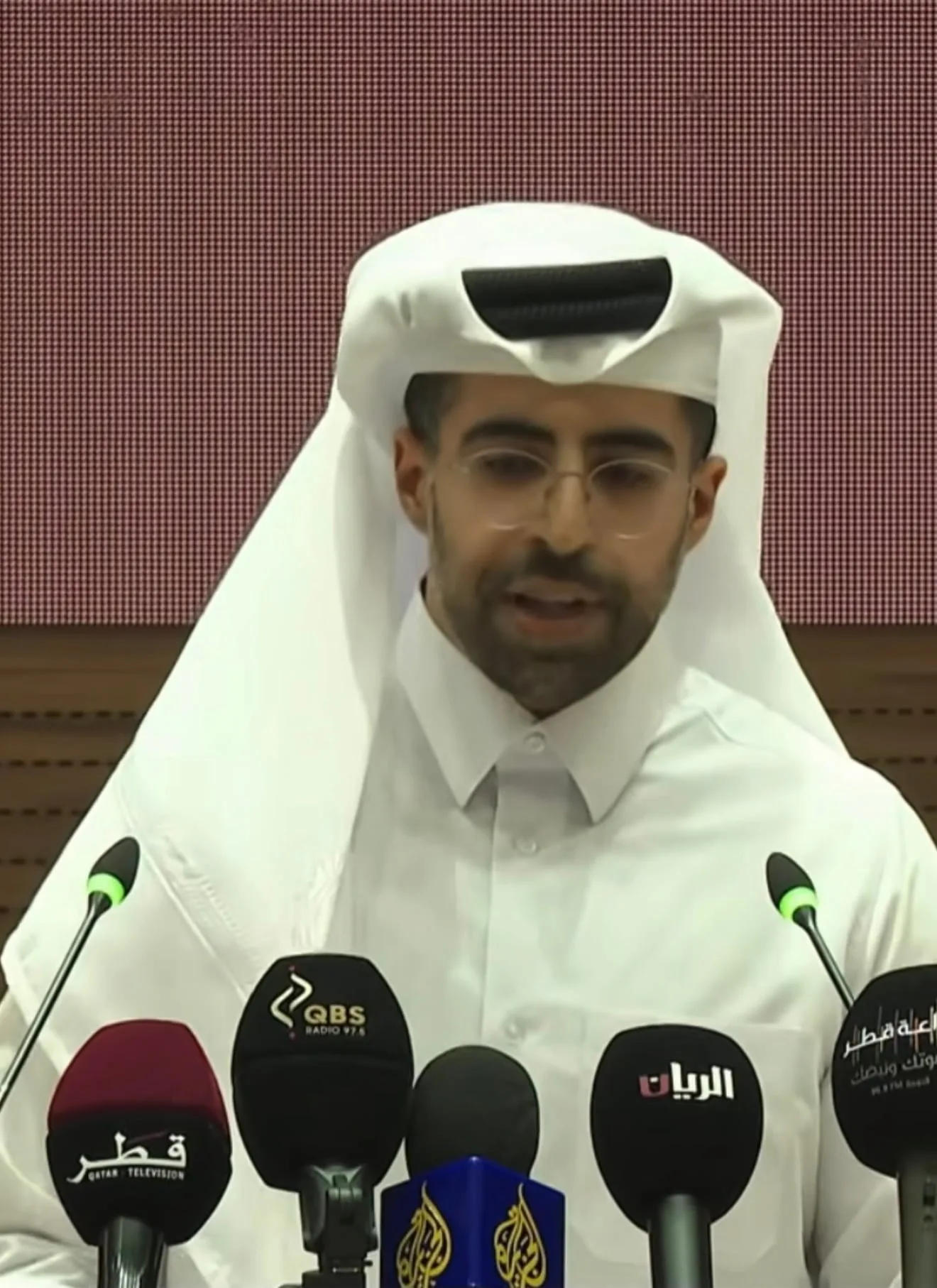
On Tuesday, Qatar warned of the consequences of disruption in undersea internet cables in the Strait of Hormuz and its impact on the countries of the region during a weekly press conference at the Ministry of Foreign Affairs. Ibrahim Alhashimi, the director of the media and communications department at the Ministry of Foreign Affairs, stated that the countries in the region, including Iran, would suffer the most from this disruption.
Consequences of Disruption in Cables
In this conference, Ibrahim Alhashimi said: "The countries in the region depend on the waters of the Strait of Hormuz for agriculture, salt production, and fisheries, and any damage to this area could threaten their water security." He added that this issue would affect the daily lives of people.
Read more: Seyed Abbas Araghchi: We are ready to consult with the countries of the region to ensure security
Alhashimi also criticized the attacks and threats targeting this waterway and called for an immediate halt to these actions. He emphasized: "Water security in the Strait of Hormuz is an inseparable part of water security for the region and our people. Iran has a responsibility to protect these waters and must adhere to international laws regarding freedom of navigation and marine environmental protection."
The Need for a Peaceful Solution
These statements came after a previous warning from Mohsen Rezaei, the head of Iran's National Security Committee, who stated that in the event of renewed war with the United States, cables, data centers, and artificial intelligence facilities in the region could be targeted. Alhashimi also referred to the necessity of Qatar's mediation in the crisis between the United States and Iran and emphasized that the only way to maintain regional stability is through a peaceful solution.
Alhashimi said: "We must remain hopeful for diplomatic solutions and work tirelessly to reach an agreement. We hope that a solution is achieved as soon as possible, even if it is tomorrow or today." He added that succumbing to despair or considering military action as a solution is unacceptable and stressed that focus should be on a peaceful solution at the negotiating table.
Furthermore, Alhashimi referred to Iran's seven-day plan to reopen the Strait of Hormuz, which has been conveyed through Qatari mediators. Tehran is seeking to end the U.S. maritime blockade, reduce sanctions, and release frozen assets. These developments come as battles between the Yemeni government and the Houthis are ongoing in several areas, including Bab al-Mandab, through which nearly one-fifth of global internet traffic passes.
Read more: Kuwait participated in the extraordinary meeting of the Armed Forces Operations and Training Committee of the Cooperation Council in Riyadh · The impact of the closure of the Strait of Hormuz on the economies of the Arab Gulf countries