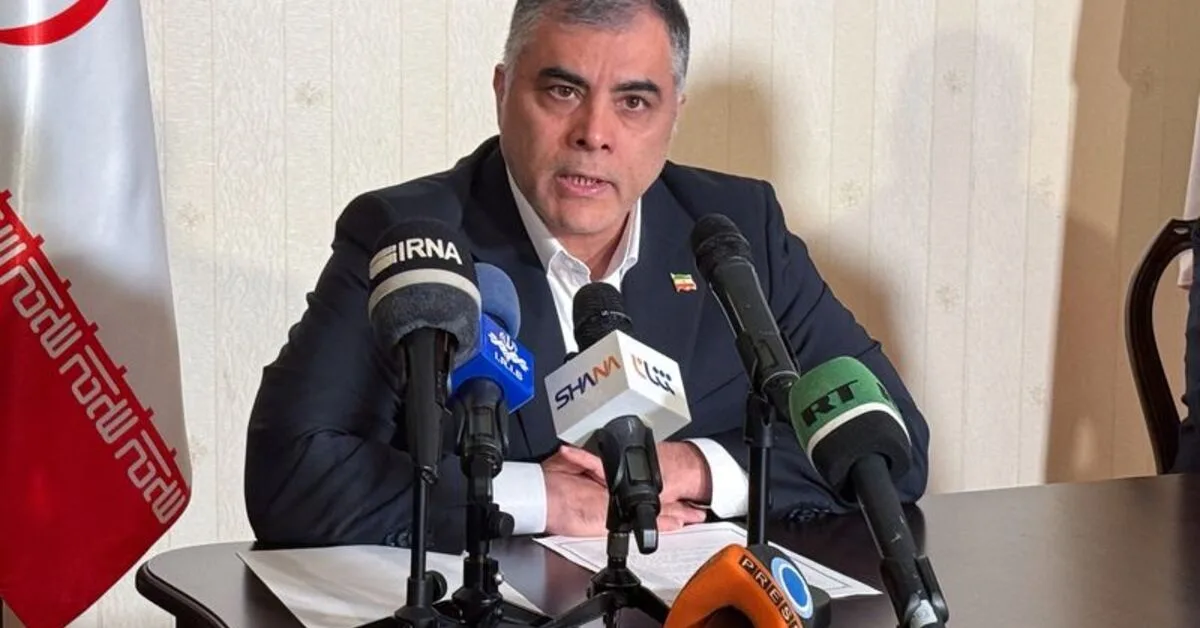
Mohsen Paknejad, the Oil Minister of the Islamic Republic of Iran, resigned from his position for personal reasons. This resignation comes at a time when the economic crises resulting from the seven-month war between Iran and the United States have put significant pressure on the country's economy.
Details of the Resignation
Paknejad, who had been serving as the oil minister since August 2024, decided to resign due to economic pressures and political developments. According to media reports from TabATABAI, the Deputy Communications of the President's Office, this resignation was raised "a long time ago" for personal reasons and was accepted by President Masoud Pezeshkiyar at Paknejad's insistence.
Read more: The Impact of Tether's USDT on Iran's Financing and Related Organizations
Economic Impacts
The resignation of the oil minister occurs at a time when the country is facing serious economic challenges and international sanctions. Before his resignation, Paknejad had stated that "the oil revenues we have sold are still coming in, and God willing, this trend will continue." These remarks reflect his hope for stabilizing the country's oil revenues in the current difficult conditions.
Hamid Bavarath, the CEO of the National Iranian Oil Company, has been appointed as the interim oil minister. Bavarath is expected to face the existing economic and political challenges in the oil and energy sector and strive to restore stability to this key part of Iran's economy.
Future Outlook
The resignation of the oil minister may have various consequences for the future of Iran's oil industry. While Bavarath has been introduced as the interim minister, it is expected that the government will quickly consider permanent options for this position. Recent political and economic developments in the country will clearly influence the government's future decisions and strategies regarding the supply and management of oil resources.
Given the high importance of the oil industry for Iran's economy, these changes may also affect the country's international relations. In this regard, monitoring global developments and interactions with other countries in the energy sector, especially regarding resource supply and oil sales, will be of great importance.
Read more: Iran Emphasizes Diplomatic Solutions After Trump's Peace Plan Rejection · Saudi Arabia and the Challenges of Oil Transfer Networks in the Strait of Hormuz