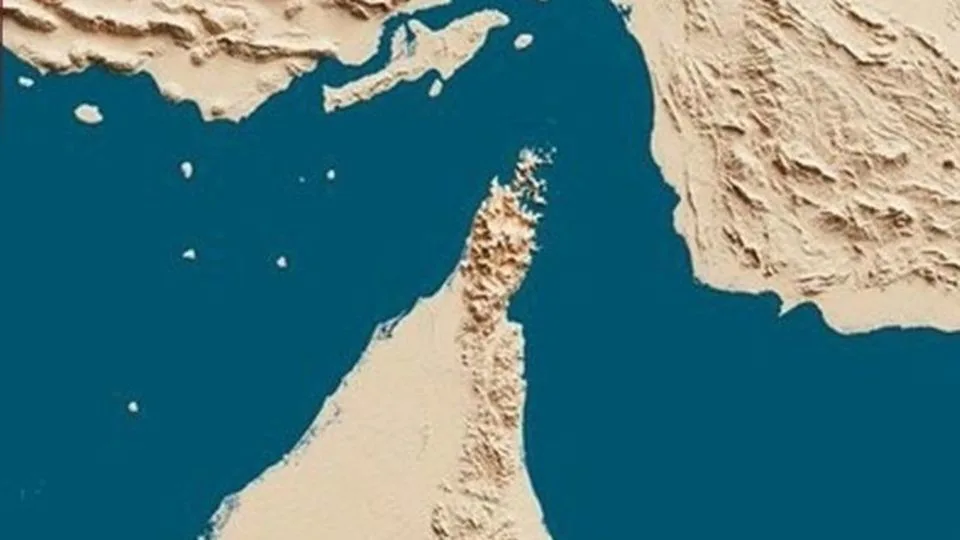
The "Strategic Action Plan for Ensuring Security and Sustainable Development of the Strait of Hormuz and the Persian Gulf" is currently under review in the Islamic Consultative Assembly of Iran. This plan was developed after the imposed war and following various proposals from representatives regarding management and sovereignty in the Strait of Hormuz. The goal of this plan is to create the necessary mechanisms for managing traffic in this region, which is recognized as one of the world's strategic maritime points.
Details of the Plan and Its Review Process
In a meeting held in Farvardin 1405 with the presence of Ali Nikzad, the Deputy Speaker of the Parliament, and the proposing representatives, various aspects of this plan were discussed. In this meeting, it was decided that different proposals regarding the Strait of Hormuz would be summarized into a more comprehensive plan. The National Security, Urban Development, and Interior Affairs Committees, along with various representatives, provided suggestions, which ultimately led to the plan being referred to the National Security and Foreign Policy Committee.
Read more: Iran considers the U.S. response to the proposal to reopen the Strait of Hormuz insufficient
This plan was officially announced in a public session of the Parliament on 22 Tir 1405 and was referred to the National Security and Foreign Policy Committee for specialized review. In Mordad, the main session of the committee for reviewing this plan was held, and its general principles were approved without opposition votes.
Economic and Security Dimensions of the Plan
The plan includes 16 articles, each addressing different aspects of managing traffic in the Strait of Hormuz. Article one focuses on creating a legal framework for managing vessel traffic and includes aspects such as navigation guidance, monitoring vessel entry and exit, and safety and environmental services. This article could lay the foundation for an Iranian management system for maritime traffic in the Strait of Hormuz.
Article two pertains to the development of marine infrastructure and services. This article emphasizes the necessity of creating port and marine infrastructure so that the Islamic Republic of Iran can provide the necessary services for passing vessels. Additionally, article three addresses the collection of fees for services provided to vessels. This action could enhance Iran's economic and service relations with other countries.
Another important article in this plan is article four, which relates to determining service and insurance tariffs. This article discusses how tariffs are set and their implementation mechanisms. Furthermore, article five refers to the requirement of obtaining bank guarantees and insurance against potential traffic risks.
Finally, article seven of this plan addresses the offending countries that caused damage to the Islamic Republic of Iran during the war. This article could assist in the restitution of damages and the safeguarding of Iran's rights.
Considering the various economic, legal, and security dimensions of this plan, it is expected that with its final approval, the Islamic Republic of Iran will be able to manage vessel traffic in the Strait of Hormuz more effectively and be recognized as a key player in this strategic maritime region.
Read more: Special security measures for Mohammed bin Salman in Saudi Arabia · Major General Ahmad Vahidi: Intervention by extra-regional powers in the Strait of Hormuz is prohibited