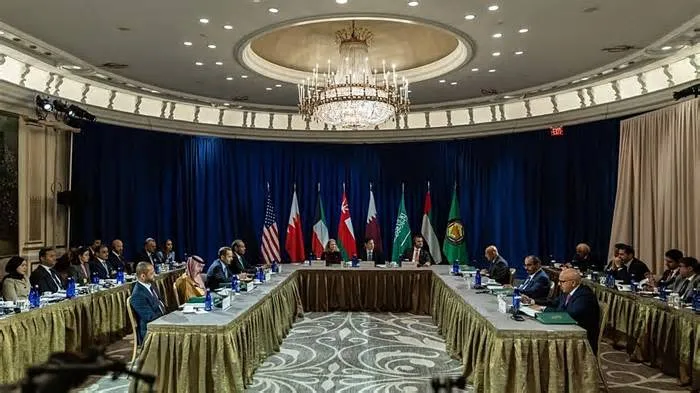
The rift in the Persian Gulf over Iran's future has become a serious challenge. The UAE, Qatar, and Saudi Arabia have each adopted different approaches to this issue, reflecting the diversity of opinions and concerns in the region.
Widespread Effects of War with Iran
Analysts believe that the consequences of any war with Iran are much broader than what is considered. This war will not only affect Iran itself but could also impact the stability of the entire Persian Gulf region. Given these issues, the countries in the region are striving to clarify their positions regarding this crisis.
Read more: Turkey and Qatar are negotiating to purchase Eurofighter jets
The United Arab Emirates, as one of the leading countries in the region, is seeking to strengthen economic and trade relations with Iran. This country believes that diplomacy and dialogue can lead to improved conditions and reduce tensions. The UAE specifically emphasizes infrastructure and economic projects with Iran and seeks to establish joint cooperation in areas such as energy and trade.
Qatar and Saudi Arabia's Approaches
On the other hand, Qatar has taken a different approach. This country, emphasizing support for oppressed nations, seeks to strengthen its role as a mediator in regional crises. Qatar believes that human rights and the interests of the Iranian people must be carefully supported, which is why it is pursuing diplomatic dialogues.
Saudi Arabia, given its security concerns, has adopted a more hardline approach. This country seeks to strengthen relations with the United States and other allies to exert more pressure on Iran and prevent its influence in the region. Saudi Arabia believes that decisive actions must be taken against any security threats.
These diverse approaches among the Gulf countries have led to deeper rifts in their relations. While the UAE and Qatar are pursuing diplomacy and dialogue, Saudi Arabia is following a military and security approach. This diversity in approaches could lead to increased tensions and instability in the region.
Ultimately, these disagreements and the diversity of approaches regarding Iran's future could have unpredictable consequences for the stability of the Persian Gulf. The countries in the region must seek to establish effective diplomatic channels to reduce tensions and maintain security in this area.
Read more: The U.S. has taken action to withdraw non-essential staff from its embassy in Saudi Arabia · Seyed Abbas Araghchi: Iran and the U.S. negotiations continue through intermediaries