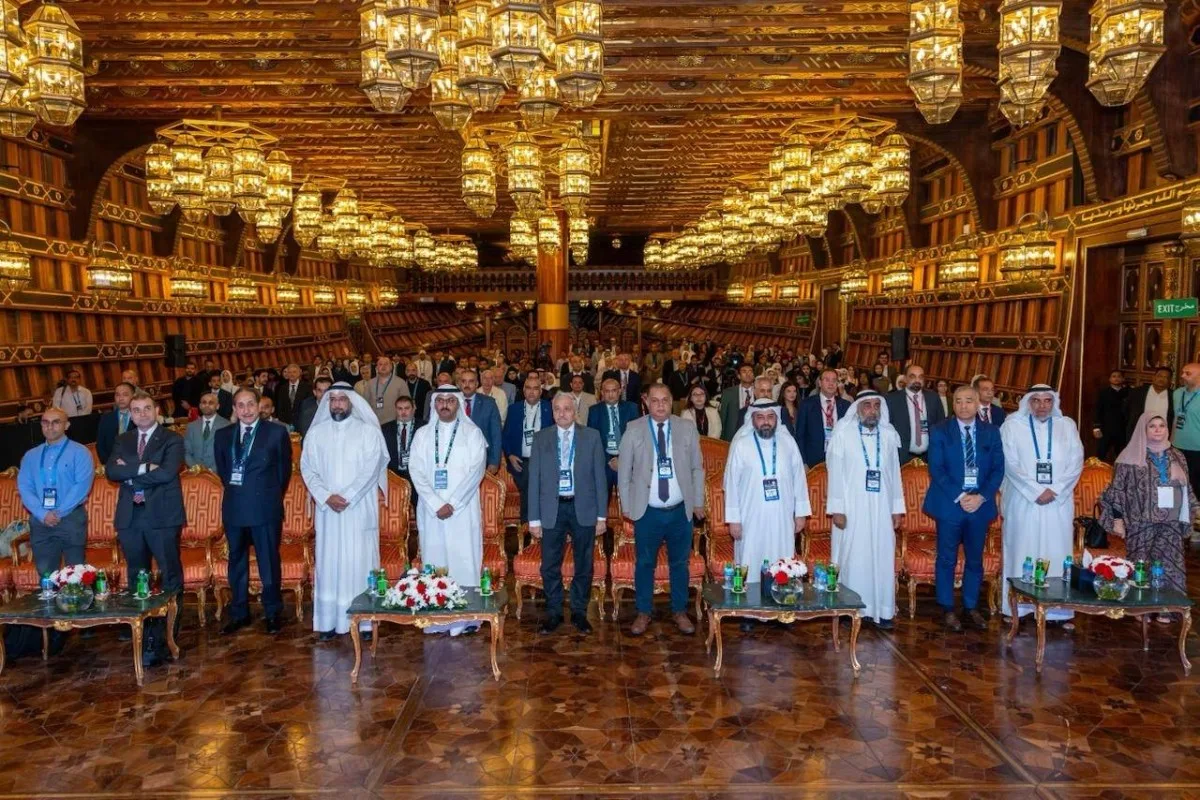
Sheikh Dr. Salman Al-Khalifa, Deputy Minister of Health of Kuwait, at the opening of the fourth Kuwait Obesity Conference, which was attended by surgeons, doctors, nutritionists, and other experts from inside and outside the country, emphasized the importance of using the latest medical technologies and modern pharmaceutical treatments for managing obesity.
Starting Obesity Treatment with Comprehensive Assessment
Sheikh Dr. Salman noted at the conference that obesity treatment does not only begin in the operating room but starts with a thorough and comprehensive assessment of the patient's condition. He emphasized that after this assessment, selecting appropriate treatment options and long-term follow-up should be prioritized.
Read more: The Sultanate of Oman participated in the WHO Regional Committee in Cairo
He also stated that bariatric surgery remains a vital and suitable option for patients whose condition requires this type of treatment. He added that modern pharmaceutical treatments, especially those based on glucagon-like peptide-1 (GLP-1), have expanded treatment options and contribute to an integrated approach that includes medical follow-up, proper nutrition, and physical activity.
Worrying Obesity Statistics Globally and in Kuwait
Sheikh Dr. Salman referred to estimates from the World Health Organization (WHO) and stated that one in seven people globally suffers from obesity. He estimated this number to be 940 million people, or 16% of the adult population.
Dr. Shahab Akrouf, the conference president, also emphasized that treating obesity is a shared responsibility and requires coordinated collaboration among various medical disciplines, including nutrition, internal medicine, family medicine, mental health, and surgery. He noted that the planning and monitoring of nutritional status and food services implemented by the Nutrition and Food Services Department produces an annual report each year. According to this report, about 75% of the population of Kuwait is affected by overweight and obesity, with a percentage of 30% in men and 35% in women.
Akrouf suggested launching a nationwide campaign through "Sahil," the electronic services application coordinated by the government of Kuwait. This campaign could help raise public awareness and promote a culture of healthy living in Kuwait.
Read more: Dr. Nasser Al-Quraini: Prevention of fractures caused by osteoporosis in Kuwait · Dr. Khalid Al-Saleh: One third of cancer cases can be prevented by lifestyle changes