The shuttle talks between the United States and Iran began on September 23, 2023, on the sidelines of the United Nations General Assembly in New York. This is the first official contact between the two countries in recent months, raising hopes for progress in the process of ending the Middle East war. However, neither side has announced any significant changes in their positions.
Details of the Talks
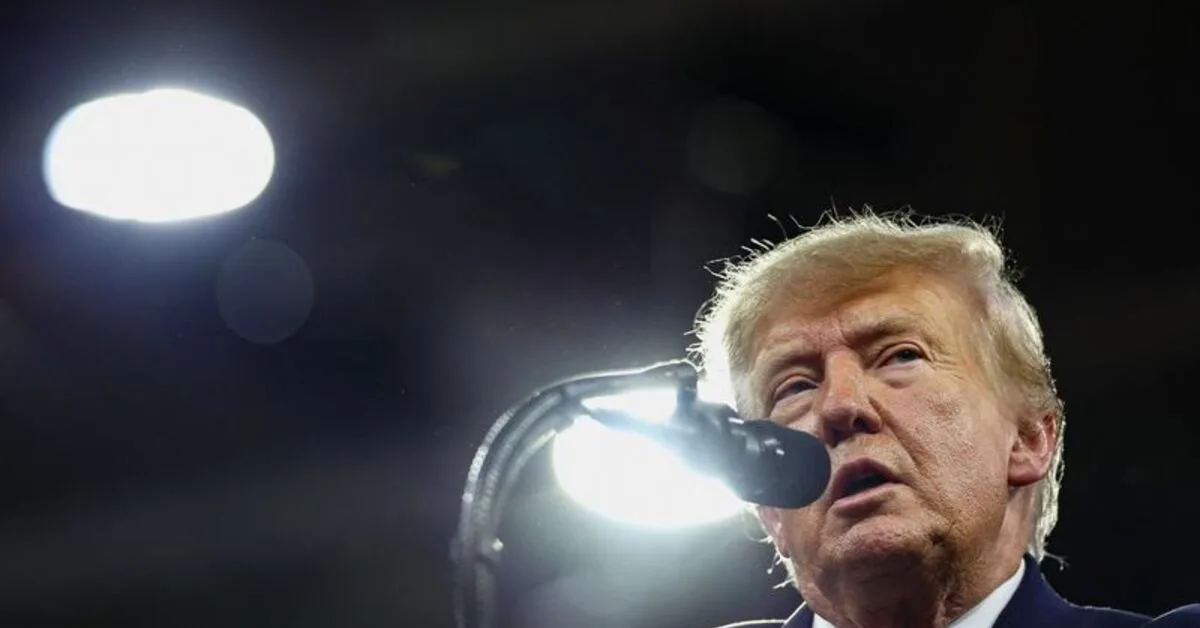
The Iranian Foreign Minister, Abbas Araghchi, and U.S. representatives, Steven Witkoff and Jared Kushner, communicated through intermediaries. These contacts come after the collapse of a temporary ceasefire agreement in July. Donald Trump, the President of the United States, stated: "Steven and Jared had a very constructive meeting with Iranian intermediaries today. Let's see what happens next." He also noted that negotiations are currently progressing rapidly and may lead to an agreement.
Read more: Possibility of Resuming Iran-U.S. Talks in New York
Iran's Position and Economic Consequences
The spokesperson for the Iranian Foreign Ministry, Ismail Baqeri, announced that Tehran has been in contact with the United States through a Qatari intermediary in New York and has proposed conditions for ending the war and stopping U.S. "aggressive actions." However, some domestic Iranian media reported that these meetings were not face-to-face and that Araghchi only met with the Prime Minister of Qatar, Sheikh Mohammed bin Abdulrahman Al Thani.
These diplomatic developments have helped maintain oil prices near their lowest levels in the past two weeks. Brent crude is currently slightly below the $100 per barrel mark. The war, which Trump initiated in February along with Israel under the title "Operation Epic Fury," has now lasted nearly seven months and has resulted in thousands of deaths and disruptions to global energy supplies.
Future Outlook
The Trump administration continues to reiterate claims that the war may end around the time of the U.S. midterm elections in November, although it does not provide specific explanations. Since negotiations broke down in July, both sides have frequently exchanged fire; however, Trump has refrained from returning to his heavy attacks.
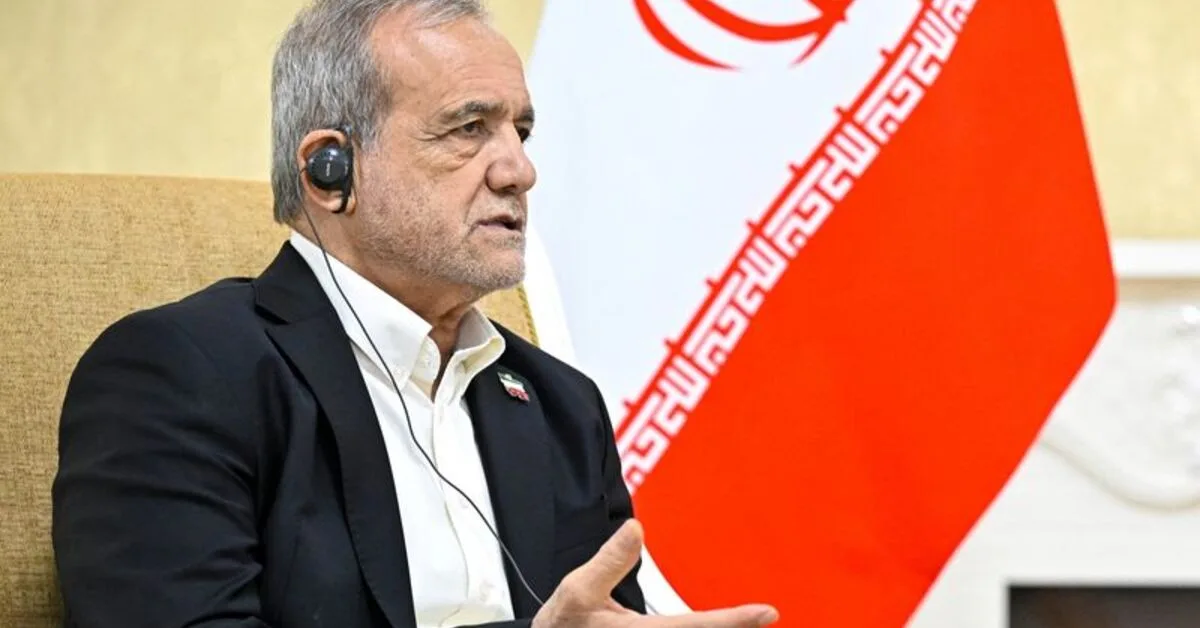
The temporary agreement signed in June between Trump and Iranian President, Masoud Pezeshkian, included Iran's main demands such as lifting financial sanctions and releasing assets in exchange for negotiations to limit the country's nuclear program. However, this agreement quickly fell apart due to disagreements over shipping rules in the Strait of Hormuz, which had previously been a channel for one-fifth of the world's oil and liquefied natural gas before the war.
Despite daily attacks on oil tankers, traffic in the Strait of Hormuz has gradually increased in recent weeks. Oil producers have paid significant costs to shipping companies to avoid potential problems. Exports from the United Arab Emirates have returned to pre-war levels, and Saudi Arabia has sold 60 million barrels of Gulf oil for delivery in the coming months.
Read more: Iran Announces Its Readiness to Reopen the Strait of Hormuz · The Sultan of Oman Congratulated the King and Crown Prince of Saudi Arabia on Saudi National Day