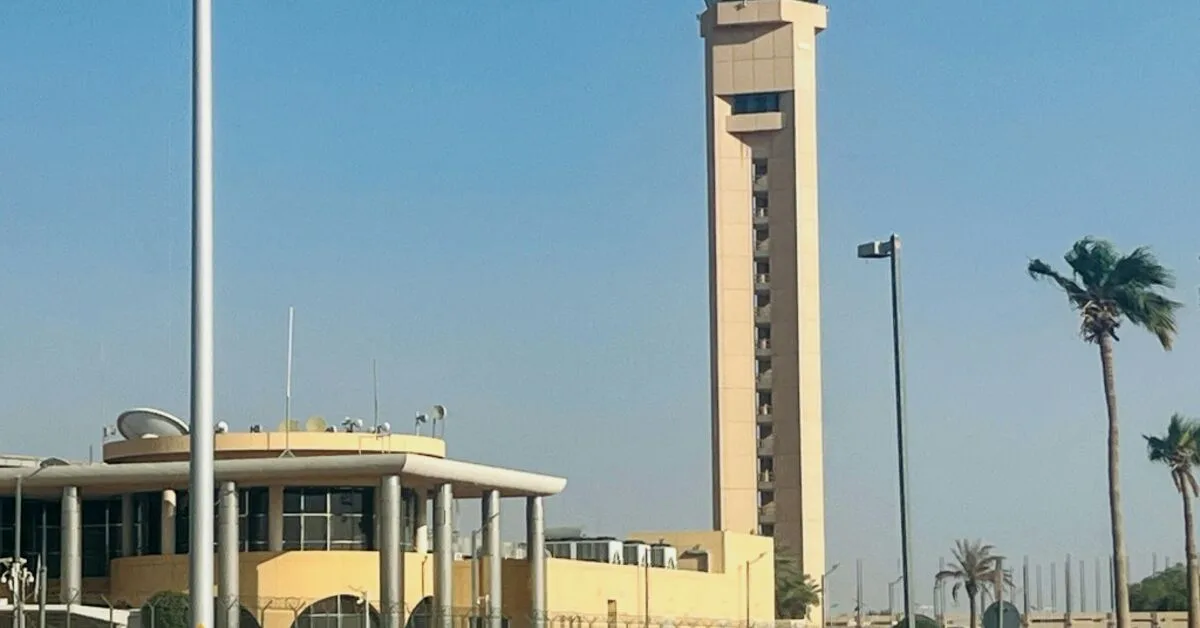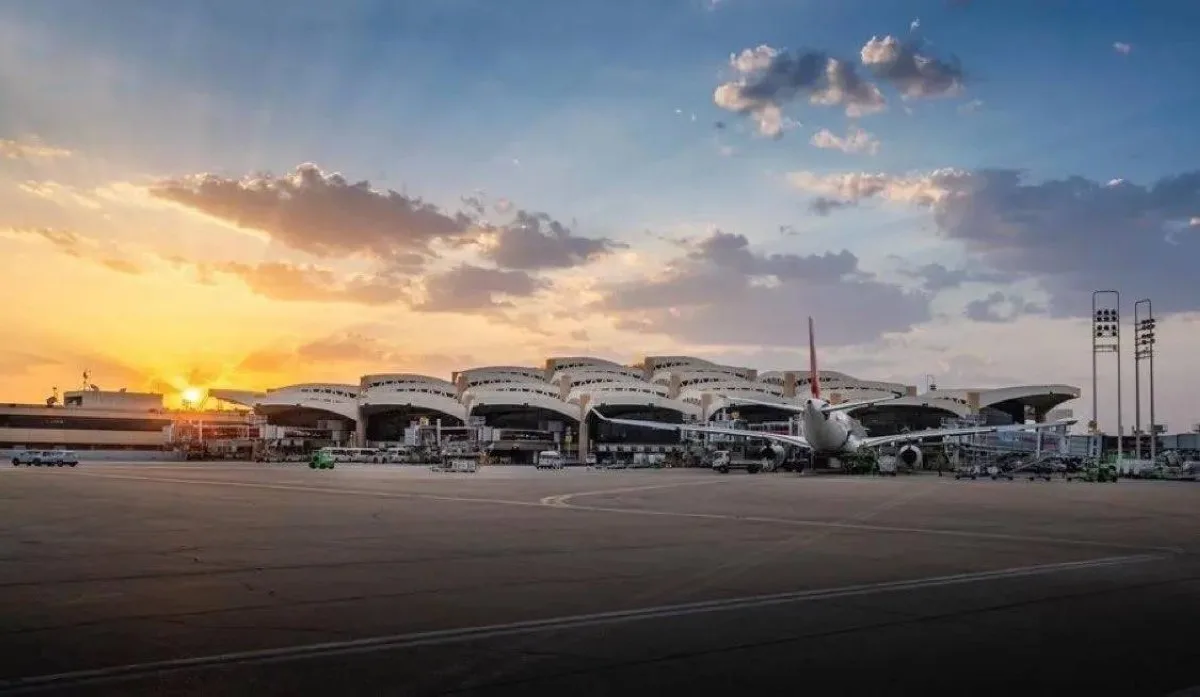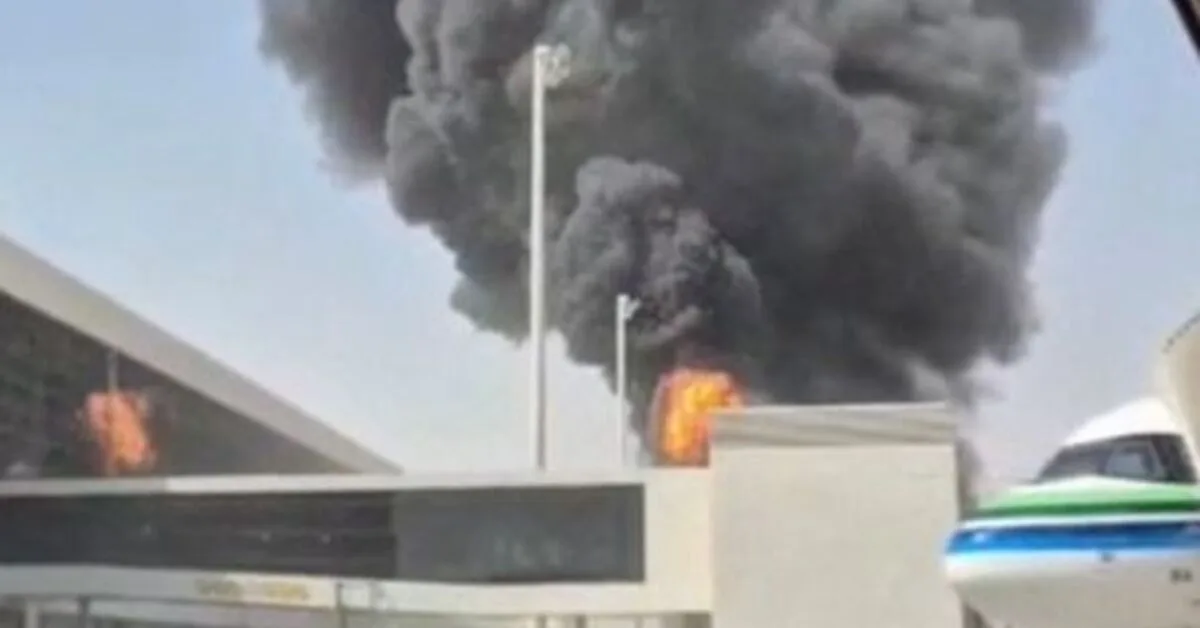
Saudi Arabia did not issue any public warnings about imminent military attacks in the days leading up to the deadly attacks on Riyadh Airport, which claimed at least 18 lives and injured over 300 people. This silence from the Saudi government comes at a time when preventive warnings were expected to be provided to the public.
Silence of Warnings and Its Consequences
The Saudi government has not provided an explanation for the lack of public warnings regarding the four recent attacks on Riyadh. These warnings served as a tool to project calm both domestically and globally, especially in the context of the war against Iranian-aligned Houthis. The absence of these warnings during the airport attacks has raised questions about the vulnerability of Saudi Arabia and its ability to protect residents and visitors.
Read more: Special Security Measures for Mohammed bin Salman in Saudi Arabia
Salman Al-Amri, a Saudi scholar based in the United States, said: "The Saudi government wants to maintain a sense of trust among the people and foreign stakeholders while conducting military operations." This approach may lead to an increased sense of insecurity in the country.
Reactions and Analyses
The Saudi Civil Defense Organization, which operates under the Ministry of Interior and is responsible for issuing preventive warnings, has not responded to requests for clarification regarding the lack of warnings. Regional experts also believe that this approach may lead to counterproductive results, as the absence of warnings increases distrust among the public.
On Monday, the Saudi Civil Defense Organization issued warnings for the first time since September 29 regarding potential threats in Riyadh and southern cities. However, it is unclear whether this decision was made due to the airport attacks. Nevertheless, the Saudi government has yet to respond to requests for comments on this matter.
While all Gulf countries have been affected by Iranian drone and missile attacks, the way governments handle public warnings varies. For example, Qatar's Ministry of Interior has issued SMS warnings before any attacks, and in Bahrain and Kuwait, sirens have sounded to alert people to take shelter.
Saudi Arabia launched a national warning system in May of this year, but despite the increase in Houthi attacks, this system remained silent until last week. The last warning before last week's attacks was issued on September 29 and pertained to the Najran province.
Meanwhile, while no public warnings had been issued this month, Riyadh has been attacked about a dozen times. During this period, Western embassies in the country have issued internal warnings to their staff.
Despite the attacks, Saudi Arabia hosted an international conference on Monday, although some senior oil executives chose not to attend. At the World Petroleum Council's Energy Congress in Riyadh, Prince Abdulaziz bin Salman, the Saudi Minister of Energy, emphasized Saudi Arabia's determination to continue its economic programs while acknowledging the risks.
Read more: Continued Hunger Strike of Political Prisoners in Bahrain's Jau Prison · Foreign Ministers of Saudi Arabia and Iran Discuss Regional Tensions