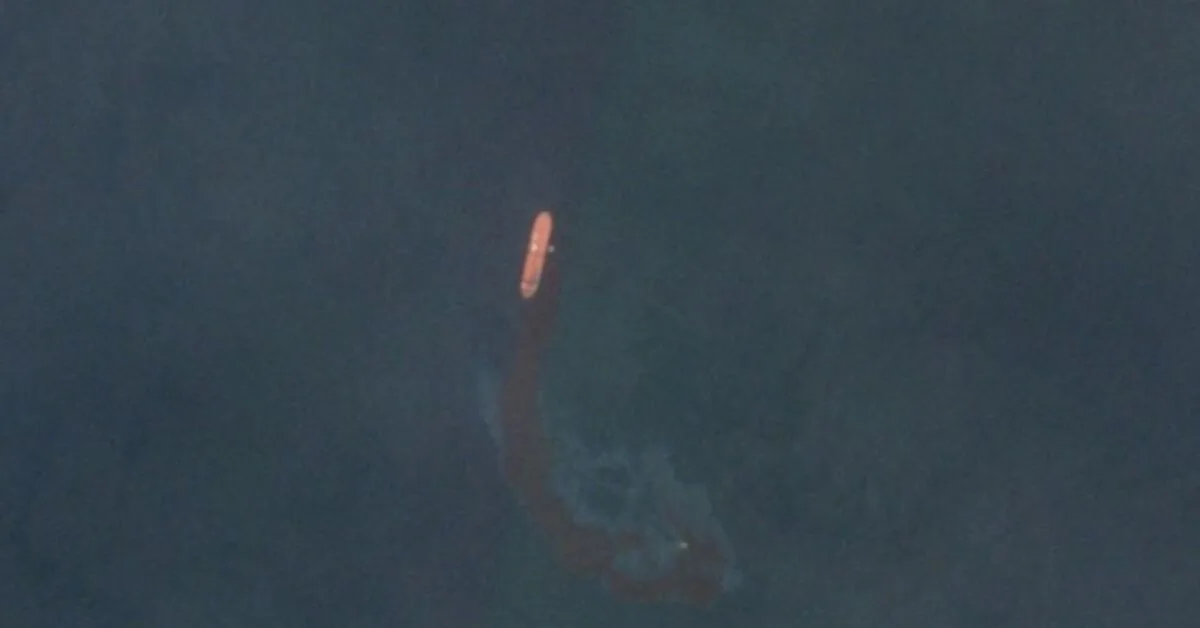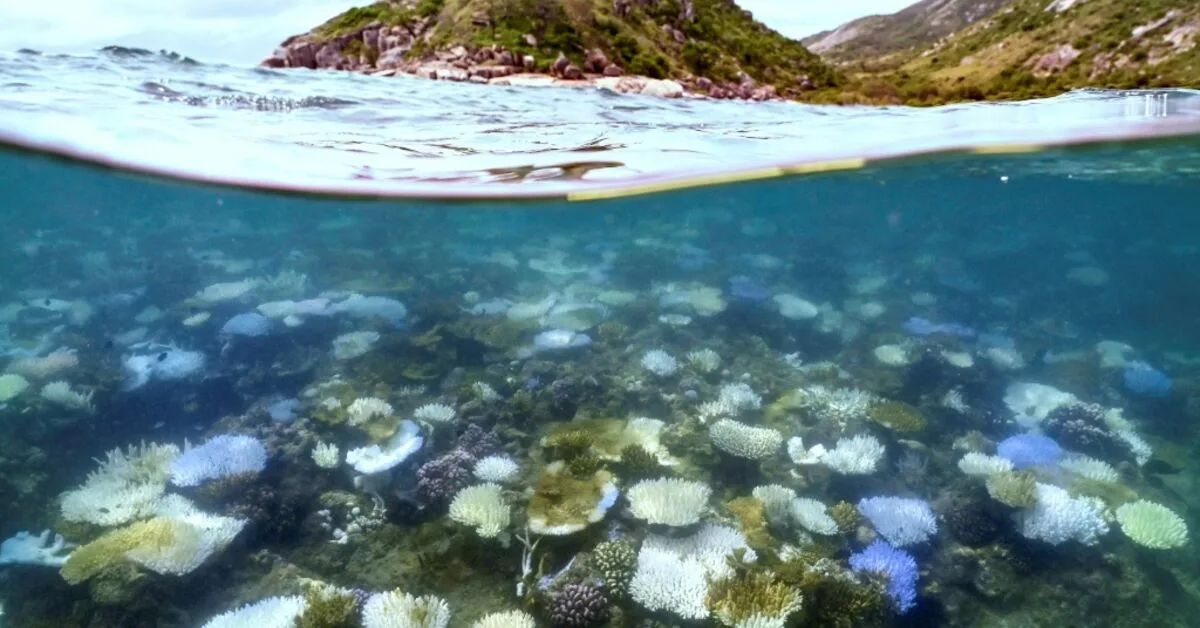
New research conducted by Sultan Qaboos University in Oman has investigated the environmental factors influencing the formation and movement of harmful algal blooms along the northern coasts of Oman. This research could help protect desalination facilities, fisheries, and aquaculture activities.
Details of the Research Project
The research project titled "Formation, Characteristics, and Displacement of Harmful Algal Blooms along the Northern Coasts of Oman" has been funded by the Strategic Research Program from the Research and Innovation Directorate in collaboration with the Ministry of Agriculture, Fisheries, and Water Resources. The project is led by Professor Sergey Debretsov, Chair of the UNESCO Chair in Marine Biotechnology at the College of Agricultural and Marine Sciences at Sultan Qaboos University.
Read more: Development of Scientific Collaborations in Marine Environmental Protection in the Persian Gulf
Professor Debretsov stated that harmful algal blooms frequently occur in the Sea of Oman and can impact fisheries and aquaculture, disrupt desalination facilities, and affect marine and tourism activities. The aim of this research is to improve understanding of the ecology of these blooms, identify the main environmental factors influencing their development, and examine how they move and spread along the northern coasts of Oman.
Research Findings and Recommendations
The findings of this research indicate that harmful algal blooms in the Sea of Oman are influenced by a complex combination of environmental and oceanographic processes. These factors include monsoon winds, ocean currents, coastal upwelling, and water discharge from the Arabian Gulf. Seasonal changes in water mixing and the thermocline, which separates warmer surface water from cooler deeper water, also affect the availability of nutrients and phytoplankton biomass.
Professor Debretsov also emphasized the importance of enhancing monitoring at the intake points of desalination facilities. He suggested that key indicators such as chlorophyll-a, turbidity, dissolved oxygen levels, and the presence of harmful algal species should be considered for early detection and rapid response.
In the context of fisheries and aquaculture, he recommended that site selection should be based on historical occurrences of blooms, water circulation patterns, and sources of pollution. Continuous monitoring of dissolved oxygen levels, temperature, salinity, and other water quality indicators can provide early warnings about the development of blooms.
This project has resulted in the publication of four papers in scientific journals and ten presentations at international conferences, as well as three workshops on harmful algal blooms and oceanography.
Read more: Holding an Environmental Legislation Conference in Southeast Oman · Trends in Oman's Refinery Product Production by the End of August 2026