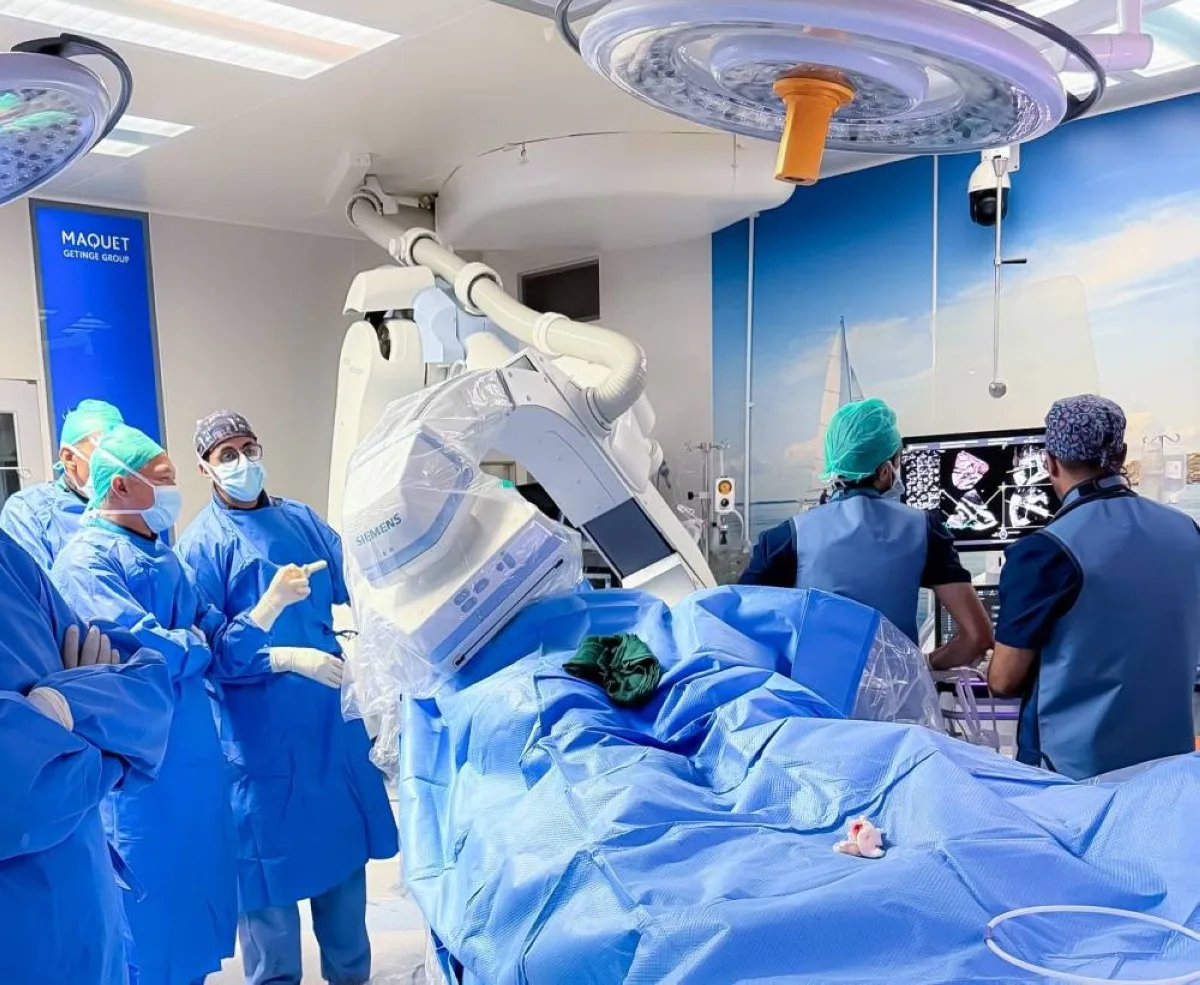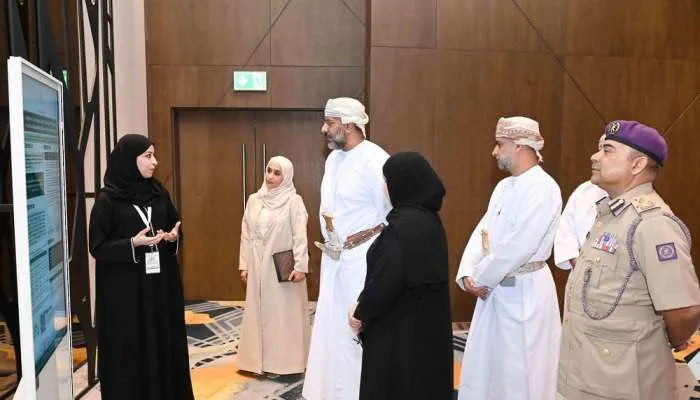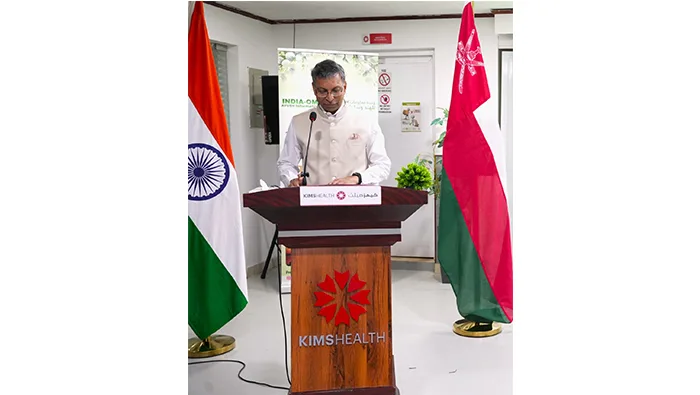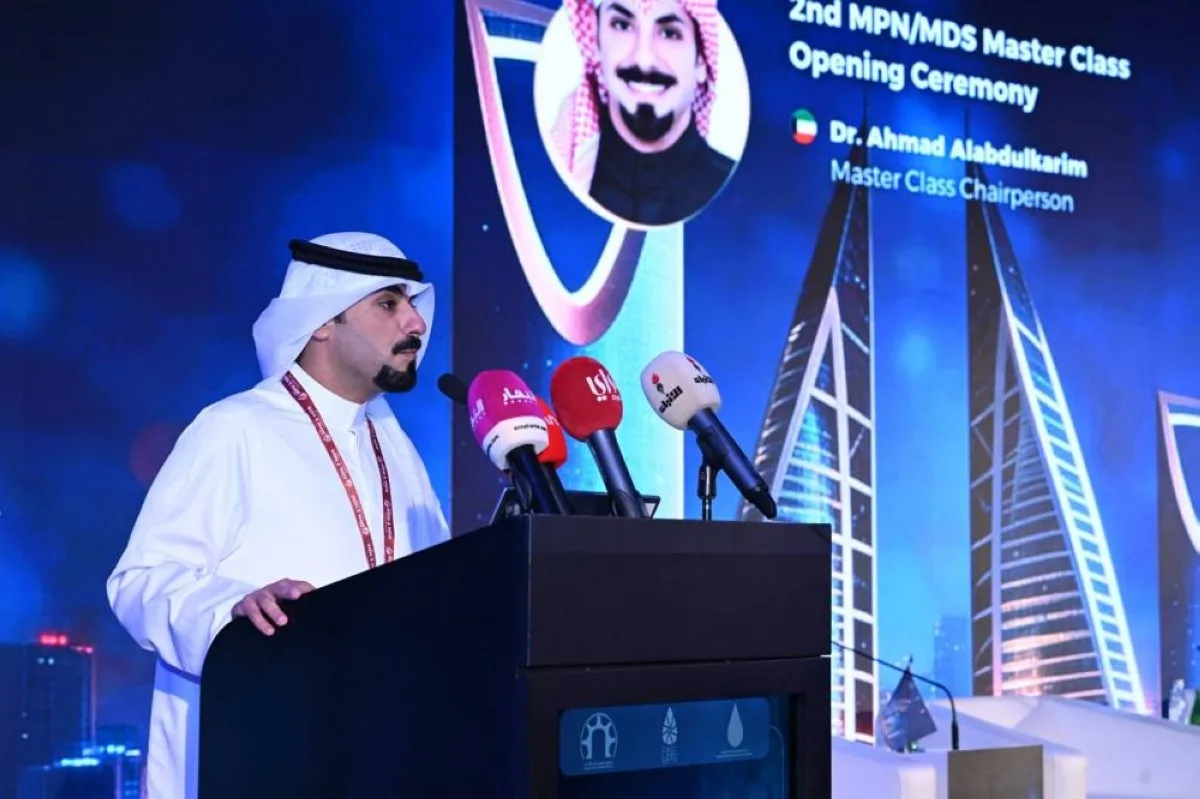
The Sultanate of Oman is continuously developing organ transplant services and strengthening the culture of donation as a humanitarian act that embodies the values of solidarity and sacrifice. These efforts provide patients and their families with renewed hope for life, and organ transplantation is considered one of the most prominent medical achievements that gives patients with advanced organ failure a second chance at life and improves their quality of life.
Organ Transplant Operations at Sultan Qaboos Hospital
Dr. Al-Warith bin Ahmed Al-Hashimi, head of the organ transplant department and consultant for liver and pancreas transplantation at Sultan Qaboos Hospital, referred to the statistics of the organ transplant program at this hospital for the period from January 2025 to August 2026. According to these statistics, the organ transplant department successfully performed 81 transplant operations, including 26 liver transplants and 55 kidney transplants. Additionally, the department responded to 1,116 activities for evaluating donors and recipients and 3,413 visits and consultations.
Read more: Lebanon's Minister of Health received medical devices as a gift from Oman
Types of Donation and Social Responsibility
Dr. Al-Hashimi explained that organ donation is divided into two main types: living donation and donation after brain death. The first type refers to individuals who can donate one of their kidneys or part of their liver. The second type refers to the use of organs from brain-dead individuals, which can include the heart, liver, kidneys, and lungs. These actions must be carried out in accordance with medical, legal, and religious regulations.
Dr. Al-Hashimi also emphasized the important role of Sultan Qaboos Hospital in the organ transplant system in the Sultanate of Oman, which provides integrated liver, kidney, and heart transplant services in collaboration with the Omani Center for Organ Donation Regulation and with the participation of specialized doctors and nurses. These efforts include thorough evaluations of patients and donors, preparation for surgeries, and continuous follow-up after transplantation.
He added that organ transplant coordinators play a central role in this process and must regularly communicate with doctors and other specialists and manage the various stages of transplantation. These responsibilities include holding internal meetings and reviewing the status of patients and donor applicants.
In conclusion, Dr. Al-Hashimi emphasized the importance of the culture of donation as a social responsibility and stated that the success of organ transplant programs is not only dependent on medical advancements but also requires community awareness of the importance of donation and understanding of the relevant processes and regulations.
Read more: Governments in the battle against assisted dying: How global laws differ? · The Sultanate of Oman emphasized the importance of sustainable pasture management on Arab Agriculture Day