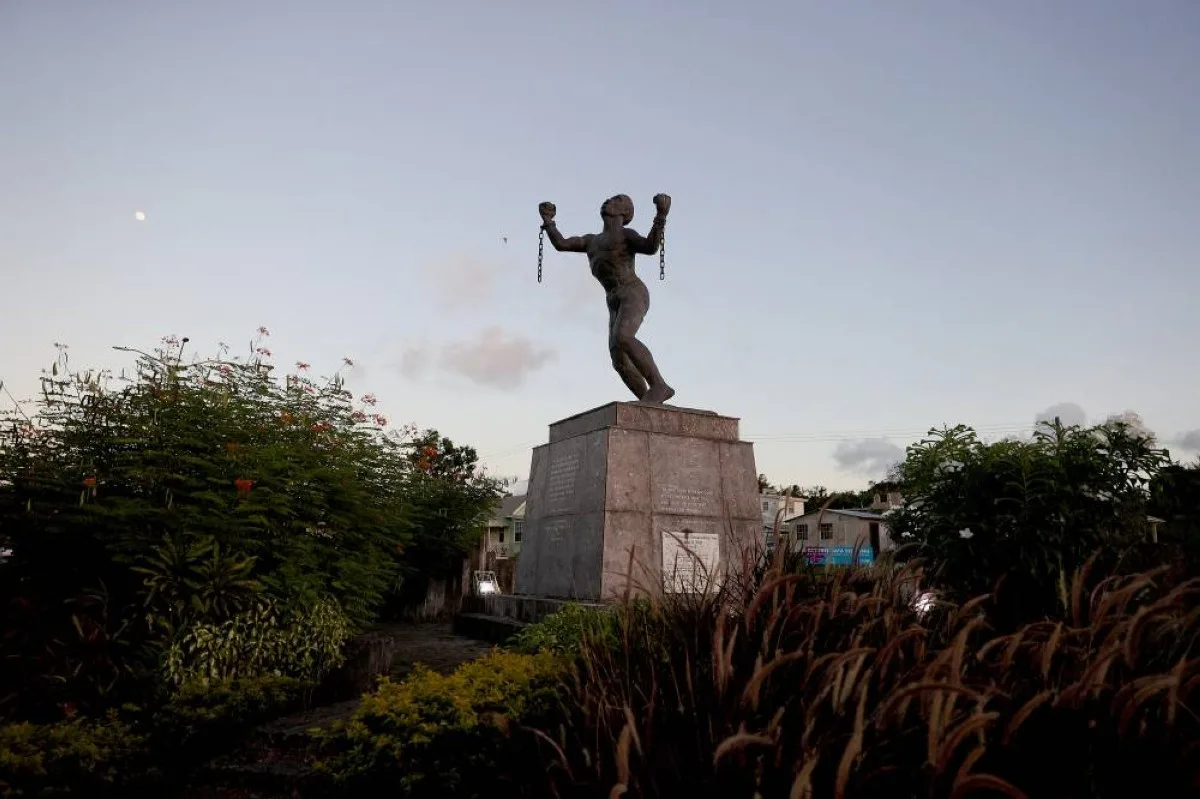
Prominent British families that profited from the slave trade have declared their support for Caribbean countries in their quest for compensation. The Gladstone, Lascel, and Trewlyn families, who have a history of producing prime ministers and aristocrats, have significantly amassed wealth from plantations in the West Indies and South America.
Apologies and Compensation Activities
Laura Trewlyn, a former BBC journalist, stated that she was unaware of her family's role in the slave trade until she became acquainted with an archive that listed compensation payments made to plantation owners after the abolition of slavery in Britain in 1833. She said, "I looked at the database and saw that there was a small island in the Eastern Caribbean called Grenada where various members of the Trewlyn family had applied for compensation for what they referred to as their property."
Read more: Libya: Dbeibeh announces readiness to address Egypt's maritime concerns
Trewlyn publicly apologized in Grenada in 2023 and established the "Slavery Descendants" group that advocates for "restorative justice." She and other family members have contributed around £100,000 ($133,000) as voluntary compensation for educational projects.
Britain's Position and Ongoing Efforts
Charlie Gladstone, one of the founders of this group and a direct descendant of William Gladstone, the 19th-century prime minister, also issued a public apology in Guyana in 2023. David Lascel, the Earl of Harrow, is another member of this group whose family has close ties to the royal family.
The British government reiterated its opposition to compensation payments last September. Modern royal families have expressed regret, but like the government, they have not yet issued a formal apology. This issue is likely to be raised during King Charles III's Caribbean tour, which begins Tuesday with a visit to the Bahamas.
Irffan Ali, the President of Guyana, emphasized that his country will continue to support compensation claims, calling the act "the worst humiliation of humanity." Ali called for a "mature" discussion on options including debt relief and funding for education, health, and climate change adaptation.
The Caribbean Compensation Commission (CARICOM) has called for financial reparations, debt cancellation, and a full apology. Next year, the British Privy Council will review a Jamaican request questioning whether the enslavement of Africans in Jamaica was legal under English law.
However, not all descendant families agree. Richard Drax, a former Conservative MP whose ancestors established Drax Hall estates in Barbados, opposes compensation, stating, "No one can be held responsible today for what happened hundreds of years ago."
Hillary Beckles, the head of the CARICOM Compensation Commission, estimates that up to 30,000 enslaved individuals died on the Drax plantations in Barbados and Jamaica over 200 years.
Read more: Increased security in Jordan after deadly attack on church · Meeting of Syed Badr with British official in London