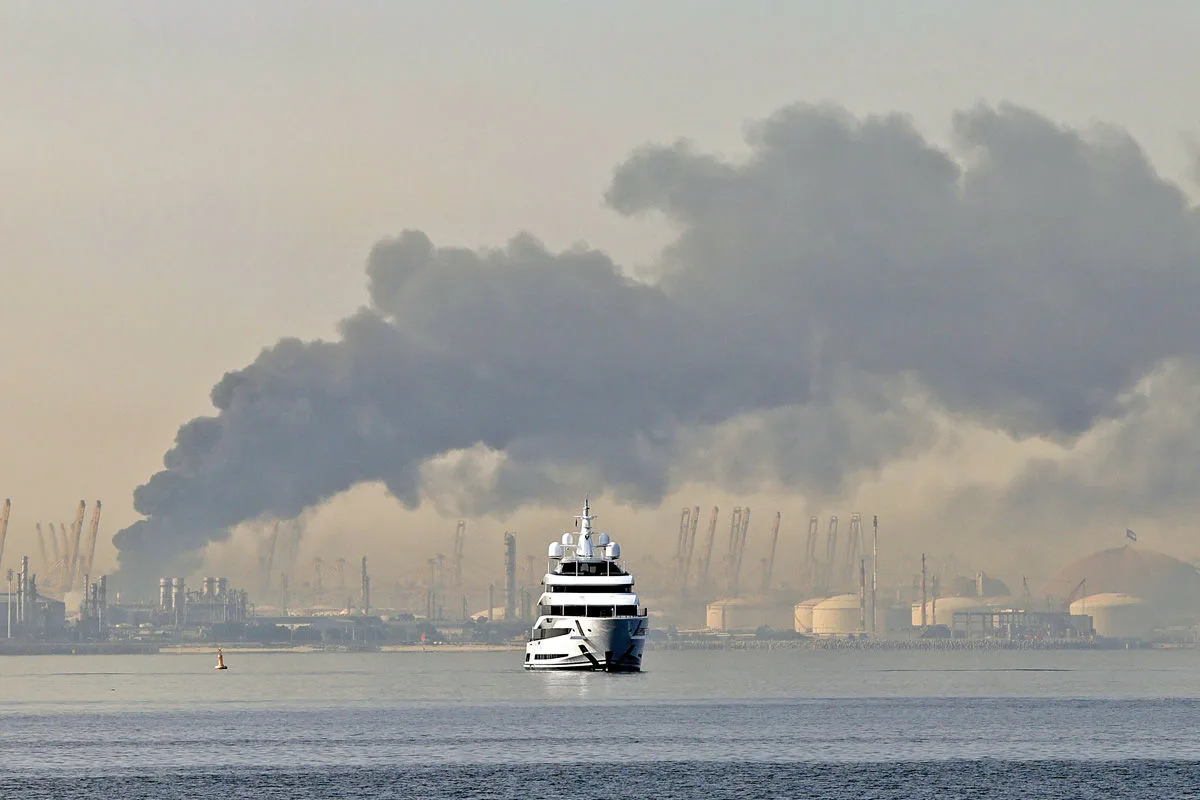
Iran, following the recent outbreak of war in the Persian Gulf, has achieved significant strategic gains. The initial goal of the United States and Israel in this war was the overthrow of the Islamic Republic or serious damage to Iran's nuclear and military capabilities. It was believed that by eliminating the threat from Iran, the groundwork for a new order in the region would be established, where normalization of relations between Israel and Saudi Arabia would advance, and the future of Palestine, Lebanon, and Syria would be framed within a new context.
Iran's Military Achievements
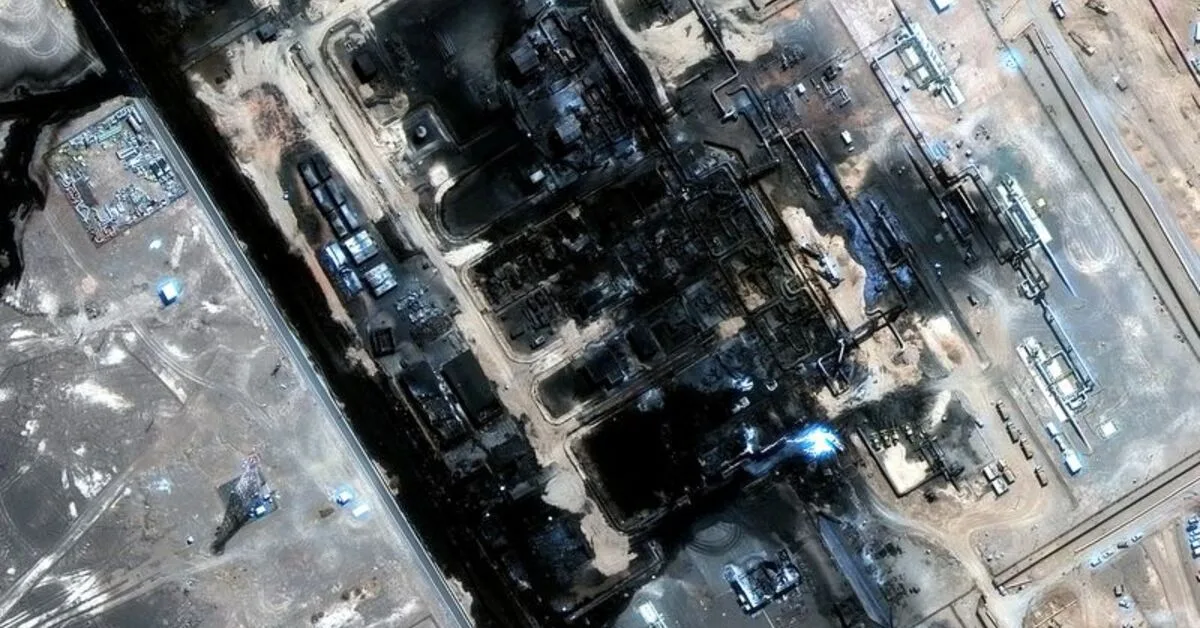
By adopting an effective strategy, Iran has managed to navigate through the toughest phases of the war and achieve important strategic gains. One of the most significant achievements has been striking at the military infrastructure of the United States in the region. Iran's missile and drone attacks on American bases throughout the Persian Gulf have included targeting aircraft, radar systems, and naval facilities. These actions have led to a reduction in American interceptor stocks and have transferred a significant portion of their forces and operations from Persian Gulf bases to Israel, Jordan, and Syria.
Read more: U.S. Energy Secretary: Saudi oil pipeline will return to normal within a few days
Impact on the Security of Arab Countries
These developments have not only had military dimensions but have also deeply fueled the concerns of the Arab Gulf countries regarding the value of American bases as tools for their security. These bases are now recognized as factors for instability and damage to infrastructure. For this reason, the future of the U.S. military presence in the Persian Gulf has become uncertain, and Iran has been able to create doubts about the return of these bases to the region.
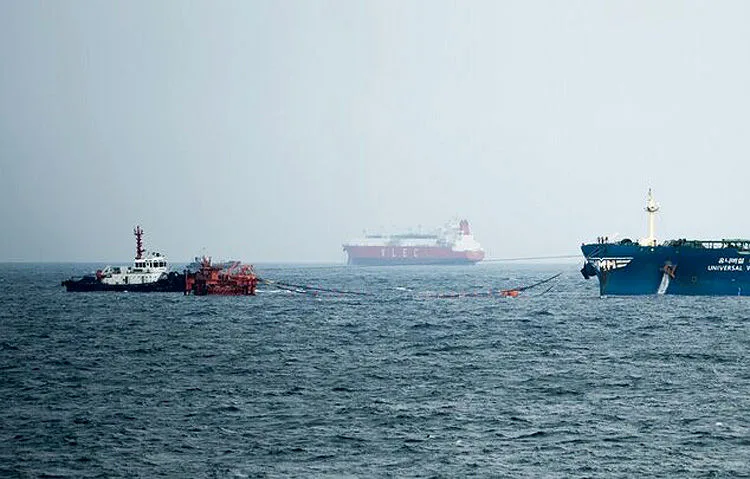
Additionally, Iran has sought to exert pressure on the global economy through the Persian Gulf and the Strait of Hormuz. This action has led to an increase in the prices of oil, gas, and other energy resources, raising serious concerns about economic recession and unemployment. In this context, the Strait of Hormuz has become the focal point of the conflict, and control over it has turned into a new reality that Iran is effectively exploiting.
Future Outlook for the Middle East
Nasr, a regional affairs analyst, believes that these developments will contribute to the reduction of U.S. dominance and the formation of a multipolar order in the Middle East. According to him, China will play a greater role in economic and diplomatic matters in the Persian Gulf, and other countries like Pakistan and even European powers will be compelled to adopt more independent positions due to their interests in energy and trade. This situation could strengthen Iran's position in the emerging regional order and help alleviate military and economic pressures on the country.
Given these developments, it seems that a new era of vacuum and transformation has begun in the Middle East, and Iran sees itself as a key player in shaping this new order.
Read more: The Sultanate of Oman proposed three new routes for natural gas exports · The United States imposed new sanctions on VTB Bank of Russia due to relations with Iran