Recent experiences show that the strategy of isolating or excluding Iran from regional equations is ineffective. Iran has deep structural ties and an unbreakable influence in Iraq, Syria, Lebanon, and Yemen. Therefore, achieving sustainable security in this region requires recognizing Iran's legitimate interests and integrating it into a new collective security structure.
Turmoil in the Arab East
The Arab East region has entered a period of compounded turmoil; where Israeli attacks, inter-state rivalries, Houthi movements (Ansar Allah), and the weakening of American support are intertwined. Managing the security of the East is no longer possible by sidelining Iran, as Iran is recognized as a key player in establishing order and stability in these areas.
Read more: Saudi Arabia Invited to Reconcile with the United Arab Emirates in Yemen
Washington's hesitation in guaranteeing the security of its partners, its direct war with Iran in 2026, and its failure to compel Israel to withdraw have undermined trust in old security pacts. Meanwhile, the revival of relations between Saudi Arabia and Iran mediated by China has shown that regional players are seeking alternative options.
Development of Security Cooperation
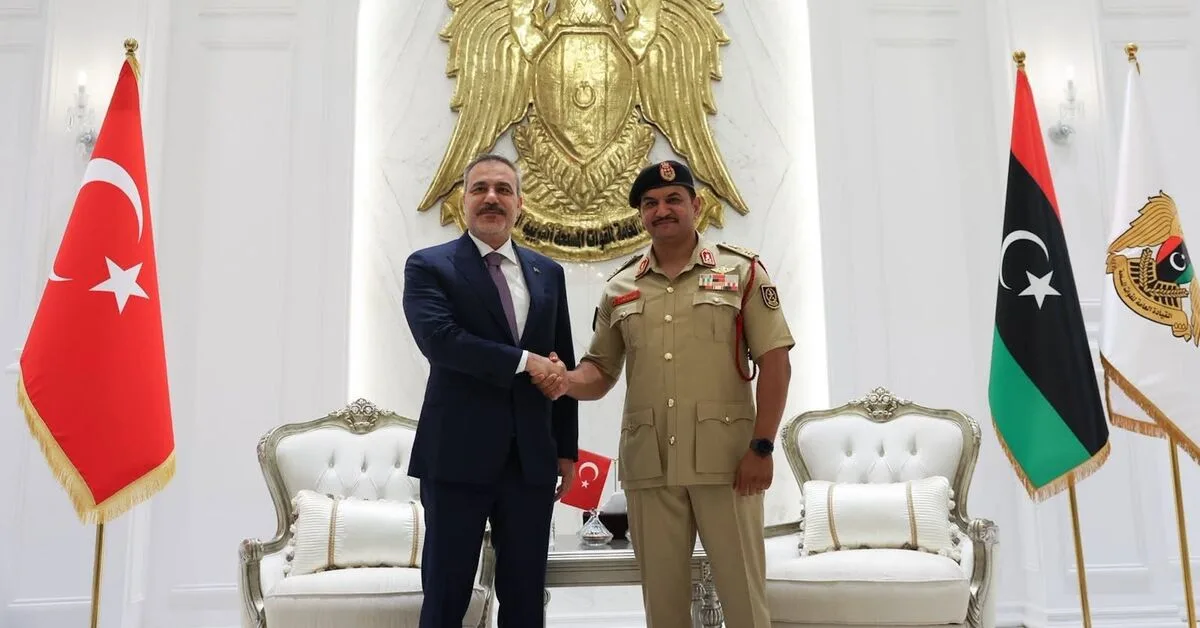
A defense agreement among Saudi Arabia, Pakistan, and Turkey may serve as a suitable starting point, but as long as Iran is treated as an external variable, this agreement cannot remain sustainable. To rebuild Syria, contain armed groups, and manage the Strait of Hormuz, comprehensive security arrangements that include Tehran are necessary.
In fact, the security of the Arab East depends on a dual approach; the first is to contain Iranian threats and the second is to recognize its legitimate interests and integrate this country into a broader regional order. Without such integration, any new structure will merely reproduce past instability.
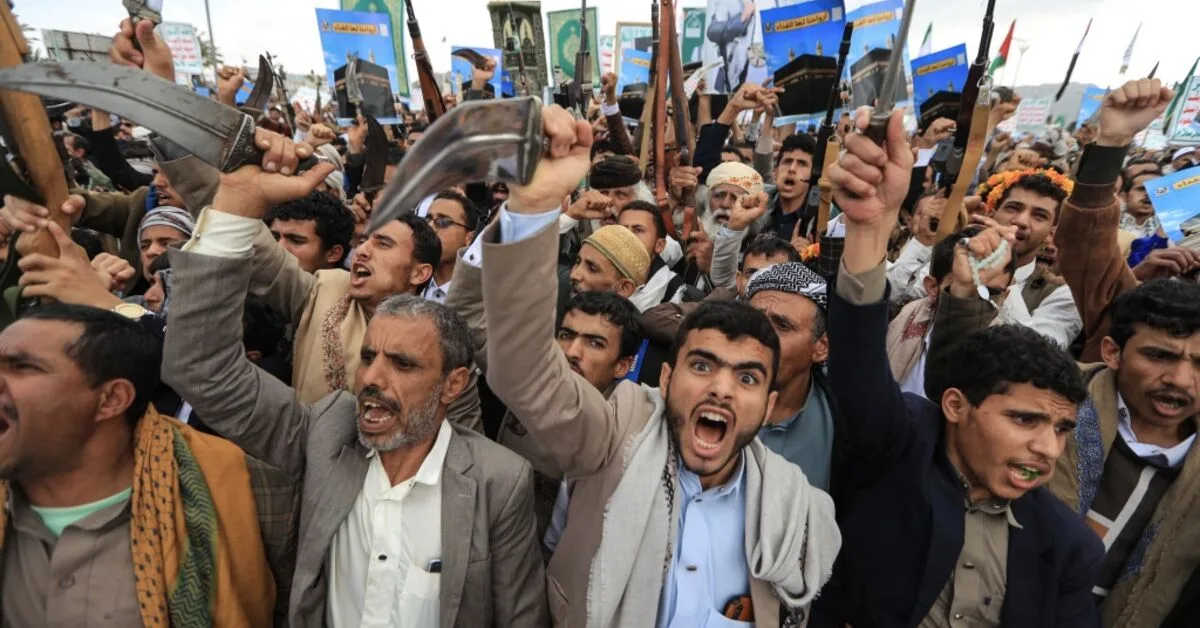
The countries of the Arab East are currently facing broader crises with various dimensions; including the war between Israel and the Palestinians and inter-state conflicts. The escalation of the conflict in Yemen and the dominance of Ansar Allah over Bab al-Mandab is also seen as a manifestation of this turmoil.
The weakening of American support and the loss of regional trust have clearly manifested in recent crises. This crisis must be understood within the framework of America's security role in the Middle East. After World War II, the United States took on the primary responsibility for regional security, and following the weakening of this role, countries in the region are seeking new solutions.
Ultimately, these developments and the weakening of America's role indicate what could replace it. Greater reliance on China as a new player, while it may be beneficial, cannot actually take on the responsibility for regional security.
Read more: Chatham House: The War in Iran Affected the Security Order of the Persian Gulf · Execution of Two Iranian Men Following Nationwide Protests in January