The Iran war, which has now entered its seventh month, has had profound effects on the resilience of the global energy market and has severely compromised the conditions for oil and gas producing countries in the Gulf. This war, in addition to disrupting energy exports from Saudi Arabia and Qatar, has led to rising oil prices and financial pressures on the global economy.
Increased Tensions and Damage to Infrastructure
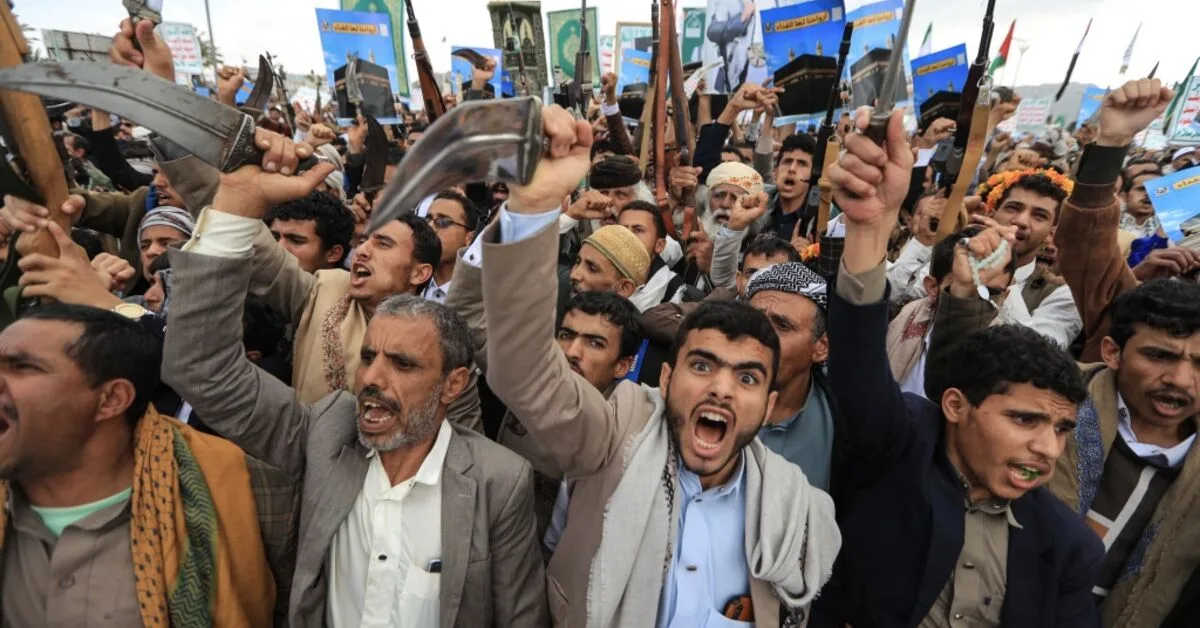
Recent attacks on the East-West pipeline in Saudi Arabia and the advance of the Houthis near the Bab al-Mandab Strait indicate an escalation of tensions and threats against the energy infrastructure of this region. These developments could exert further pressure on the global oil market and have broader consequences for the global economy. Last week, following a new wave of attacks, crude oil prices rose to $109 per barrel. During these attacks, Iran targeted 10 oil tankers near the strait, and the United States also retaliated by attacking five Iranian tankers.
Read more: Rapid and Dangerous Advance of the Houthis in Yemen
Damage to Energy Exports and Financial Impacts
Qatar's liquefied natural gas (LNG) exports have significantly decreased in the first six months of the conflict, with the country managing to export only 18 shipments during this period. In the same period in 2025, 509 LNG shipments had been exported. Saudi Arabia has also reported that its crude oil production has fallen to levels not seen since the 1990s. These issues have forced Gulf countries to resort to time-consuming and costly methods to meet their customers' needs.
The financial situation of the Gulf Cooperation Council member countries has also been affected by this war. Saudi Arabia has been compelled to seek foreign loans, and Qatar has had to cut its operational costs. Globally, the European Central Bank and the Federal Reserve of the United States have also raised interest rates due to pressures arising from the war.
Future Outlook and Efforts for Negotiation
Economic pressures on regional actors may push them towards negotiations with Iran. Talks scheduled for September 14 regarding an agreement on the Strait of Hormuz were postponed following the attack on the Yanbu pipeline. However, the ongoing escalation of tensions may lead regional countries towards reaching an agreement with Iran that will not necessarily encompass all of the security and economic priorities of the United States.
Recent developments indicate that the longer this conflict continues, the greater the likelihood of further damage to energy infrastructure and global energy trade. This war, which initially began as a preemptive strike, has now turned into a large-scale crisis management operation to stabilize global energy markets. This situation has not only affected Gulf producer countries but has also had repercussions on financial and economic markets worldwide.
Read more: Sharp Dialogue of Iran's Foreign Minister with Oman Regarding Regional Developments · Trump's Meeting with Arab Leaders Regarding Iran