The Gulf countries, including Saudi Arabia, the United Arab Emirates, Qatar, Kuwait, Oman, and Bahrain, act as key players in the international trade arena. The geostrategic position of this region at the crossroads of three continents—Asia, Africa, and Europe—along with vast oil and gas reserves, has provided a strong economic and commercial foundation for these countries.
In recent decades, these countries have sought to reduce their traditional dependence on oil revenues and establish themselves as global trade hubs by implementing economic diversification programs and developing advanced logistical infrastructures. These developments have not only impacted the regional economy but also play a significant role in the global supply chain and international capital flow.
Read more: Progress of the Free Trade Agreement between India and New Zealand Towards Implementation
Natural Advantages and Strategic Position
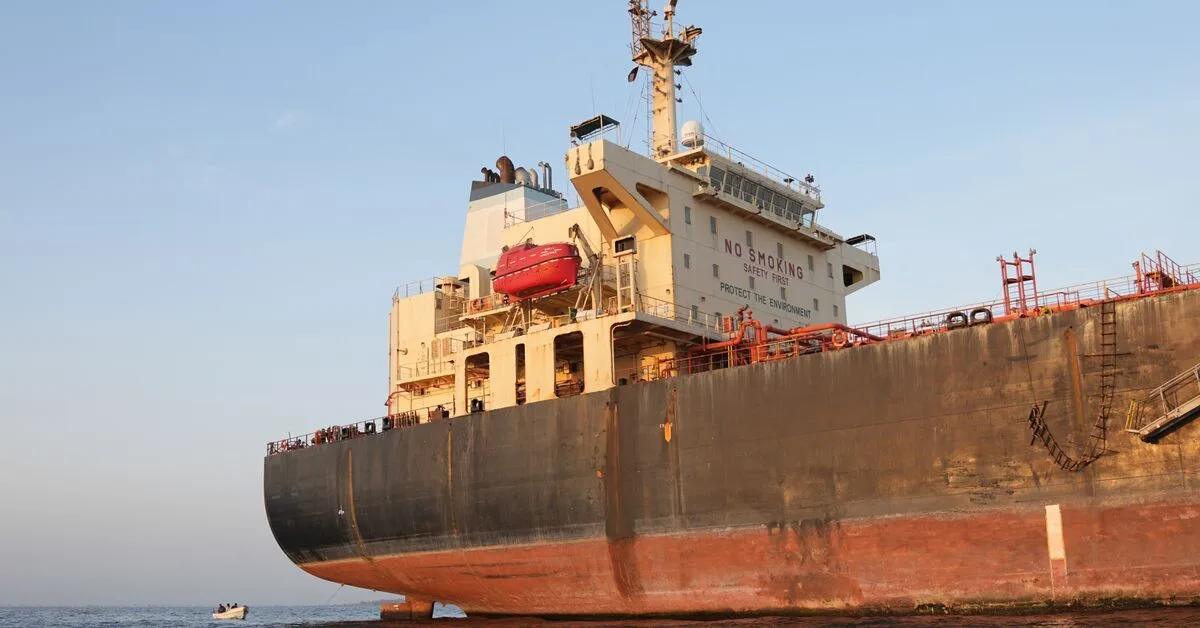
The unique commercial geography of the Gulf region, as a communication artery between East and West, has always been one of its most important competitive advantages. Over one-third of the world's maritime oil transit occurs through the Strait of Hormuz, which adds to the sensitivity and strategic importance of the region. Countries like the UAE have been able to make the best use of this geographical position by developing massive port infrastructures like Jebel Ali in Dubai.
Transformation in Trade Patterns and Diversification Strategies
The reduction of dependence on oil and the development of non-oil sectors in Gulf countries, recognizing the vulnerabilities of single-product economies, have led them to initiate long-term programs since the 1990s to decrease reliance on oil revenues. Saudi Arabia's Vision 2030 is a prime example of this strategy, aiming to increase the private sector's share in GDP and boost non-oil exports. Similarly, the UAE has successfully developed its tourism, finance, and trade sectors.
The establishment of free trade zones with flexible trade regulations and tax exemptions has been one of the most successful strategies of Gulf countries to attract foreign investment and develop non-oil exports. These zones play a significant role in facilitating international trade by providing integrated infrastructures and efficient services.
Future Challenges and Opportunities
Despite efforts to diversify, many of these countries still depend on oil revenues. A decrease in global oil demand could have significant impacts on the trade balance and budgets of these countries. In response to this challenge, countries like Saudi Arabia and the UAE have begun significant investments in solar and green hydrogen energy to maintain their share in the future energy market.
Ultimately, Gulf countries, leveraging their natural advantages and strategic position, are currently on the path to becoming global trade hubs. However, the challenges they face necessitate continuous updates to their economic and trade strategies.
Read more: Meeting of the Syrian President with the UAE President to Strengthen Economic Relations · The United States Government is Hopeful for the End of the War with Iran