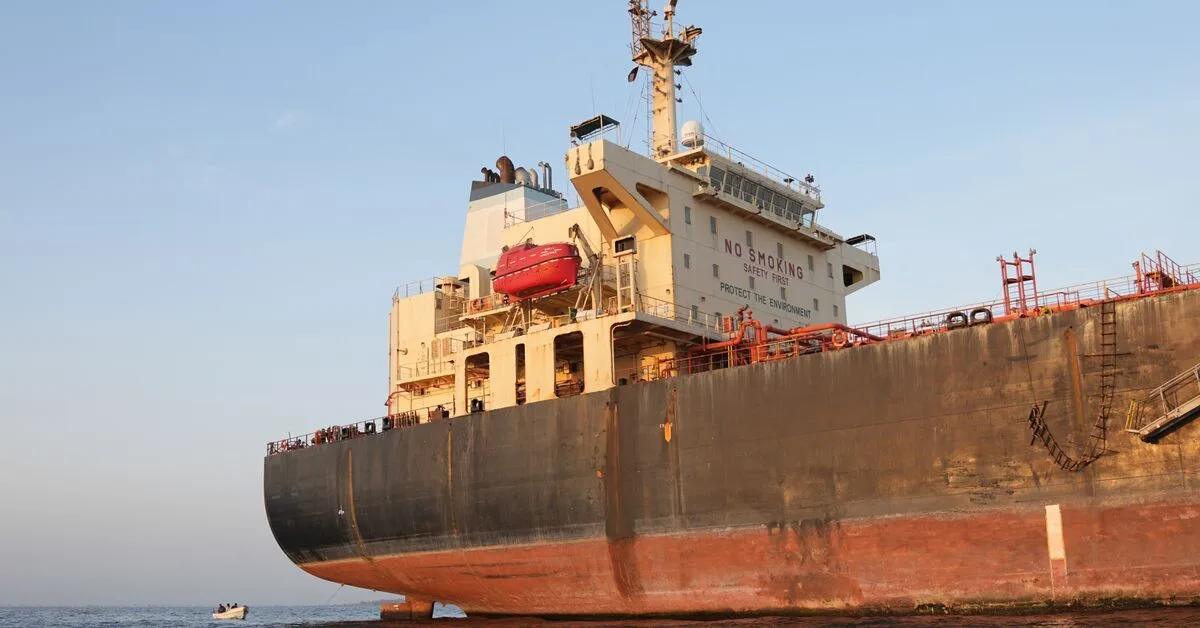
The Saudi Arabian state oil company, Aramco, has developed an operational plan to export approximately 60 million barrels of crude oil from the "Ras Tanura" terminal in the Persian Gulf for the months of September and October. These shipments will be sent via "Ship-to-Ship Transfer" operations at the shores of "Sohar" in Oman instead of direct transfer from the Red Sea.
Details of Ship-to-Ship Transfer Operations
In ship-to-ship transfer operations, oil is transferred from a supertanker (Mother Vessel) to smaller tankers at anchor to allow for discharge at ports with shallower depths or to manage the supply chain in emergency conditions. This action is particularly aimed at compensating for the decline in oil exports from the "Yanbu" terminal in the Red Sea, which has experienced operational interruptions following attacks on the "East to West" pipeline.
Read more: Holding a Technical and Vocational Training Seminar in Private Schools in Oman
Impact on the Market and Buyers
This increase in supply has recorded an average of 1 to 1.5 million barrels per day, a figure similar to or slightly above that of August. Reports indicate that following Saudi Arabia's efforts to restore 50% of the capacity of this pipeline and continue supply to Asian customers, global oil prices fell by more than $1 per barrel in Friday's trading.
Trade sources have stated that Chinese and South Korean refineries are major buyers of these spot shipments, while part of the volume will also be sent to India and Japan. Given the effective closure of the Strait of Hormuz and the control of Bab el-Mandeb by the Houthis, some Gulf countries have chosen to transfer oil barrels in the shadows as a strategy to escape the blockade.
Although this action guarantees energy security for Asian buyers (China, South Korea, India, and Japan), it has led to pressure on maritime transport markets. The Japan Petroleum Association (PAJ) has emphasized that the refineries in the country have secured sufficient reserves until November. Shunichi Kito, the head of this association in Tokyo, noted that the transfer operations outside the Strait of Hormuz could help meet future needs.
Read more: Participation of the Government Financial and Administrative Audit Organization in the Capacity Development Workshop in Project Financial Management · Increasing Competition between Saudi Arabia and the United Arab Emirates