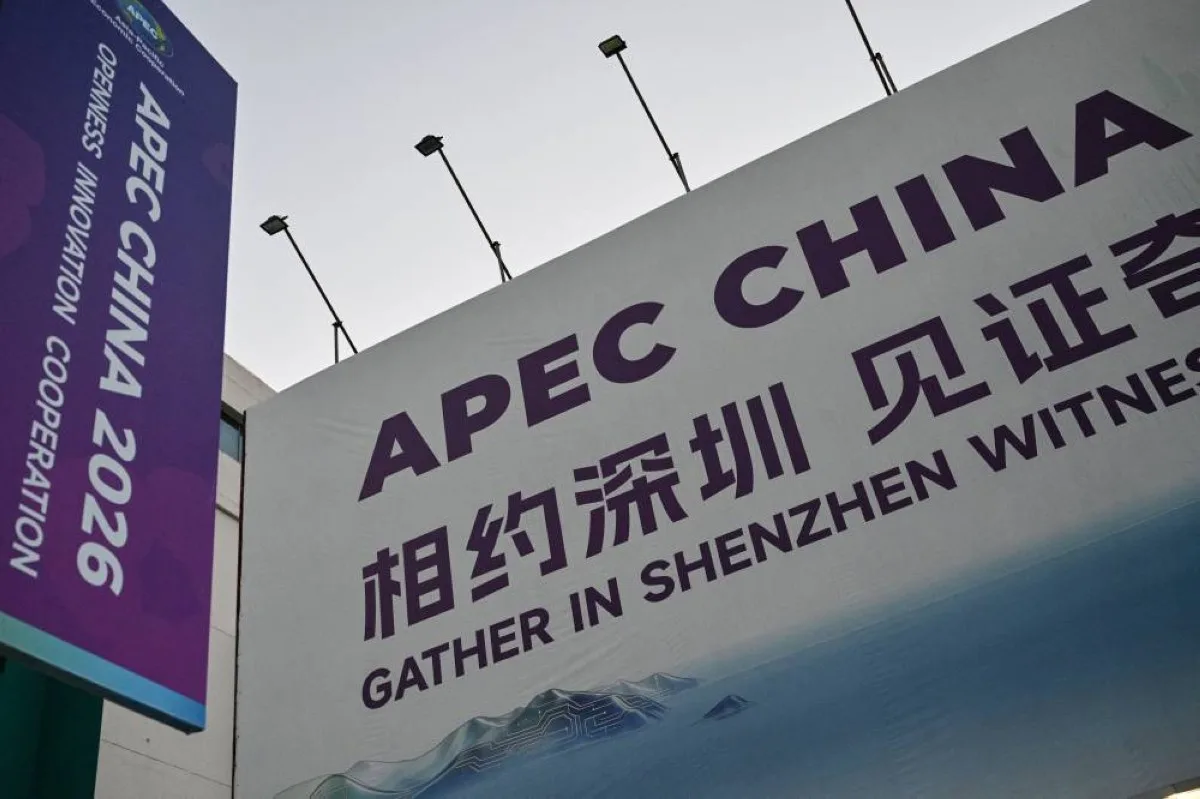
The United States and China held candid discussions on Friday regarding their strained trade relations. These talks occurred ahead of the Asia-Pacific Economic Cooperation (APEC) summit, which will be held in mid-November in China. Senior U.S. officials, including Treasury Secretary Scott Bessenet and Trade Representative Jamison Greer, spoke by phone with Chinese Vice Premier He Lifeng to discuss last year's economic and trade commitments.
U.S. and China Concerns
The U.S. side emphasized the importance of full and immediate implementation of China's commitments and raised concerns about China's recent actions. According to the U.S. Treasury Department, Bessenet stressed that ongoing progress depends on tangible results, and the United States will closely evaluate the implementation of this agreement.
Read more: Global refinery inputs drop by 6% amid Middle East tensions
On the other hand, He Lifeng also expressed serious concerns about the recent restrictive economic and trade actions by the United States. According to a Chinese media report, these talks were described as candid, deep, and constructive. Both sides agreed to manage their differences properly and work towards promoting a sustainable trade relationship.
Busan Agreement and Its Implications
The U.S. statement referenced commitments made by China in October 2025 during the APEC summit in Busan, South Korea, during the meeting between Presidents Donald Trump and Xi Jinping. This agreement helped reduce tensions following the exchange of increased tariffs between the two countries in early 2025 and included the purchase of soybeans from the United States until 2028, the suspension of new export controls on rare elements, and the issuance of general licenses for the export of these materials.
The initial agreement was for one year, but both sides extended the ceasefire until January 10, 2027, during Xi's visit to the White House in September 2026. In a separate statement, China's Ministry of Commerce also expressed its firm opposition to new U.S. sanctions against Cuba, which affected two Chinese companies. An anonymous spokesperson stated that the recent escalation of U.S. sanctions against China contradicts the agreement reached between Trump and Xi.
Trade experts believe that one of the main sources of tensions is the level of Chinese rare element exports. These materials are critical for the production of smartphones, automobiles, and military equipment. As the APEC summit in Shenzhen approaches, these negotiations and discussions are expected to have a significant impact on the trade relations between the two countries.
Read more: Opening of a Special Abilities Academy in Oman under the support of the Minister of Social Development · Electronic gold transactions on the National Stock Exchange of India hit a record of 100,000 units