The United States announced on Thursday new measures to restrict visas for over 60 officials and prominent figures from Colombia and Bolivia due to alleged connections to corruption and drug trafficking. This action is part of the United States' efforts to combat corruption and undermine democratic governments in the region.
Details of Visa Restrictions
The U.S. Department of State announced that these restrictions apply to individuals who have contributed to undermining democratically elected governments in the Americas through corrupt activities or drug trafficking. Marco Rubio, the U.S. Secretary of State, stated: "This department is imposing visa restrictions on 21 individuals in Colombia... who contribute to undermining democratically elected governments in our region through corruption or drug trafficking activities - regardless of their political affiliations."
Read more: The Quad Leaders' Summit Will Be Held Next Month
Targeted Officials
Among those affected by these restrictions are Ricardo Roa Baragan, the former director of Colombia's state oil company Ecopetrol, and the campaign manager of Gustavo Petro, the former president of Colombia. Also included is Yahir Acuña, the mayor of Sincelejo, the capital of the Sucre department in Colombia.
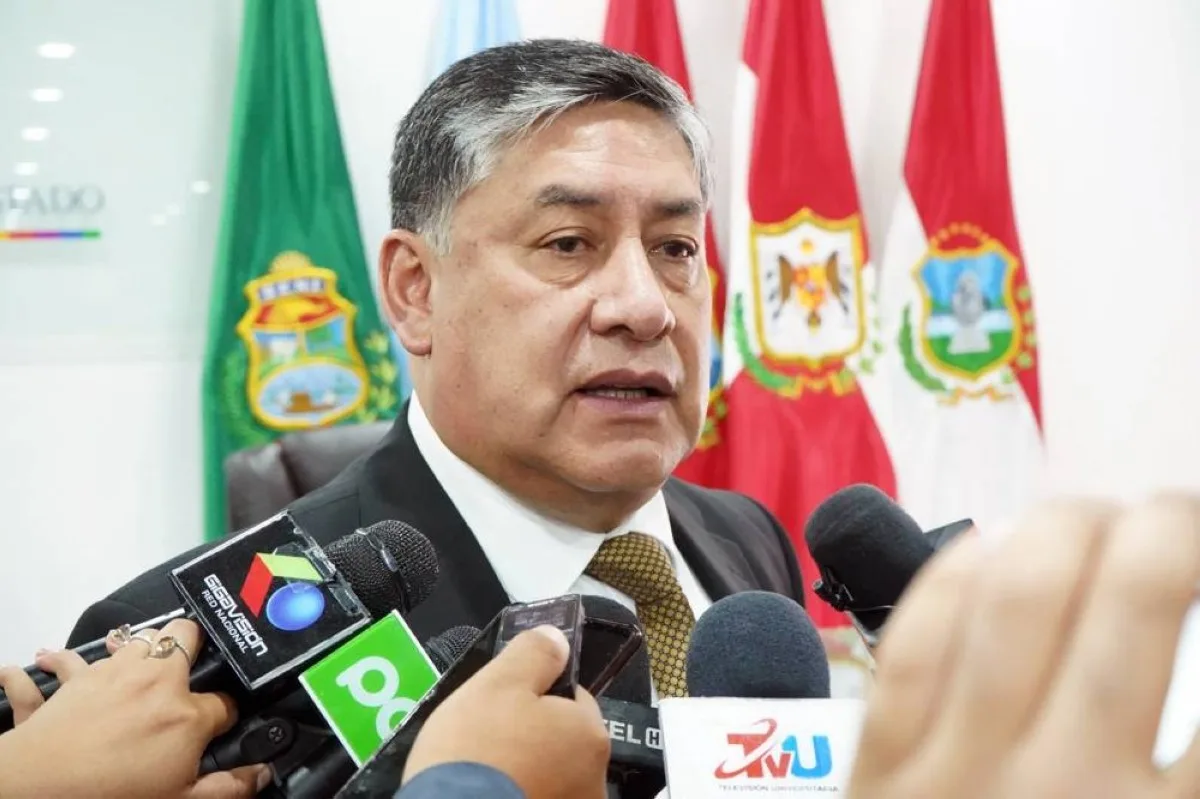
In Bolivia, 40 other individuals have been targeted for visa restrictions due to similar connections to corruption and drug trafficking. These individuals include judges, lawmakers, and Juan Lanchipa Ponce, the former Attorney General. Last month, the United States also revoked visas for about 20 senior Bolivian officials, including Roger Mariaca, the Attorney General, who was recently arrested.
Context and Implications of This Action
Both Colombia and Bolivia are members of the "America's Shield" initiative, established under Donald Trump to combat drug cartels in Latin America. Since Trump's return to power, he has sought to regain U.S. dominance in the region while simultaneously applying pressure on drug trafficking through a controversial and lethal military campaign.
This U.S. action reflects a serious approach to corruption and its impact on political stability in Colombia and Bolivia, and it could affect these countries' relations with the United States. Given the sensitivity of the issue, this action may provoke reciprocal reactions from Colombian and Bolivian officials and impact future efforts for cooperation in drug trafficking combat.
Read more: Taiwan Shut Down Due to Approaching Typhoon Champi · The United States Prepares to Withdraw Some Personnel from Gulf Embassies