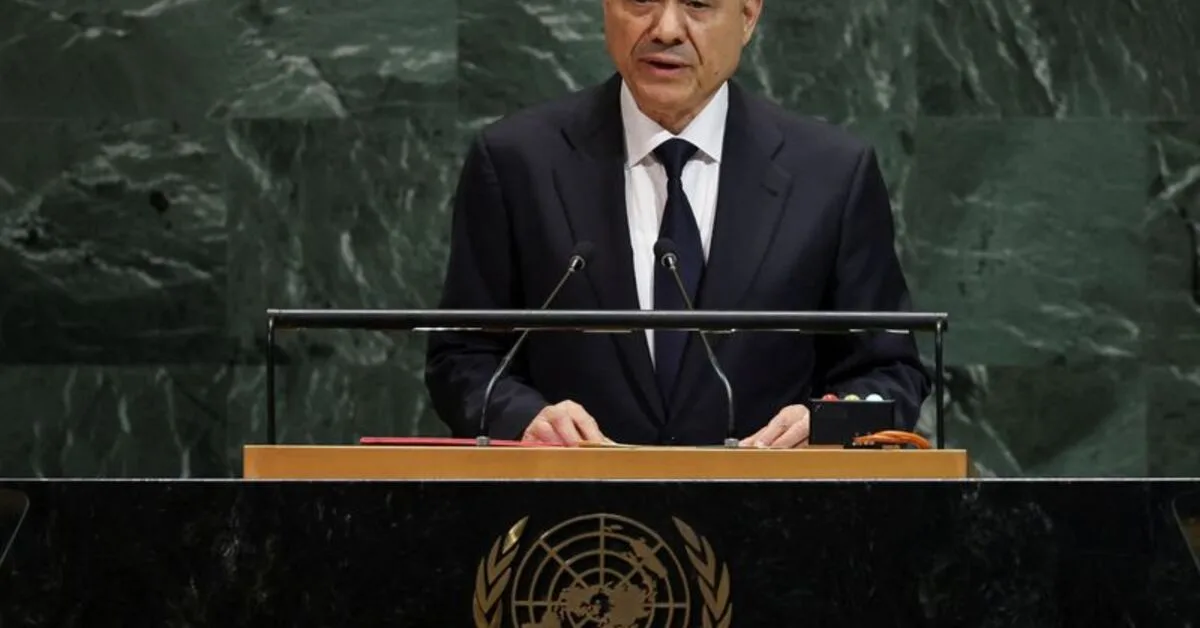
The Yemeni government, backed by the Saudis and led by President Rashad Al-Alimi, announced the start of a large military operation to reclaim all areas under Houthi control. Al-Alimi stated in a televised speech that Yemeni armed forces will continue this operation until the country is freed from the grip of these "terrorist militias."
Background and Current Situation in Yemen
The Houthis, officially known as Ansar Allah, have controlled the Yemeni capital, Sana'a, and large parts of the northwest of the country since 2014. This group has so far managed to withstand consecutive attacks from the Saudis, the Emiratis, and their Western allies, and has upgraded its military capabilities with support from Iran.
Read more: Algeria seeks to revive the death penalty for arsonists
Last month, this group launched a surprise attack that resulted in the capture of the strategic Bab al-Mandab Strait and about 150 kilometers of the Red Sea coastline. This advance has given the Houthis new power in controlling international maritime routes.
Reactions and Consequences of the Military Operation
While the Yemeni government has begun its operations, the Houthis quickly responded by firing missiles and drones at Saudi Aramco facilities in Riyadh and the Khurais region. They claimed that these attacks were in retaliation for 50 air and missile strikes by the Saudis in Yemen over the past 12 hours.
The President of Yemen, Al-Alimi, further stated that the decision to initiate this counter-offensive was made after all avenues for de-escalation had been exhausted. He also thanked Saudi Arabia for its support and called on Yemen's regional and international allies to support the forces and institutions of the Presidential Leadership Council (PLC).
According to regional and Western officials, Saudi Arabia and its Yemeni allies had planned to attack the Houthis, with Saudi Arabia leading the air operations while Yemeni forces engage on the ground. The United States is also currently providing intelligence to support Saudi operations in Yemen.
In recent years, Yemen has been embroiled in a prolonged war involving local armed groups and various factions backed by regional and international actors. Since the Houthis took control of Sana'a following the popular uprising in 2011, the Presidential Leadership Council (PLC), supported by Saudi Arabia, has maintained control over the southern and eastern parts of the country.
Since 2015, Saudi Arabia has entered the Yemeni civil war as the leader of an Arab coalition, but has yet to succeed in defeating the Houthis. A ceasefire reached in 2022 between the warring parties was largely maintained until this year, but tensions have escalated with the onset of Houthi missile and drone attacks on Saudi oil and maritime facilities.
Read more: India's Foreign Minister outlines a strategic roadmap for emerging and middle powers · The dangerous hunger situation in Yemen amid escalating conflicts