The President of the United States, Donald Trump, stated on Sunday that he expects negotiations with Iran to resume next week, while he has rejected the ceasefire proposal put forward by Tehran. Iranian officials presented a plan for a seven-day ceasefire and the reopening of the Strait of Hormuz during the United Nations General Assembly in New York.
Rejection of the Ceasefire Proposal and Speculations About Airstrikes
Trump has rejected this plan and is considering resuming extensive airstrikes against Iranian targets. However, he told the news platform Axios that he expects negotiations to resume. He added, "They want to make a deal, but it's not the deal I want." Trump also stated that this agreement might be similar to one that was possible a year ago.
Read more: Iran Emphasizes Diplomatic Solution After Trump's Rejection of Peace Plan
The President of the United States also said, "They played the upper hand." According to sources familiar with the matter, indirect negotiations between Washington and Tehran may begin soon, likely starting on Monday. On Sunday, Iran continued to emphasize its conditions for reopening the Strait of Hormuz, while the situation in the Gulf remains stalled amid ongoing conflicts in Yemen.
Iran's Conditions for Negotiations
The Strait of Hormuz is a key point for global energy supply and has now become the center of dispute between Washington and Tehran. This dispute began nearly seven months ago when the United States and Israel launched a wave of attacks against Iran. Iran's plan includes stopping all hostilities in the Middle East, including in Lebanon, and returning to the conditions of the previous ceasefire agreement that was disrupted.
This agreement, which was disrupted during the recent conflicts in Hormuz, included the release of frozen Iranian assets, the lifting of oil sanctions, and the end of the U.S. naval blockade. Abbas Araghchi, Iran's Foreign Minister, stated, "Our conditions are clear, and any move towards reopening the Strait of Hormuz depends on these conditions. We will not back down from them." Araghchi also emphasized that Iran has never closed the doors to diplomacy.
Meanwhile, Mike Walts, the U.S. Ambassador to the United Nations, accused Tehran of making excessive demands in exchange for returning to the negotiating table. He said, "This was a relatively pessimistic attempt to put something on the table that they knew was unacceptable. The request for lifting the blockade, sanctions, and access to billions in assets just to talk doesn't seem reasonable."
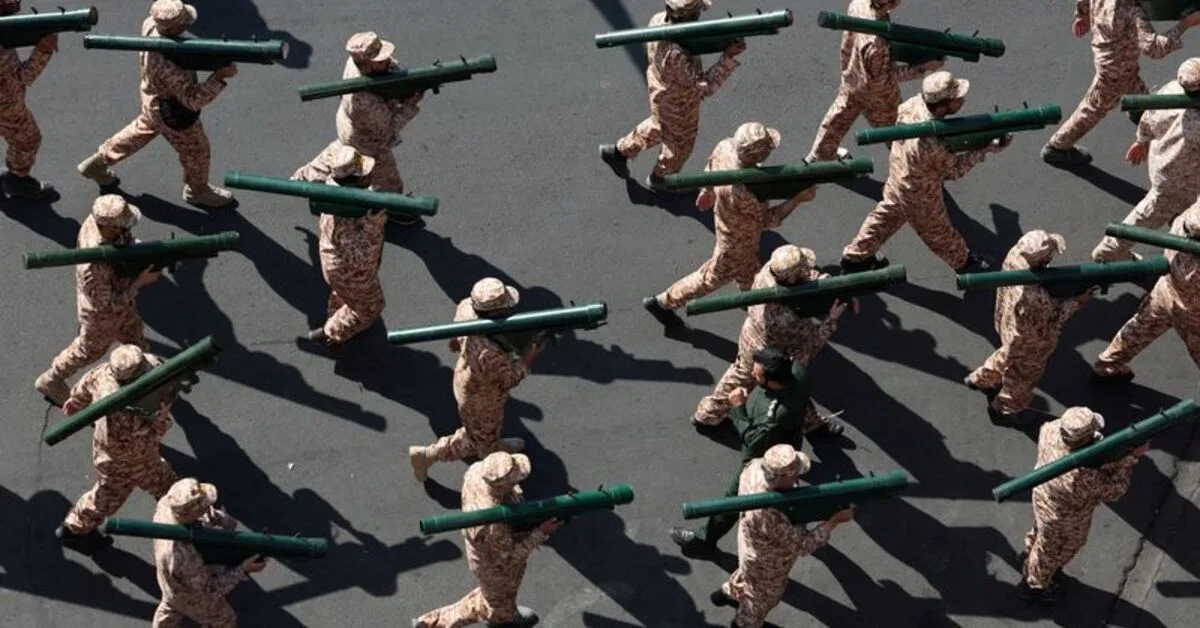
The Islamic Revolutionary Guard Corps of Iran also announced that they captured an American underwater drone in the Strait of Hormuz on Sunday. They stated that this underwater device was being used for "espionage purposes" and is now in the hands of their specialists for data recovery.
Iran and Washington signed a memorandum of understanding in June to end the war, reopen the Strait, and begin negotiations over Iran's nuclear program. However, this agreement quickly fell apart when Iran fired at commercial ships in Hormuz that were accused of deviating from their authorized routes. Iran demands that ships obtain permission before passing through the strait, and vessels that do not comply with this order are regularly targeted.
Araghchi stated at the United Nations General Assembly that Iran has presented a specific seven-day plan to the United States through Qatar and added, "The choice now depends on the United States." Hossein Mohebi, a spokesperson for the Revolutionary Guard, announced that "we will not stop punishing the U.S. until Iran's seven conditions are met." Mohebi also stated in an exclusive interview with AFP that ending hostilities in Yemen is also part of Tehran's demands.
Read more: Iran Warned About Flight Bans to Neighbors · Iran's Seven-Day Proposal for the Strait of Hormuz and Diplomatic Conditions