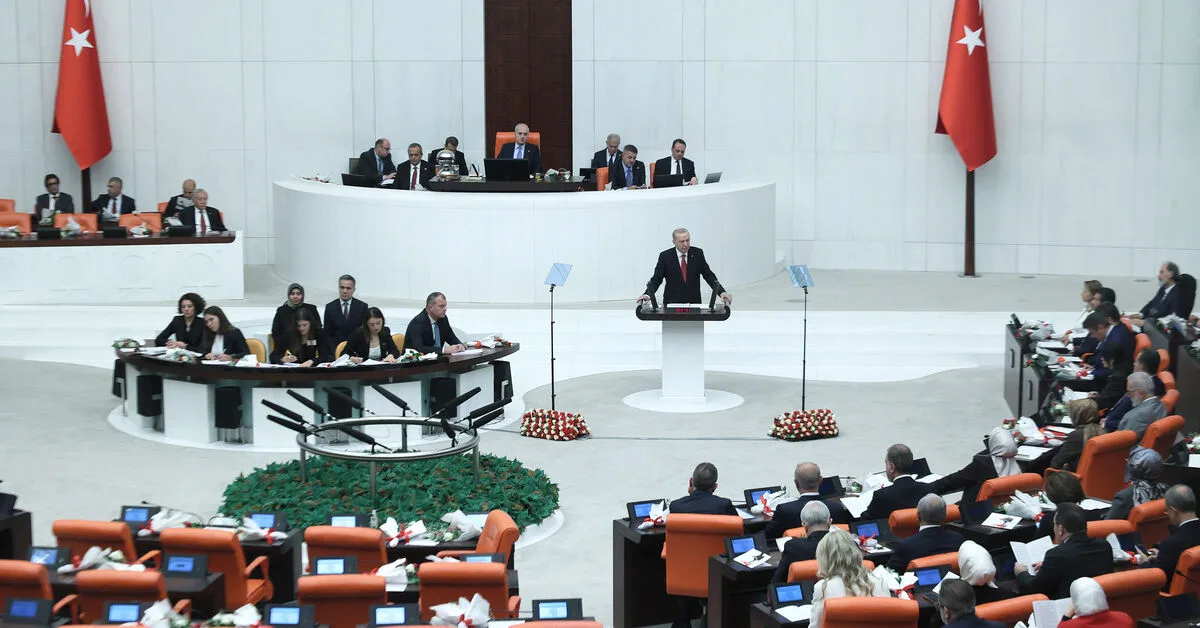
Turkey presented the Mecca defense agreement, signed with Saudi Arabia and Pakistan, to the Parliament of this country on Tuesday. This action comes as Houthi attacks, supported by Iran, have increased against Saudi Arabia.
Details of the agreement and approval process
This agreement was sent to the Turkish Parliament early Tuesday morning. Initially, it will be discussed in the Foreign Affairs Committee of the Turkish Parliament. If approved in this committee, the agreement will go to a full vote in Parliament.
Read more: The Gulf Cooperation Council called for the Houthis to be recognized as terrorists
Currently, the committee has not set a specific date for discussing this agreement, making the exact timing of the full vote in Parliament uncertain. This agreement is expected to be approved in both the committee and the general assembly stages, as the ruling coalition led by Recep Tayyip Erdoğan holds a majority in Parliament.
Security contexts and significance of the agreement
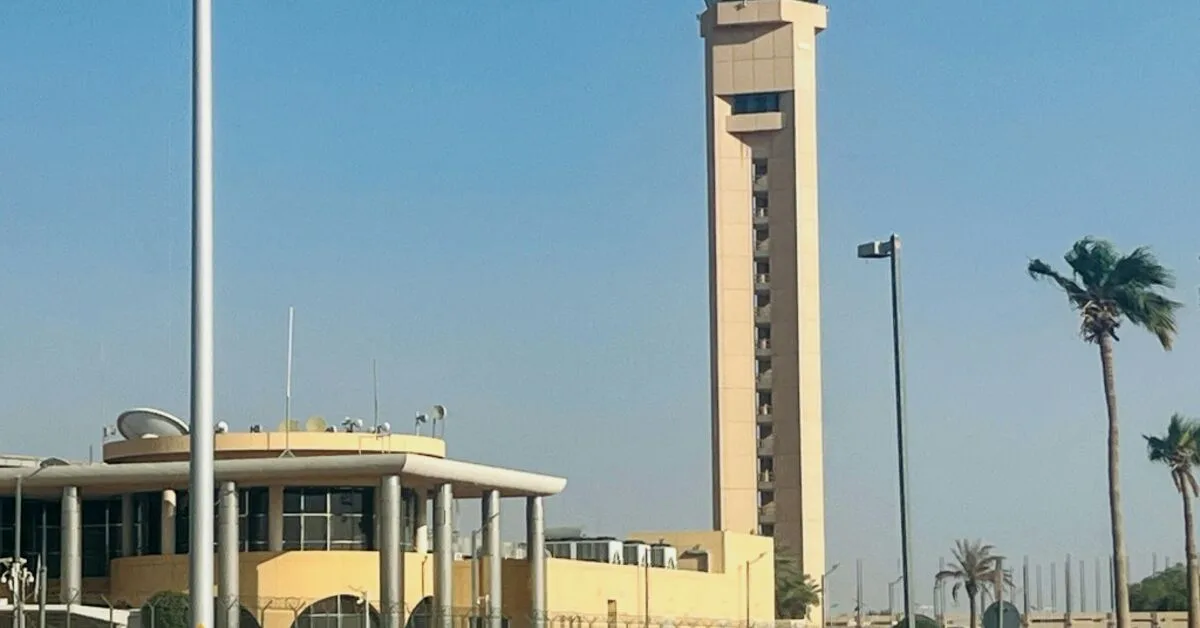
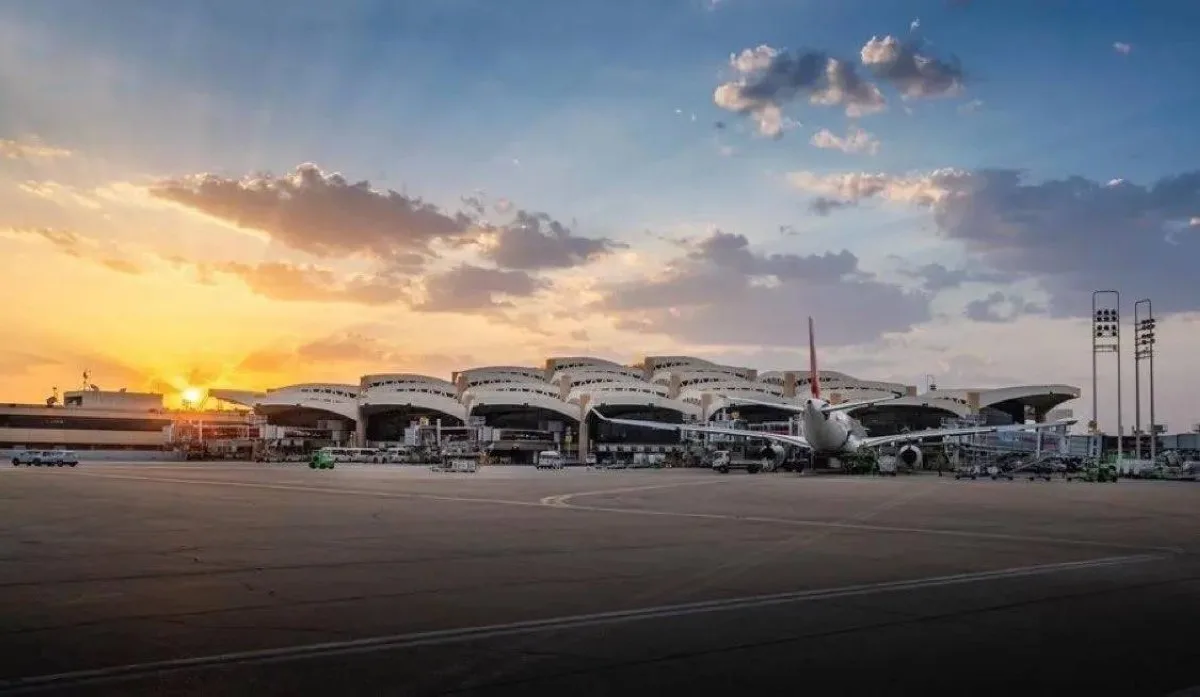
This agreement is being approved at a time when Houthi attacks on Saudi Arabia have intensified. One of the deadliest of these attacks occurred on October 10, when an assault on King Khalid International Airport in Riyadh resulted in the deaths of 12 people and injuries to over 300 others.
On August 7, Turkey, Saudi Arabia, and Pakistan signed an agreement stating that any attack on one of the members would be considered an attack on all members. The escalation of Houthi attacks since early October has brought renewed attention to this agreement and encouraged the three countries to make greater efforts to implement it.
After emergency talks in Riyadh on October 5, the foreign and defense ministers of the three countries, along with the chiefs of staff, agreed to take "necessary measures to secure the agreed forces and military capabilities and ensure their rapid deployment in the kingdom.
Approval of this agreement could pave the way for the deployment of Turkish forces in Saudi Arabia. However, any Turkish military deployment is likely to be limited to training, advisory services, and support for military equipment, rather than the deployment of a large military contingent, according to Turkish officials.
Hakan Fidan, Turkey's foreign minister, stated on October 8 that Turkey's support would be defensive and in line with the agreement. He emphasized: "Turkey will not send forces to attack the territory of another country," referring to Yemen.
Read more: Emmanuel Macron's trip to the Gulf after the unrest in France · The Gulf Cooperation Council called for compensation from the Islamic Republic