Salah Sarsour, the head of Wisconsin's largest mosque and a permanent resident of the United States, may be deported from the country following a ruling by an immigration judge. This ruling was issued on September 30, 2023, based on a law from the Cold War era.
Details of the Immigration Judge's Ruling
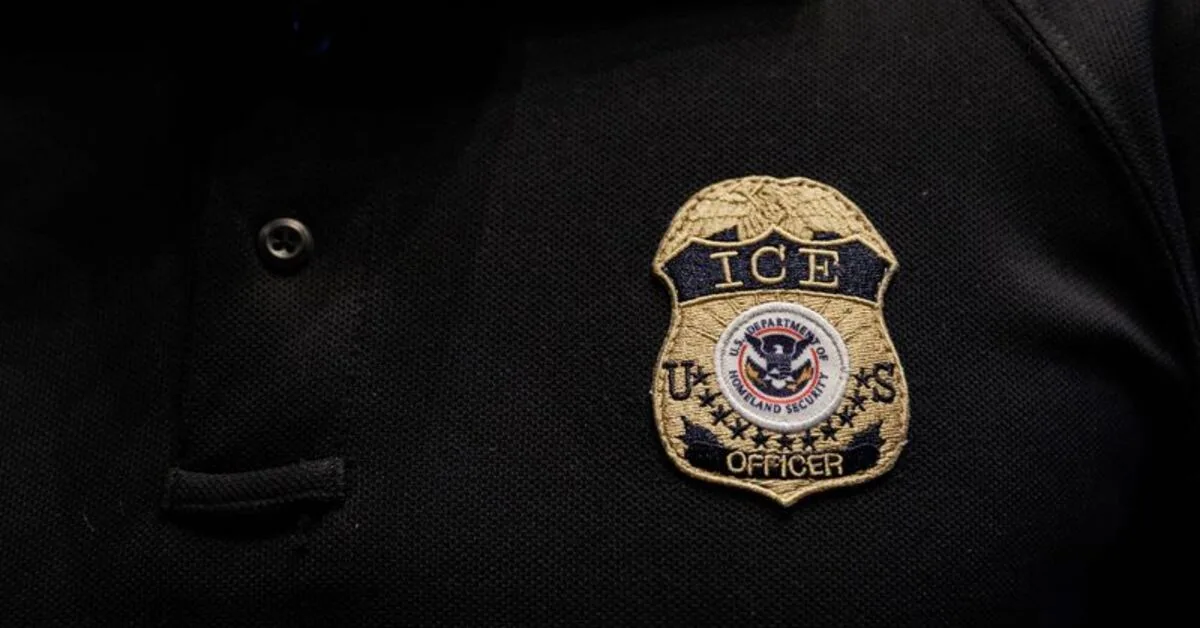
The immigration judge in Chicago, Jamie Salinardi, ruled in favor of the government, stating that Salah Sarsour is considered a threat to national security and U.S. foreign policy. This ruling comes despite the government's claim that Sarsour lied in his green card application being dismissed. Sarsour, who grew up in the Israeli-occupied West Bank, was detained by U.S. Immigration and Customs Enforcement (ICE) in late March and released in mid-June. His release followed a federal judge's declaration that he had raised a significant claim regarding a violation of his freedom of speech.
Read more: Netanyahu praised the Indian pilot of Fly Dubai
Legal Consequences and Reactions
Salah Sarsour's legal team has announced that they will appeal this ruling in court. Sarsour has lived in the United States for over three decades, and the Milwaukee Islamic Center, where he serves as president, believes he is being targeted due to his Palestinian and Muslim background, as well as his activism for Palestinian rights.
Sarsour's legal team has also noted that he suffers from type 2 diabetes and lost over 30 pounds during his detention. Sarsour has no criminal record in the United States and was only convicted as a teenager in an Israeli military court. The Trump administration cited this conviction to label him a threat to national security, while Sarsour has denied these allegations, claiming he was coerced into previous confessions under torture and pressure.
Human rights organizations, including the group B'Tselem, have criticized the Israeli military judicial system, pointing out that these courts have a 96 percent conviction rate and use torture methods to obtain confessions. This raises global concerns about human rights and justice in occupied territories.
Read more: Saudi Arabia rejected Israel's request to transfer passengers · Powerful storm in the United States caused flight cancellations and power outages