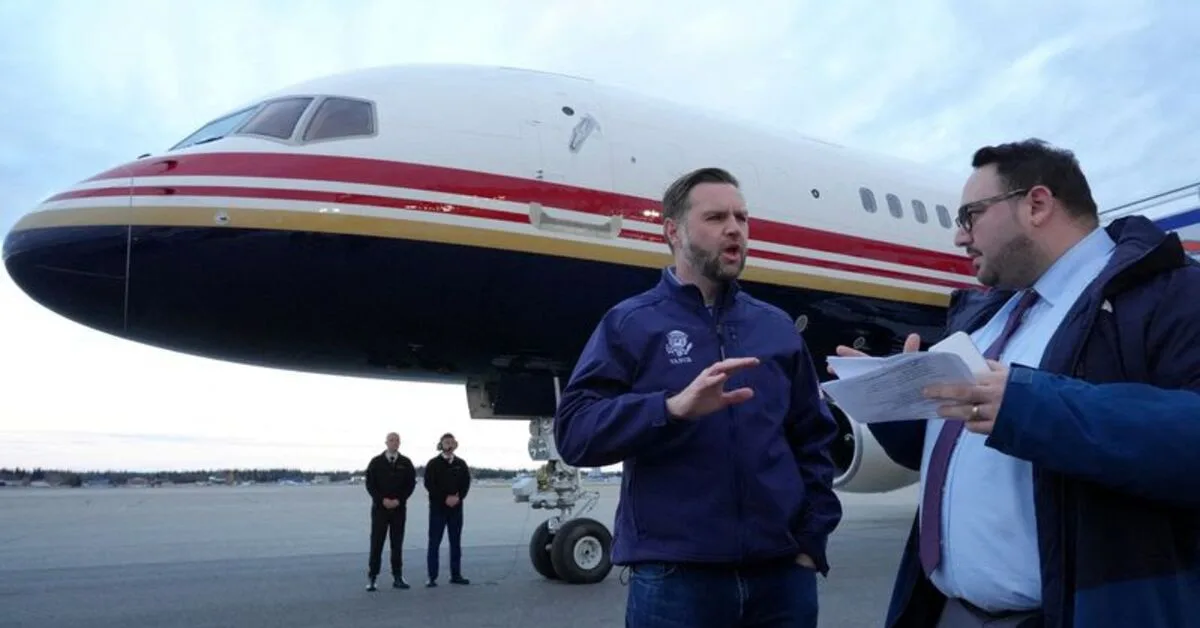
JD Vance, the Vice President of the United States, in an exclusive interview, emphasized the necessity of a significant reduction in Iran's nuclear enrichment capacity, stating that this action could help end the war that has lasted for seven months. He also referred to Washington's uncertainty regarding Iran's decision-making in negotiations.
Vance's Key Role in Peace Negotiations
Vance, who has consistently criticized U.S. military interventions abroad, has recently played a key role in negotiations to achieve a peace agreement. Last September, he managed to negotiate a temporary peace agreement between the parties, which quickly fell apart. This war has not only affected global energy markets but has also become a political dilemma for Donald Trump, the President of the United States, and the Republicans.
Read more: Emphasis on Expanding Economic and Maritime Relations between Iran and Yemen
Requirements of the Agreement and Iran's Position
In his remarks, Vance emphasized that any agreement would require a reduction in Iran's nuclear enrichment capacity, not just assurances for future reductions. He stated, "If you do not want a nuclear weapon, then why do you need fuel enriched to 60 percent?" These statements clearly reflect the U.S.'s hardline stance in the negotiations.
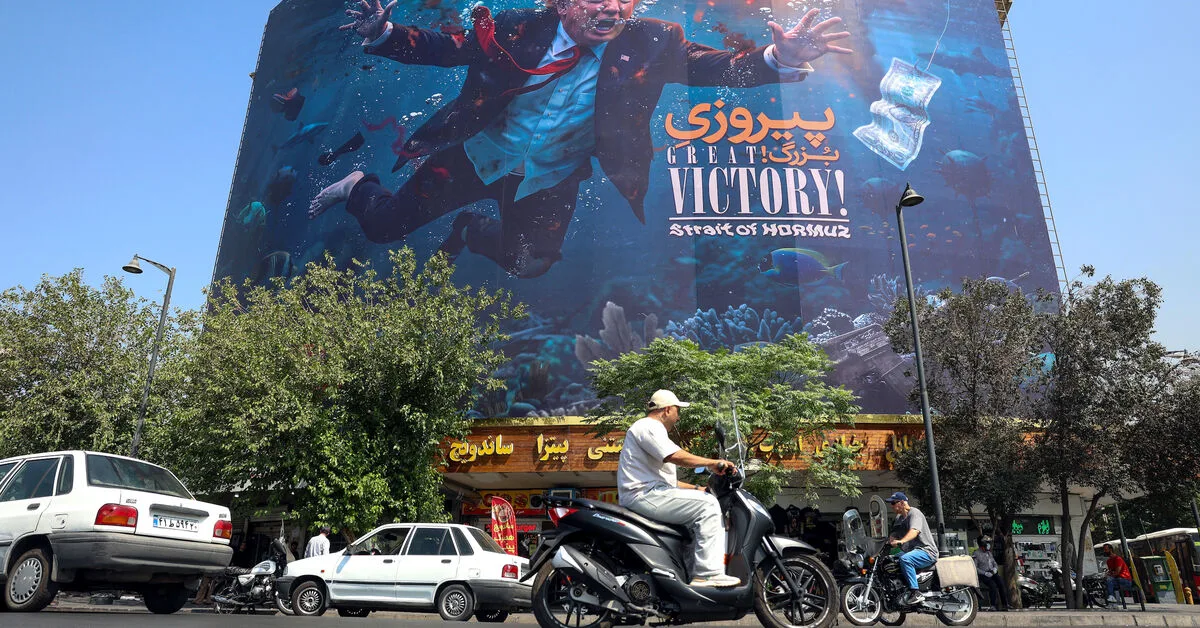
In recent weeks, Iran and the United States have exchanged several proposals to end the war and reopen the Strait of Hormuz, which is one of the vital routes for global energy transportation. Trump recently rejected Iran's new proposal and warned that military operations may escalate after the midterm elections.
Vance added that the United States is still open to an agreement but needs real concessions from Iran regarding its nuclear program. He said, "We will not just exchange words for actions." These statements clearly point to the existing challenges in the negotiations and the prevailing political uncertainties.
Decision-Making Challenges in Iran
Vance also pointed to the lack of clarity regarding how decisions are made in Iran. He said, "One of the things we realized is that it is not entirely clear how their country makes decisions." Separately, Trump also stated that his biggest problem is that no one knows who is making decisions in Iran.
The spokesperson for the Iranian Foreign Ministry, Ismail Baqeri, said at a press conference that U.S. officials are well aware of the identity of their Iranian counterparts and how Iran's decision-making system works, stating, "The problem is actually the opposite: it lies in the contradictory positions and ambiguous messages from U.S. officials."
Vance also referred to his personal discussions with field commanders to assess the battlefield conditions. He dismissed concerns about a shortage of critical munitions and added that while Iranian forces are occasionally capable of attacking commercial vessels in the Strait of Hormuz, they are generally unable to prevent energy exports from this waterway.
Economic Consequences of the War
This war and its monthly cost of $3 billion have become a key issue in the election campaigns. Rising energy prices have put pressure on Trump and the Republicans in competitive states. Vance has sought to mitigate criticisms of Trump's management of this conflict and has told voters not to let this issue prevent their support for Republicans in the upcoming elections.
Read more: Iran Emphasizes the Lack of a Military Solution for the Middle East War · Ismail Baqeri: Iran is Utilizing Diplomatic Opportunities for the Security of Hormuz