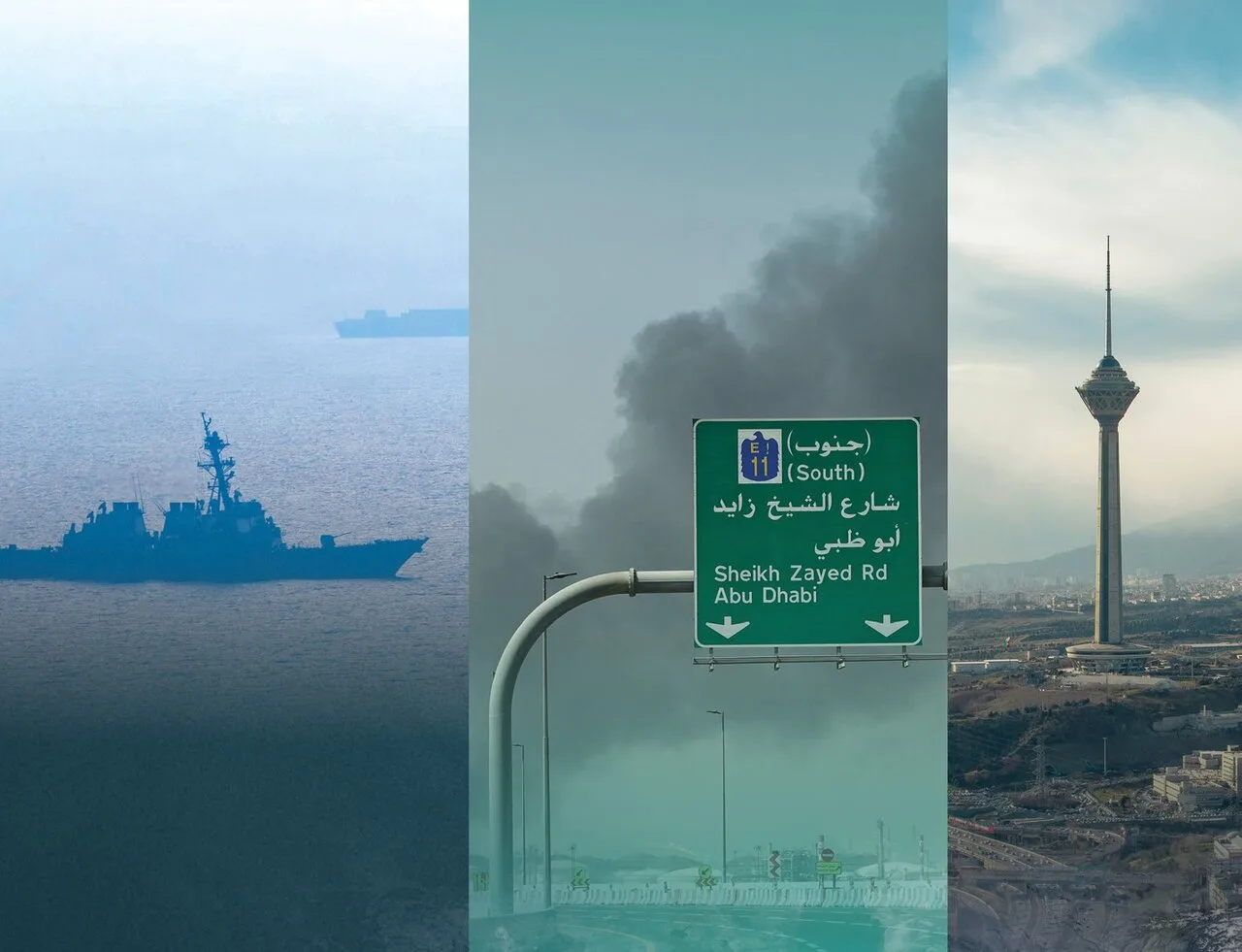
Karen E. Young, a senior researcher at the Middle East Institute (MEI), warned the Arab Gulf countries in a report that even if the war ends and stability returns to the Strait of Hormuz, these countries will face heavy long-term costs for rebuilding infrastructure, strengthening military capabilities, and reducing dependence on vulnerable export routes. These costs could limit their economic growth and alter the economic balance of the region for years.
Security and Economic Uncertainty Awaiting Gulf Countries
Young pointed out that the Arab Gulf countries should prepare themselves for a long period of security and economic uncertainty, adding: "Even if negotiations lead to a sustainable ceasefire and Iran gradually returns to regional markets, a return to pre-war conditions is unlikely. Regional governments will have to allocate more resources to security and economic resilience."
Read more: The Gulf Cooperation Council Calls for Houthis to be Designated as Terrorists
This researcher also referred to the changing strategy of Gulf countries, stating: "The strategy of these countries is gradually shifting from a reliance solely on military deterrence to a combination of defensive strengthening, diplomatic engagement, economic investment, and adaptation to regional realities. This approach does not mean reconciliation with Iran, but rather reflects the acceptance of the reality that eliminating Iran's capacity to disrupt is not possible without incurring heavy political and economic costs."
Increased Defense Costs and Economic Consequences
According to this report, one of the most significant consequences of the war will be the increase in defense costs for the countries in the region. For example, Saudi Arabia is expected to spend about $83 billion on military affairs in 2025; an amount equivalent to 6.5% of the country's GDP and about 3% of global military spending. Similarly, Kuwait will spend $8 billion in the same year, equivalent to 4.7% of its GDP, on military affairs.
Estimates suggest that military spending by the member states of the Gulf Cooperation Council may increase by up to 20% following the war. These costs will include not only the development of air and missile defense but also the fortification of airports, ports, pipelines, oil tanks, and data centers.
The Strait of Hormuz and the vulnerability of energy exports are among the most important focal points of this report. Kuwait's crude oil production decreased by 78% from February to May, and Bahrain's production fell by 73%. Saudi Arabia also faced a drop in production from 10.1 million barrels per day to 6.9 million barrels. Qatar's vulnerability due to its heavy reliance on liquefied natural gas (LNG) exports is also noteworthy.
Ultimately, Young emphasizes that even with a complete recovery of oil production, the combination of uncertain oil revenues and higher security costs will create more challenging financial conditions for Gulf countries. These changes could limit the necessary resources for development and public investment.
Read more: Kuwait Red Crescent's Commitment to Expanding Humanitarian Cooperation with Kuwait Oil Company · The Opera of 'Mothers of Kherson' as Narrated by Ukrainian Mothers During the War