Protests in Syria have emerged following a 40% increase in fuel prices, marking the largest social upheaval in the country since the fall of Bashar al-Assad. Last week, the Syrian government raised the price of diesel to 175 Syrian pounds (equivalent to $1.32), which quickly sparked public reactions.
Reasons and Dimensions of the Protests
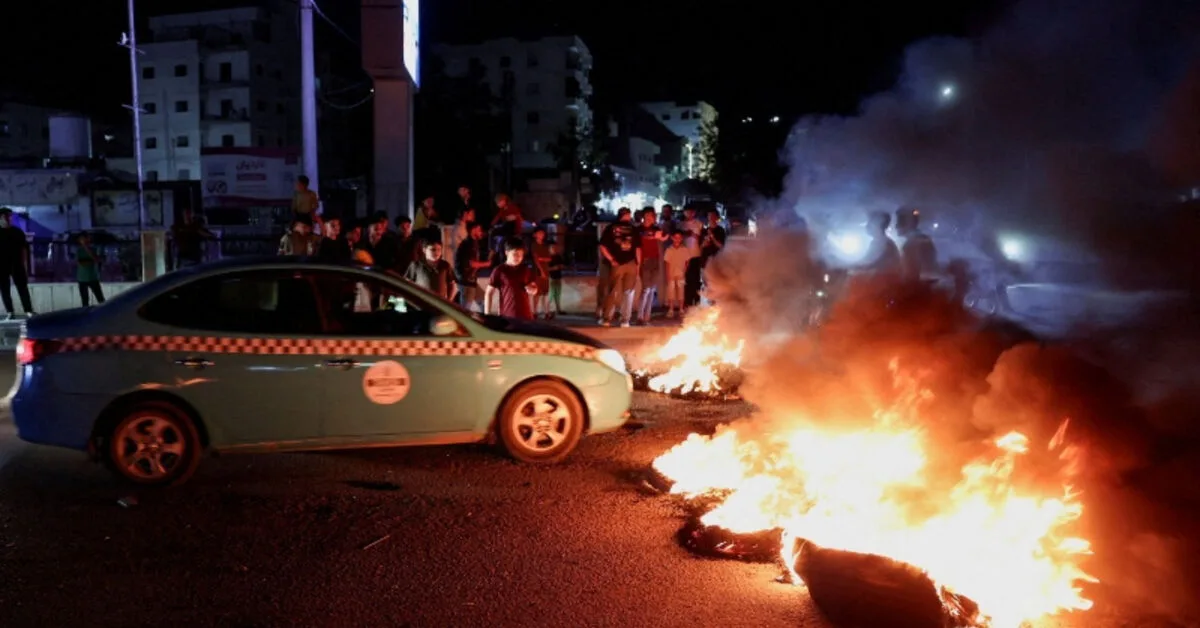
Protesters in various cities across Syria have expressed their discontent with the price hikes by burning tires and blocking roads, particularly the route connecting Damascus to Aleppo. This increase in fuel prices has not only added to the existing economic pressure but has also escalated social grievances to a new level. This is the first time in the past two years, after the fall of Bashar al-Assad, that protests of this scale and intensity have taken place in Syria.
Read more: Global Management in the Hands of Narendra Modi: The BRICS Summit in New Delhi
Economic and Social Consequences
The increase in fuel prices in Syria could have serious repercussions on people's lives. Many families, already facing difficult economic conditions, will encounter even more challenges due to these price hikes. On the other hand, these protests could lead to further unrest and may provoke stronger reactions from the government.
In light of these developments, international observers have expressed concern over the situation in Syria and emphasized the need to address the humanitarian and economic needs of the people. It seems that these protests are interpreted not only as a reaction to the increase in fuel prices but also as a sign of public discontent and dissatisfaction with the current situation.
Read more: Xi Jinping Calls for a Peacekeeping Role for BRICS in the Middle East Conflict · Oman Strongly Condemns the Targeting of the East-West Pipeline