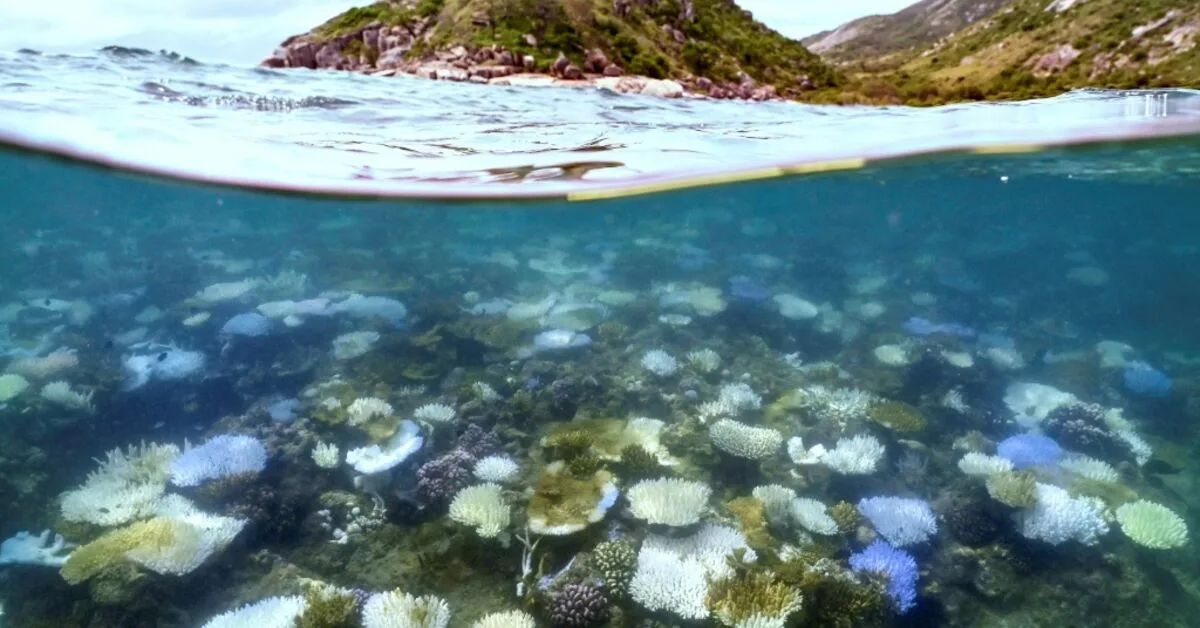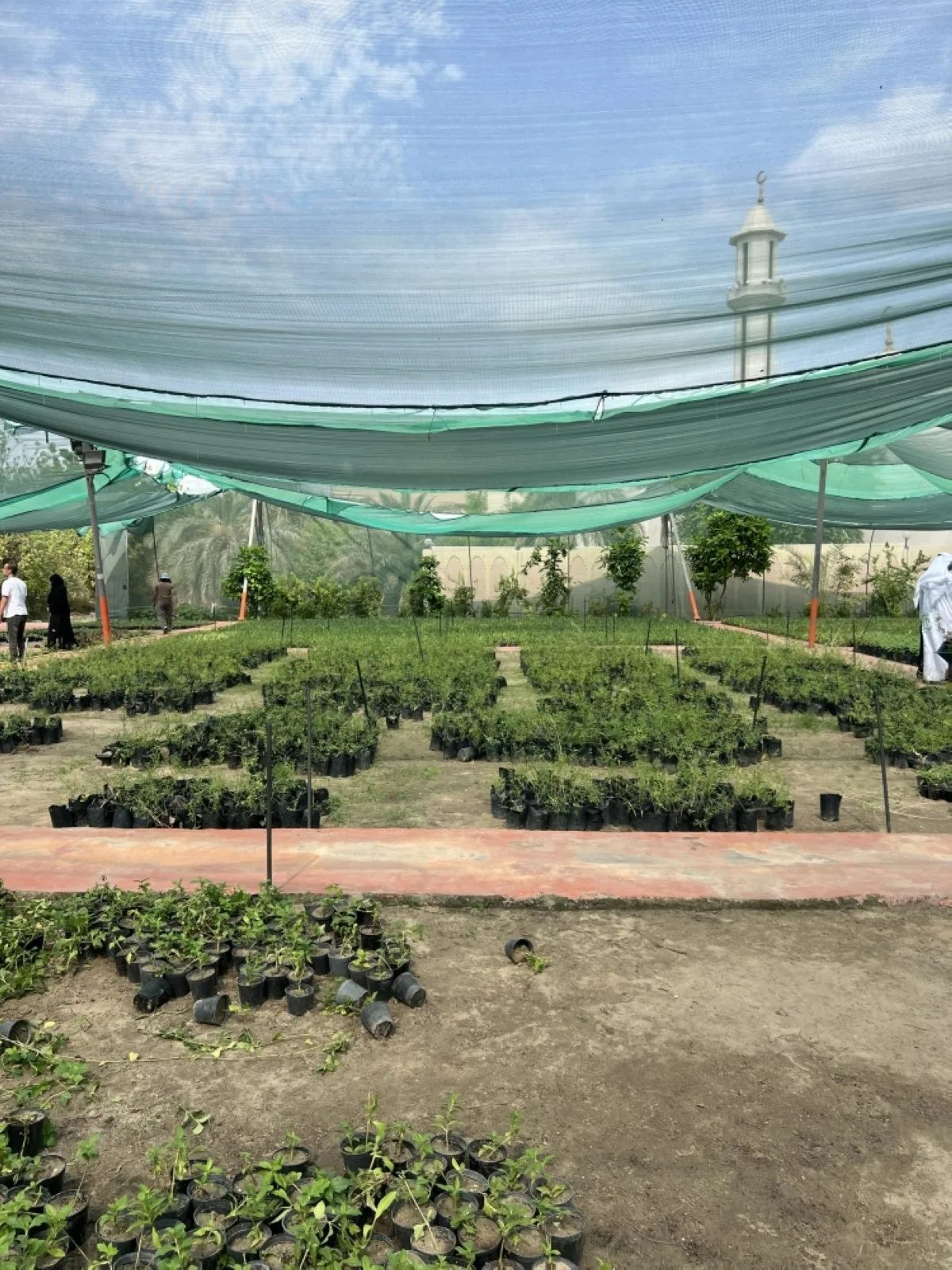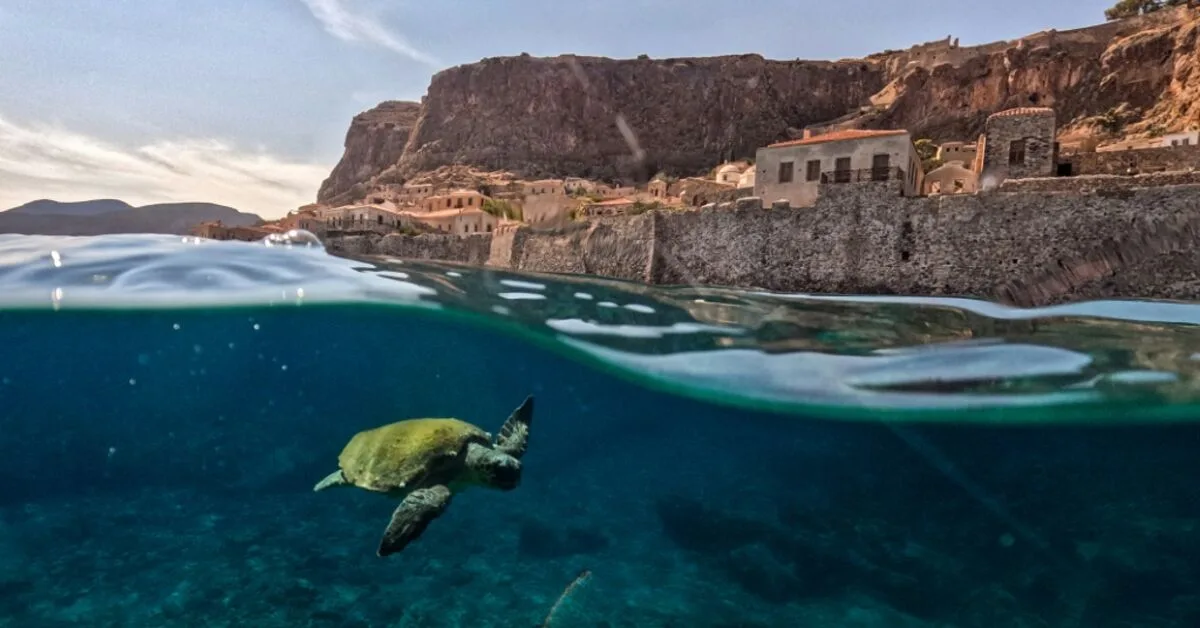
The UN Biodiversity Conference (COP17), which will be held on October 19, 2023, in Yerevan, is recognized as an important opportunity to assess progress and challenges in achieving global environmental protection goals. This conference aims to halt and reverse the loss of biodiversity by 2030, setting 23 specific targets including reducing pollution, protecting threatened species, and conserving 30% of the world's lands and oceans.
Challenges and Unmet Goals
However, according to a report from the UN Convention on Biological Diversity, the world is failing to meet these goals. Ann Lembricks, a representative of Greenpeace International, emphasized the importance of this conference, stating that the main outcome of the Yerevan conference should be a clear course correction. She stressed that governments must move beyond merely reiterating promises and agree on specific actions.
Read more: Enhancing Environmental Cooperation Between Algeria and Oman
Astrid Schomaker, Executive Director of the UN Convention on Biological Diversity, has announced that progress is being made and the 2030 goals are still achievable, but only with meaningful changes. These changes include reducing incentives for politically sensitive industries such as agriculture and fossil fuel production, where governments have made little progress so far.
Pressure on Wealthy Countries and the Role of the Private Sector
At this conference, around 10 presidents are expected to participate to initiate negotiations and encourage negotiators to adopt ambitious and constructive approaches in Yerevan. The biodiversity conference takes place just weeks before the annual climate change negotiations (COP31) in Turkey, marking the first time countries will assess progress since the adoption of the biodiversity agreement.
One of the main barriers to achieving biodiversity goals is the lack of financial resources. Countries are significantly lagging in fulfilling their promise to raise $200 billion annually for biodiversity protection by 2030. These resources must come from both public and private sources, with $30 billion per year specifically allocated to developing countries.
Wealthy countries are under pressure to address this shortfall but face their own budgetary challenges. Except for the United States, which has not joined the Convention on Biological Diversity, is not participating in these negotiations.
The Need to Reform Incentives and Support the Environment
The focus of the Yerevan conference will be on how the private sector can compensate for financial shortfalls. The poor performance of the Cali Fund, a significant UN initiative aimed at raising $1 billion annually from companies for conservation in developing countries, will be closely scrutinized. Established in February 2025, this fund has so far attracted only $6,000.
In October, over 130 businesses and financial institutions, including Nestle and H&M Group, have urged governments to reform incentives and pointed to the $2.6 trillion annual public spending that contributes to soil, water, and ecosystem degradation.
According to Guido Broekhoven from WWF International, reforming incentives should be a priority at COP17. Ann Lembricks also stated that at a time when geopolitical tensions are putting multilateral cooperation under pressure, it is crucial for decision-makers to demonstrate that they can still unite in the fight for life on Earth.
Read more: End of the Season for Catching Kanad Fish in Oman · The Sultanate of Oman Emphasized the Importance of Sustainable Pasture Management on Arab Agriculture Day